

















Port concessions and investment responsibilities
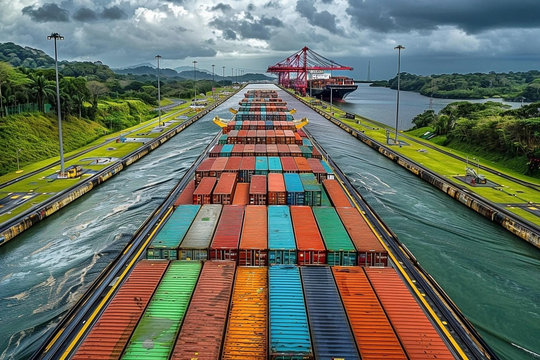
Granting a business the right to operate a port can mobilize capital and operational expertise. The outcome depends on identifying who invests, who maintains the assets and who is accountable when infrastructure deteriorates or services are interrupted. A sound agreement connects operating rights with specific obligations and protects customers' ability to use the port throughout the operating term.
  • Steel Coils and Quality Preservation During Transport
    Steel coils can arrive at the correct total weight yet fail to meet the intended use when edges are deformed, surfaces are scratched or corrosion appears. Quality preservation needs to begin before loading and continue through each transfer. Steel producers and transport providers need to connect product information, the transport arrangement and condition records into a process that can be checked.
  • Measuring shipment emissions across the transport chain
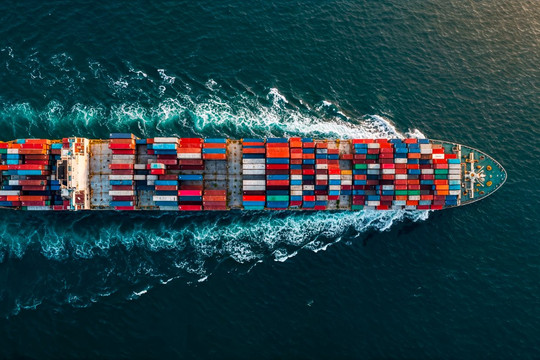
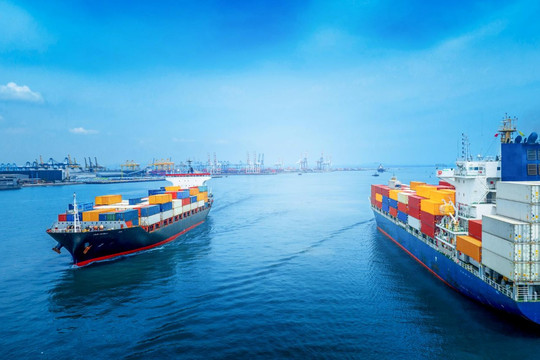
    A shipment may move through trucks, ports, vessels and several transfer points before reaching its consignee. Quantifying the emissions associated with that journey requires an agreed boundary, suitable data and a clear allocation approach. A useful result should explain how it was calculated. That transparency allows customers to compare transport options and helps operators identify where better information or operational changes would have the greatest value.
  • Prefabricated Housing and Delivery in Construction Sequence
    Prefabricated housing moves part of construction from the site to the factory, but installation progress still depends on how components are delivered. Correct quantities cannot sustain work when an item needed first arrives later, or when the site is unprepared to receive it. For residential projects, transport planning should start from the approved erection sequence, connecting production schedules with unloading capacity and the installation position of each component.
  • Managing Returns in Domestic E-commerce
    A returned parcel is not a closed case. The customer’s request still needs a decision, while each item needs an authorized destination and an accurate stock status. When parcels reach a warehouse but wait unexamined, both merchandise and money remain tied up between processes. For domestic e-commerce, returns should be designed as part of normal operations, with clear ownership from the initial request to the final inventory and financial entries.
Mới nhất
POWERED BY ONECMS - A PRODUCT OF NEKO