
Seeing a movement is not the same as managing it
Digital maps, vehicle applications and transport management systems produce more updates than ever before. But a higher volume of status messages does not necessarily lead to better service. A consignment may remain marked “in transit” after missing its booked delivery window, while a container can be physically near a terminal yet unavailable for collection. The important question is not whether data exists, but whether someone can interpret it and act.
Three layers should be separated. Observation records an event. Interpretation tests whether that event departs from plan or breaches a relevant threshold. Action assigns responsibility, a response deadline and evidence of closure. A company can have a sophisticated dashboard but still depend on phone calls when the last two layers are missing.
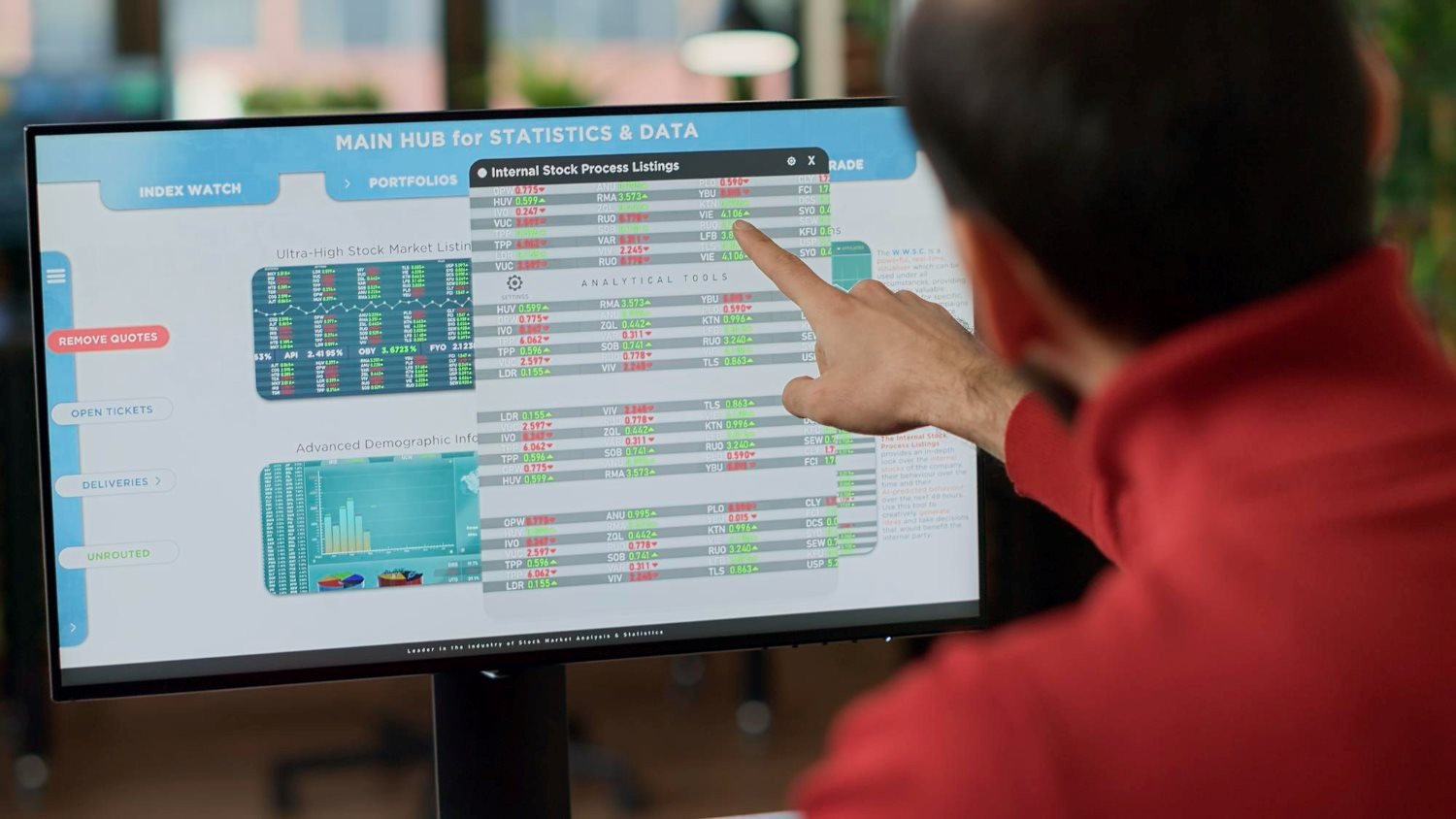
Thresholds must reflect the delivery promise. A twenty-minute delay may be harmless at a flexible receiving location, while a ten-minute delay could cause a missed slot at a tightly scheduled warehouse. A single “late” rule across all routes therefore risks creating noise rather than better decisions.
Context makes events trustworthy
An actionable event should identify the object, the time, the location and the business step involved. GS1’s EPCIS standard describes such dimensions for supply-chain visibility and interoperable event sharing. It is a helpful model for designing a common data language, not a claim that every business must adopt the complete standard to benefit from better processes.
For road freight, a minimum event set could include the order identifier, vehicle, booking time, arrival, unloading start, proof of receipt and exception code. Multi-stop distribution should retain a history of ETA revisions and customer notifications. Where goods are sensitive, condition data and an accountable verifier may also be relevant. Consistent identifiers and timestamps matter more than the number of screens.
A final “delivered” status cannot explain whether the correct quantity arrived at the correct location, whether damage was recorded, or whether a discrepancy remains unresolved. Keeping the event history is essential to find recurring causes instead of simply celebrating a green final status.

Close the loop, not just the alert
Every meaningful exception needs a trigger, a recipient, a decision authority and a closure rule. If a truck is likely to miss a delivery window, dispatch should confirm why; customer service should communicate a revised plan; the receiving site may need to adjust its booking; and the responsible owner should record the resolution. Changing a dashboard indicator is not a substitute for this work.
Measure time to detection, response time, the share of exceptions resolved within the agreed window, repeat incidents and avoidable costs. Review results by exception category. An excessive alert volume creates fatigue, while overly permissive thresholds hide real problems. Piloting one route or customer segment can help tune the process before expansion.
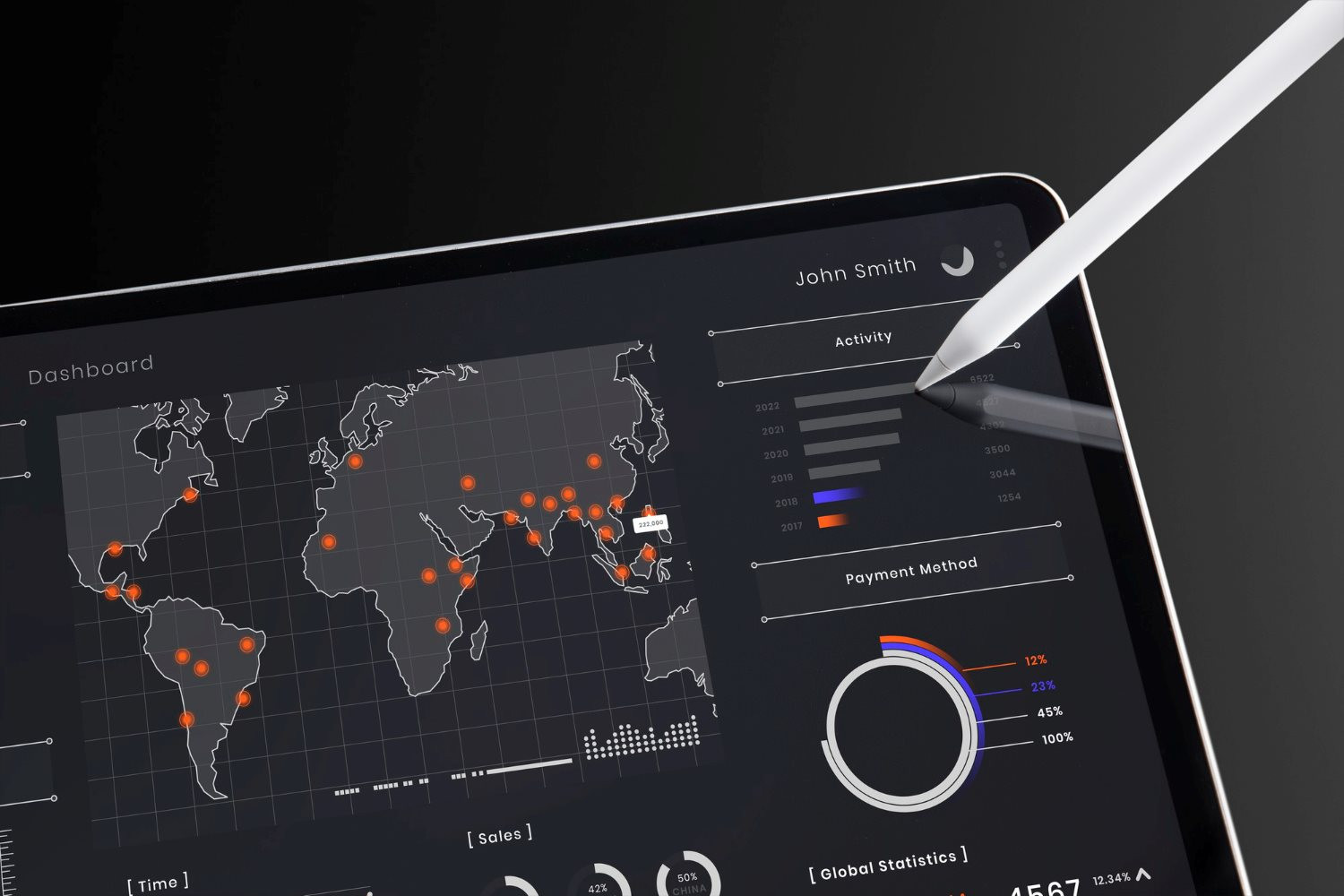
The real promise of logistics digitalisation is not the ability to watch every moving dot. It is the ability to maintain reliable service when the plan changes. Once data is linked to ownership and action, each exception becomes both an immediate service task and a source of operational learning.