The word 'battery' is no longer enough for classification
The 2026 IATA DGR separates major battery families clearly. Lithium metal uses UN 3090/3091, lithium-ion uses UN 3480/3481 and sodium-ion with organic electrolyte uses UN 3551/3552. Battery-powered vehicles have separate entries including UN 3556 for lithium-ion, UN 3557 for lithium metal and UN 3558 for sodium-ion.
Configuration matters as much as chemistry. A battery shipped alone, packed with equipment or contained in equipment follows different packing instructions and limits. A power bank is classified as a battery. A charging case without the device it powers may be UN 3480 rather than UN 3481, changing the entire transport pathway.

UN 38.3 remains the technical baseline. Manufacturers and subsequent distributors must make the relevant test summary available for most cells, batteries and battery-powered equipment after the applicable dates. Forwarders are not test laboratories, but they need a control confirming the shipment is covered by the appropriate test regime.
Sodium-ion illustrates how the rulebook is expanding. IATA introduced dedicated sodium-ion entries in 2025, while UN Model Regulations Rev.24 added provisions for hybrid batteries containing lithium-ion and sodium-ion cells. Technology is therefore creating new classification paths faster than many legacy logistics workflows can absorb.
The 2027 IATA Battery Shipping Regulations formally introduce hybrid-battery provisions and revise packing instructions, especially for sodium-ion and prototype batteries. Classification must therefore be version-controlled; a shipment compliant under one edition should not automatically be assumed compliant under the next.
State of charge is now a logistics parameter
One of the most important 2026 changes concerns state of charge. From 1 January 2026, lithium-ion cells and batteries packed with equipment under PI 966 Section I must be offered for transport at no more than 30% of rated capacity. For Section II, cells and batteries above 2.7 Wh are also subject to the 30% limit unless the more restrictive approval pathway is followed.
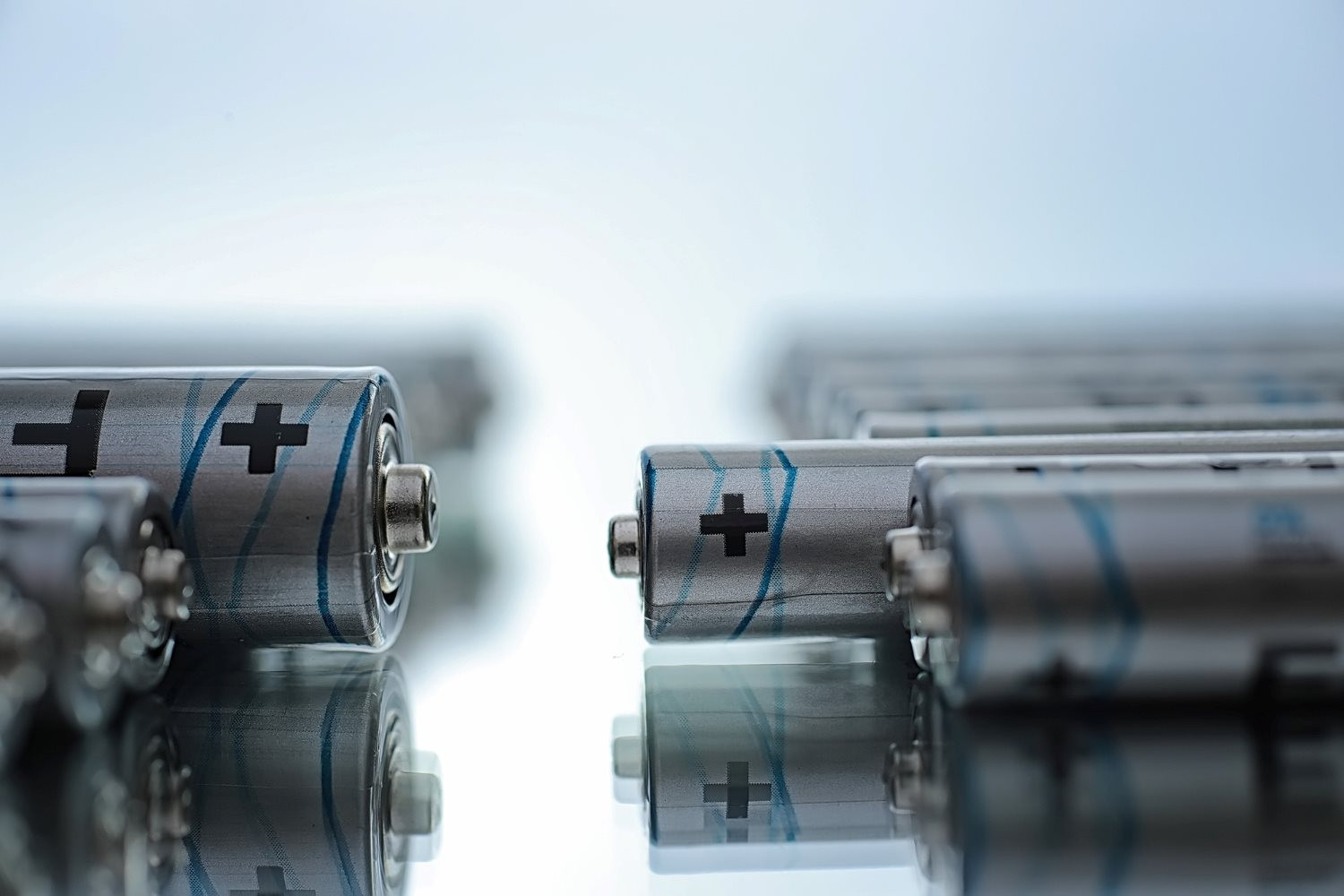
For UN 3480 lithium-ion batteries shipped by themselves and UN 3551 sodium-ion batteries shipped by themselves, air transport requires a state of charge not exceeding 30%. Both are forbidden as cargo on passenger aircraft and must carry a Cargo Aircraft Only label. State of charge has therefore become a transport acceptance criterion rather than merely an engineering value.
Battery-powered vehicles are also affected. For vehicles with batteries above 100 Wh, IATA 2026 requires the battery to be at no more than 30% state of charge or an indicated battery capacity of no more than 25%, unless the required State approvals are obtained. The safety logic is straightforward: a lower state of charge reduces the potential severity of thermal runaway.
Sodium-ion batteries packed with or contained in equipment under PI 977 and PI 978 do not currently have the same mandatory ICAO state-of-charge limit. IATA nevertheless recommends consigning them at no more than 30% as a cautious safety measure. This is a useful reminder that similar rechargeable technologies can still follow different regulatory pathways.
Operationally, state of charge needs evidence rather than assumption. Shippers need charging controls before packing and traceable batch or production records. Forwarders need to know when a limit is mandatory, when it is recommended and when a State approval is required. Discovering a non-compliant SoC only at airline acceptance can result in immediate offload and costly rework.
A battery shipment should not be booked until six questions are answered: what chemistry is involved; which UN number applies; is the battery shipped alone, packed with equipment or contained in equipment; has the product met UN 38.3 requirements; what is the current state of charge; and which packing instruction applies. A single wrong answer can move the same product from passenger aircraft to Cargo Aircraft Only, from Section II to Section I, or into a State-approval process.
Vietnam: Electronics, EVs and e-commerce demand better battery logistics
Vietnam's trade structure makes these rules increasingly relevant. In the first six months of 2026, imports of computers, electronics and components reached roughly USD 110 billion, reflecting the scale of electronics manufacturing and component flows. Batteries, battery-powered devices, power banks, data loggers, vehicles and spare batteries increasingly move through the same logistics ecosystem.

Vietnam's Civil Aviation Authority also tightened passenger power-bank rules from 1 July 2026. Passengers are limited to two power banks, they must remain in carry-on baggage, they cannot be recharged or used to charge other devices in flight, and lithium-ion power banks above 100 Wh and up to 160 Wh require operator approval. Although this is a passenger rule, it reflects the same thermal-risk logic applied to battery cargo.
For road transport, Vietnam has a dangerous-goods framework under Decree 161/2024/ND-CP and the consolidated 2026 text issued by the Ministry of Construction. A battery shipment can therefore cross several regulatory regimes in one journey: Vietnamese road rules, IMDG requirements for ocean transport or ICAO/IATA requirements for air. Multimodal compliance must be designed from origin rather than checked only for the main leg.
Vietnamese forwarders should build a battery desk or at least a battery decision tree in booking systems. Minimum data fields should include chemistry, UN number, Watt-hour rating or lithium content, configuration, state of charge, manufacturer or test-summary reference, packing instruction, quantity per package and damaged-or-defective status. Missing data should trigger a hold rather than a sales assumption.
Damaged and defective batteries require particularly careful triage. IATA 2026 prohibits air transport of lithium or sodium-ion batteries identified by the manufacturer as defective for safety reasons, or damaged batteries capable of dangerous heat generation, fire or short circuit. The prohibition also applies when the battery is installed inside a recalled phone, laptop or other device.
Reverse logistics therefore needs a different workflow from outbound sales. Returns should distinguish a defective device with a safe battery, a battery that has lost performance without creating a safety hazard, and a safety-defective or damaged battery. Only then can the logistics provider decide whether air transport remains possible, whether road or sea is required, or whether specialist handling and approvals are needed.
The 2027 rules raise the data requirement again by introducing hybrid lithium-ion/sodium-ion battery provisions and revising packing instructions for sodium-ion and prototype batteries. Vietnamese companies in electronics, EVs and energy storage should update product masters before airlines begin rejecting shipments. Dangerous-goods classification increasingly needs to start at product engineering and supplier onboarding.
Battery dangerous-goods rules are evolving almost as quickly as battery technology itself. Logistics can no longer place every product under a generic 'lithium battery' label when sodium-ion, hybrid batteries, vehicles, power banks and batteries contained in equipment follow different regulatory paths.
The new capability is turning chemistry and engineering data into actionable logistics data. When classification, state of charge, test summaries, packing and approvals are controlled before booking, batteries can move quickly without turning speed into risk.