It becomes a corridor only when ocean services, hubs, customs, payments, warehousing and inland distribution are reliable enough to turn market demand into repeatable logistics flows.
Trade flows are shifting, but not evenly
UNCTAD's mid-2026 data shows South–South merchandise trade reaching about USD 7.2 trillion in 2025, up 17.2% from 2024 and equal to 28% of global merchandise trade, compared with 11% in 2000. Developing economies also accounted for 46% of world merchandise exports. The centre of gravity in trade is therefore shifting materially toward the Global South.
Growth, however, is uneven. East Asia remains the main engine because of dense regional production networks; UNCTAD notes that in the first quarter of 2026, South–South trade actually contracted when East Asia is excluded. Africa shows another imbalance: more than half of its exports now go to developing markets, yet intra-African trade remains only around 16% of total exports and primary goods still represented 76.7% of African exports in 2025.
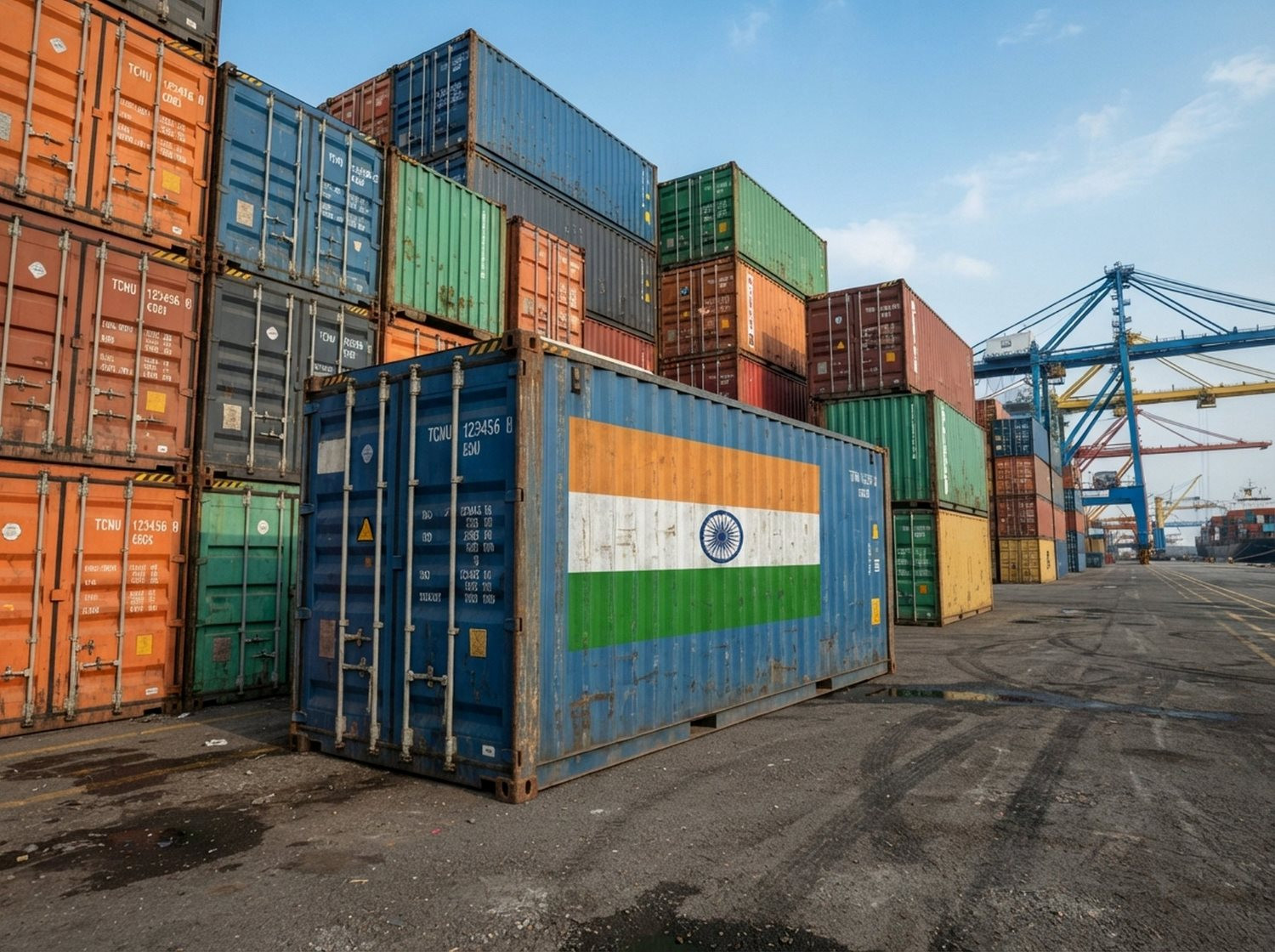
A South–South corridor should therefore not be defined by demand alone. Companies need to test weekly frequency, transshipment exposure, customs predictability, inland reach, foreign-exchange risk, trade finance and payment security. A market with strong import growth but weak inland distribution or long dwell times can still produce a higher landed cost than a more distant market with a mature corridor.
New corridors are built by hubs, customs and finance
A scalable logistics corridor needs three layers: physical, institutional and financial connectivity. Physical connectivity means ports, shipping services, airports, rail, trucking and warehouses. Institutional connectivity means FTAs, customs procedures, rules of origin and standards. Financial connectivity means banks, trade finance, insurance and workable payment terms. If one layer is weak, trade often remains a collection of individual shipments rather than a repeatable lane. The three layers also need to mature together; otherwise a tariff advantage can be cancelled by unreliable transport or expensive financing.
The UAE illustrates how a hub can matter more than the size of its domestic market. The Vietnam-UAE CEPA entered into force on 3 February 2026, opening 94.9% of tariff lines to Vietnamese goods, with 74.2% eliminated immediately. Vietnam's Ministry of Industry and Trade also views the UAE as a re-export gateway into the Middle East and Africa. The logistics advantage therefore comes from combining market access with bonded or free-zone distribution and re-export.
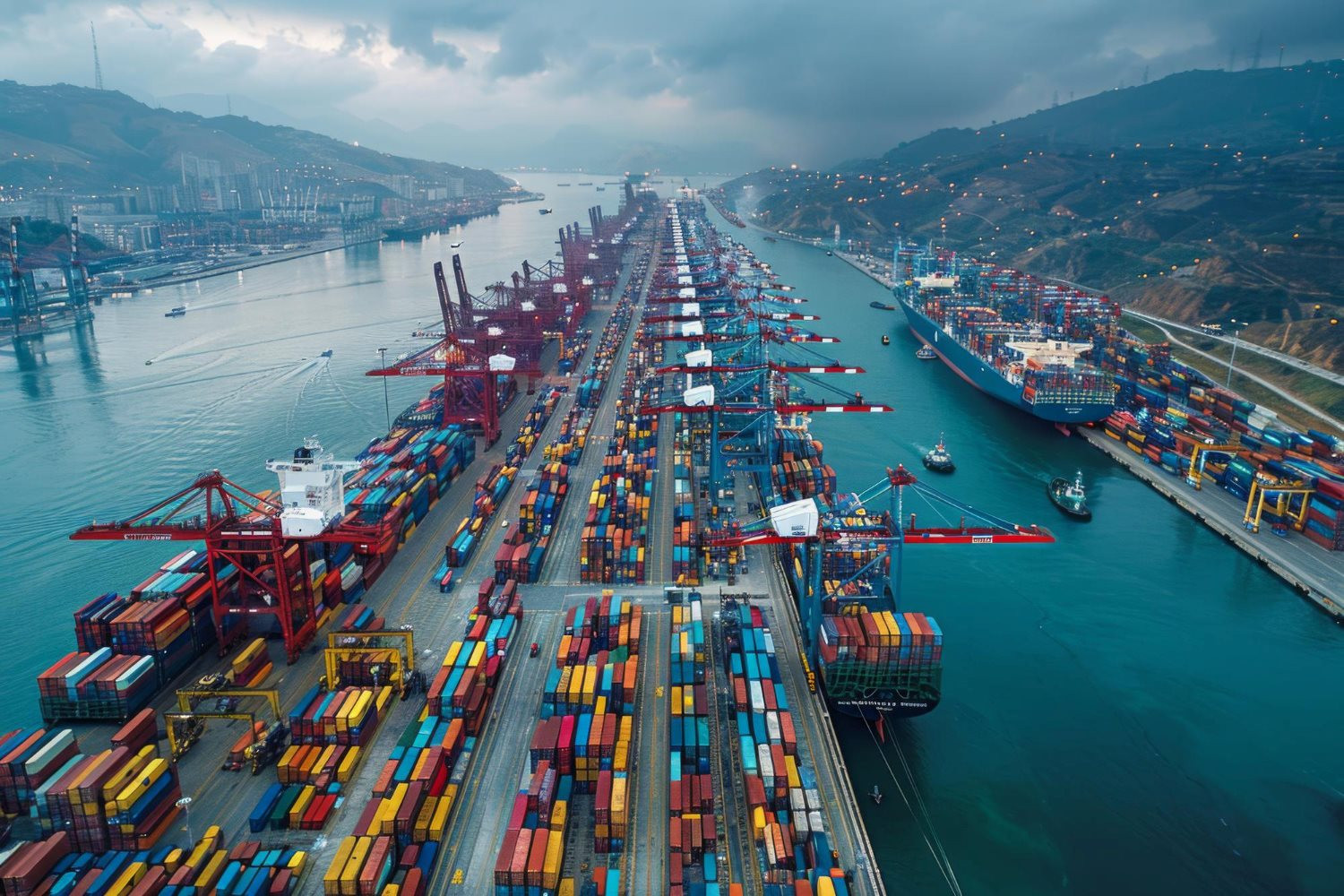
India is a more direct market-and-production corridor. Vietnam-India trade reached a record USD 16.46 billion in 2025, up 10.5%, and exceeded USD 3 billion in the first two months of 2026, up 24%. Computers, electronics, phones, machinery and other manufactured goods are becoming more important, increasing the value of schedule frequency, lead-time reliability, security and after-sales logistics.
Africa requires a different operating model. Reaching the port is not the same as reaching the market. Demand for manufactured imports is substantial, but transshipment, inland distance, customs, payment and security can determine commercial viability. South–South tariff preferences can improve access, but if port dwell, border procedures or financing costs remain high, logistics can absorb much of the tariff benefit.
A South–South logistics corridor becomes real only when four flows work together: cargo volume is stable enough to support regular services; data and customs can be processed before arrival; money moves through banking and trade finance without creating excessive gaps; and inland distribution can reliably connect the gateway with the customer. Trade value may rise quickly, but if one of these flows is weak, the corridor remains a collection of isolated shipments rather than a scalable route.
From ASEAN toward India, the UAE and Africa
For Vietnam, the opportunity is to treat ASEAN as a platform for reaching deeper into the Global South. Feeder, mainline and air-cargo networks across East and Southeast Asia are already relatively dense. The next step is to manage deliberate lanes into India, the UAE, Saudi Arabia, East Africa and other markets with rising purchasing power. This requires treating market development and transport design as one process rather than allowing sales teams to open destinations before logistics capacity has been tested.
Vietnam-India should increasingly be managed as a strategic lane. With bilateral trade already above USD 16 billion and manufactured goods expanding, shippers can build consolidation schedules, negotiate longer-term allocations, position spare-parts inventory and measure reliability by port pair. These factors often matter more than finding the lowest spot rate in a given week.
The UAE offers another model. Bilateral trade exceeded USD 6.5 billion in 2025 and the CEPA adds a new market-access layer. Vietnamese companies can consider regional distribution using bonded or free-zone warehouses, breaking bulk, re-exporting and serving multiple markets from one inventory pool. Logistics then moves from port-to-port transport toward inventory orchestration.
Africa should be approached corridor by corridor. With the same ocean rate, a gateway with predictable customs, strong agents, reliable trucking and better security can produce a lower landed cost than a geographically closer port with long dwell. Vietnamese 3PLs can therefore build South–South desks around ASEAN-India, Gulf-Middle East and Africa, integrating documentation, origin support, consolidation, insurance and destination control towers.
Companies also need corridor data: schedule reliability, transshipment dwell, customs time, FX and payment issues, claim frequency and inland lead time. South–South trade does not eliminate risk. UNCTAD in 2026 continued to warn about geopolitical tension, disruption around Hormuz and financial pressure on developing economies. Diversification should create multiple route options and inventory nodes rather than shifting dependence from one market to one new hub.
South–South trade is creating new growth space for logistics, but the value does not come from drawing more lines on a map. A corridor exists only when flows are regular, costs are sufficiently predictable and companies can repeat the journey at an acceptable level of risk.
For Vietnam, the advantage will come from turning India, the UAE and other developing markets into data-managed lanes rather than distant markets handled shipment by shipment. When logistics develops ahead of demand, South–South trade can become a pillar of market diversification rather than only a statistical trend.