
In recent years, major storms such as Yagi, Bualoi and Kalmaegi and historic floods in central Vietnam have highlighted how climate change is intensifying extreme weather and its impacts. In this context, logistics capabilities—for both commercial flows and humanitarian relief—have become a crucial “defence line” for reducing losses and enabling recovery.
Vietnam in the Disaster Belt: When Supply Chains Become a Line of Defence
Multi-sector assessments by the UN and other international organisations consistently rank Vietnam among high-risk countries facing multiple hazards, including typhoons, floods, landslides, saline intrusion and drought. Damage is not limited to homes and infrastructure; it also disrupts supply chains for essential goods such as food, clean water, medicine, fuel and medical supplies. Recent storms like Yagi and Bualoi have halted road, rail and air transport, directly affecting logistics operations and production supply chains.
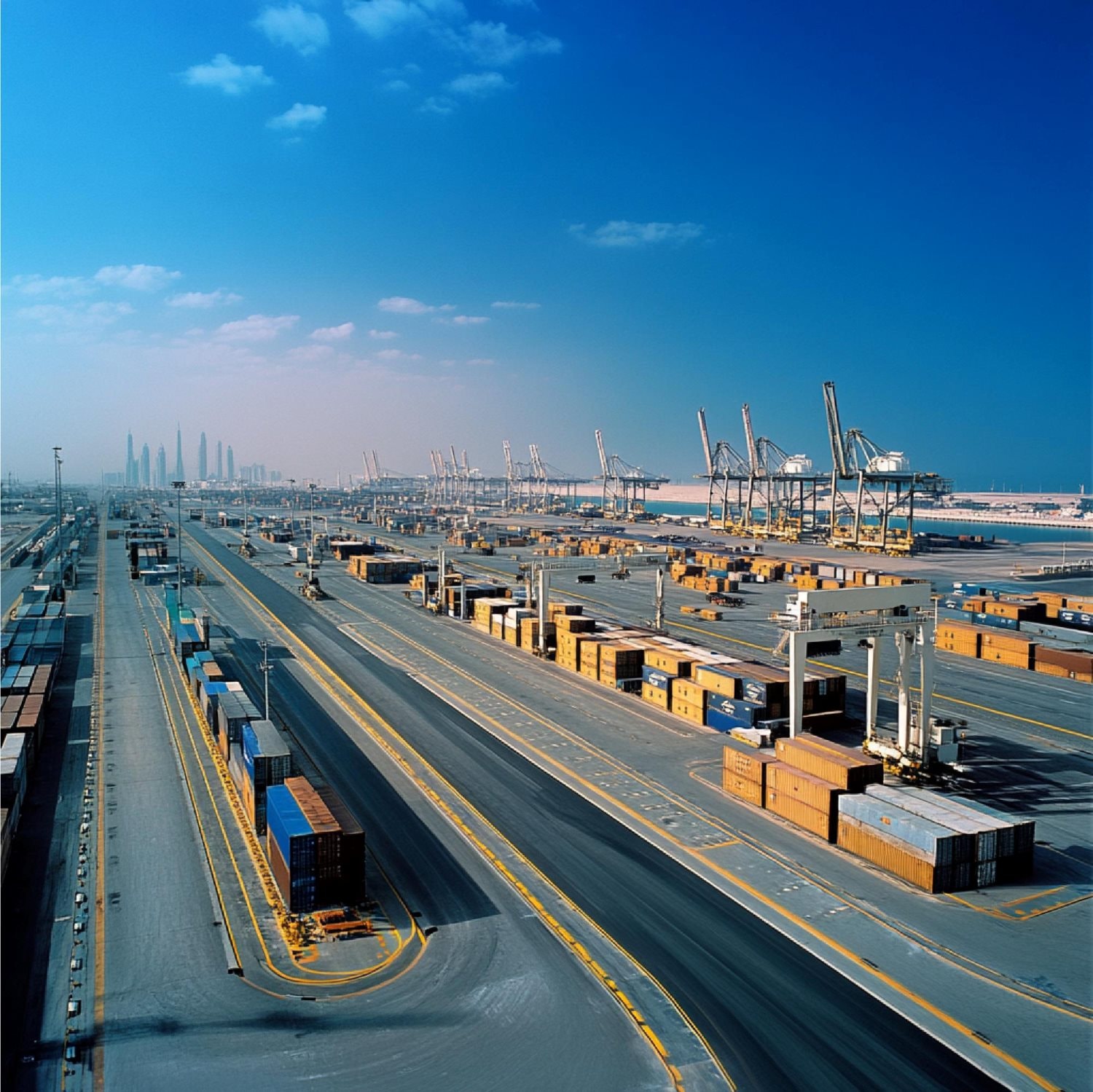
Against this backdrop, the concept of a “resilient supply chain” is no longer abstract. A factory located in a coastal or central region must consider not only input disruptions but also how goods will flow when roads are cut, ports are forced to close or warehouses are flooded. At the national level, the location of safe logistics corridors, strategic stockpiles and relief distribution networks can be the decisive factor in reducing losses and stabilising society after a disaster.
Disaster-risk studies show that losses rise not only because storms and floods are stronger but also because population density, asset concentration and infrastructure exposure in high-risk areas are increasing. When a major flood or typhoon hits, the absence of pre-planned logistics for evacuation, food supply, clean water, medicine, power and communication can “double” the damage: nature destroys once, and delays or confusion in organising relief supply chains prolong and deepen the suffering.
Humanitarian Logistics: From Concept to ASEAN–Vietnam Practice
According to the AHA Centre, humanitarian logistics is the process of planning, implementing, monitoring and controlling the acquisition, storage and transportation of relief items from their point of origin to disaster sites, with the goal of delivering aid to affected communities efficiently and cost-effectively. At the regional level, ASEAN coordinates disaster response through the AHA Centre and the DELSA network of regional stockpiles in Indonesia and Thailand, which store relief items for member states.
Vietnam is both a frequent recipient of regional assistance and an active participant in humanitarian logistics training, such as the ASEAN-ERAT course on emergency response and assessment held in Vietnam in 2025. In practice, each major disaster functions as a real-life “exercise” to test coordination among disaster-management agencies, the military, local authorities, logistics businesses and humanitarian organisations. With roads cut, bridges washed away, airports closed and power and telecoms disrupted, responders must resort to non-traditional transport modes - boats, canoes, helicopters, off-road vehicles and temporary staging areas.
International experience also shows that without adequate preparation, humanitarian logistics can backfire: aid arrives late, goes to the wrong locations or overwhelms local infrastructure. A lack of information systems, standardised relief items and clear coordination mechanisms can quickly lead to “excess here, shortage there,” wasting resources and fuelling public frustration.
Building Disaster-Resilient Supply Chains: A Shared Responsibility
Strengthening the resilience of supply chains in the face of disasters cannot be left to any single actor. On the government side, integrating disaster-risk management into logistics infrastructure planning - roads, railways, ports and warehouses - is key to reducing vulnerabilities. Backbone national highways, the North–South railway, key gateway ports and international airports should be subject to detailed risk assessments and equipped with protection and rapid-recovery plans.
For businesses, especially logistics providers and supply-chain-dependent industries, business continuity plans (BCP) and emergency response strategies are essential. These may include geographically diversified warehousing, flexible outsourcing contracts, pre-arranged access to temporary storage and transhipment facilities, and remote-working arrangements for control-tower staff. Retailers, supermarkets and producers of essential goods should coordinate with authorities to maintain minimum supply levels for affected areas during disasters.
Communities - including residents, social organisations and local enterprises - also play a vital role. Volunteer networks, convenience stores, cultural centres and schools can function as local relief hubs when integrated into district-level humanitarian logistics plans. Lessons learned from past events - central Vietnam’s floods, northern Vietnam’s typhoons, or drought and salinity in the Mekong Delta - provide valuable data points for designing more standardised models in the future.
Disaster-resilient supply chains are not built simply by adding a few warehouses or buying more specialised vehicles. They require a shift in mindset: recognising logistics and supply-chain management as part of national security and social protection. When businesses, government and communities share data, rehearse scenarios and invest in infrastructure that is flexible, distributed and smart, the economy as a whole becomes better equipped to withstand increasingly frequent and severe weather shocks.
In an era of accelerating climate change, the question is no longer whether disasters will occur, but when and how prepared we are. For Vietnam, building disaster-resilient supply chains and robust humanitarian logistics will not only reduce immediate losses but also protect social trust and keep the economy moving. When disaster-risk thinking is firmly embedded in supply-chain strategies, every investment in infrastructure, data and people today becomes a safety buffer for tomorrow.



.png "Dung Quat Enters a New EPC Execution Phase")