
For the logistics sector, this shift is changing the business model from simply “moving cargo” to organizing, connecting and creating value across the entire supply chain.
WHEN SERVICES ARE EMBEDDED IN A PRODUCT
A smartphone, a battery pack or a shipment of agricultural products is still a physical good. Yet for that product to reach the right market, at the right time and under the right standards, it depends on an increasingly dense layer of services: design, software, finance, testing, insurance, data, transport, distribution and after-sales support.

UNCTAD’s Global Trade Update released in September 2026 shows how profound this transformation has become. Services account for about 71% of global intermediate inputs. Their share of global exports rose from 23% in 2015 to 27% in 2025. Digitally deliverable services now represent 56% of global services exports and have grown by an average of 7.1% a year over the past decade.
This “servicification” does not make physical goods less important. Instead, an increasing share of their competitiveness is created by services embedded in and around them. The OECD’s Trends in Global Value Chains report, published in July 2026, also shows that global value chains remain highly internationalized. The main changes are occurring in sourcing structures, sectoral composition and the way companies organize networks, rather than through a simple retreat from global production.
This means that measuring trade only by the customs value of goods crossing borders provides an increasingly incomplete picture. A shipment of electronics may also embody software, design, data, financing, insurance and multiple logistics services that traditional merchandise statistics do not fully capture.

LOGISTICS IS BECOMING SERVICE INFRASTRUCTURE
Logistics occupies a unique position in this transition. It is both a service industry in its own right and an input into almost every other sector. Without effective logistics, a factory may be efficient but fail to receive materials on time; an e-commerce company may sell successfully but lose customers through poor fulfilment; an exporter may have orders but still lose competitiveness because of delays, documentation problems or fragmented data.
The OECD identifies transport and logistics as core intermediate services underpinning global value chains. Yet “logistics services” now extend far beyond transportation and warehousing. Higher-value activities are increasingly found in order management, supply chain visibility, demand forecasting, network design, inventory optimization, data analytics, risk management, trade compliance and digital platform integration.
As a result, the boundary between a logistics company and a technology company is becoming less clear. A freight forwarder seeking to serve major customers can no longer rely only on booking and transportation. It increasingly needs to connect with ERP systems, provide real-time dashboards, support customs processes, control documentation and manage exceptions across the shipment journey.
In a service economy, owning more trucks or more warehouse space does not automatically mean creating more value. Competitive advantage increasingly comes from turning fragmented activities into one seamless service. Customers are buying confidence that orders are visible, controlled and handled quickly when disruption occurs.
Logistics value is shifting from physical assets toward coordination capability. Transport and warehousing remain essential foundations, but higher-value services increasingly come from data, visibility, order management, forecasting, trade finance, compliance, insurance and risk management. Logistics providers therefore compete not only through their capacity to move cargo, but through their ability to connect fragmented activities, respond to disruptions early and make the entire supply chain operate as one coordinated end-to-end system.
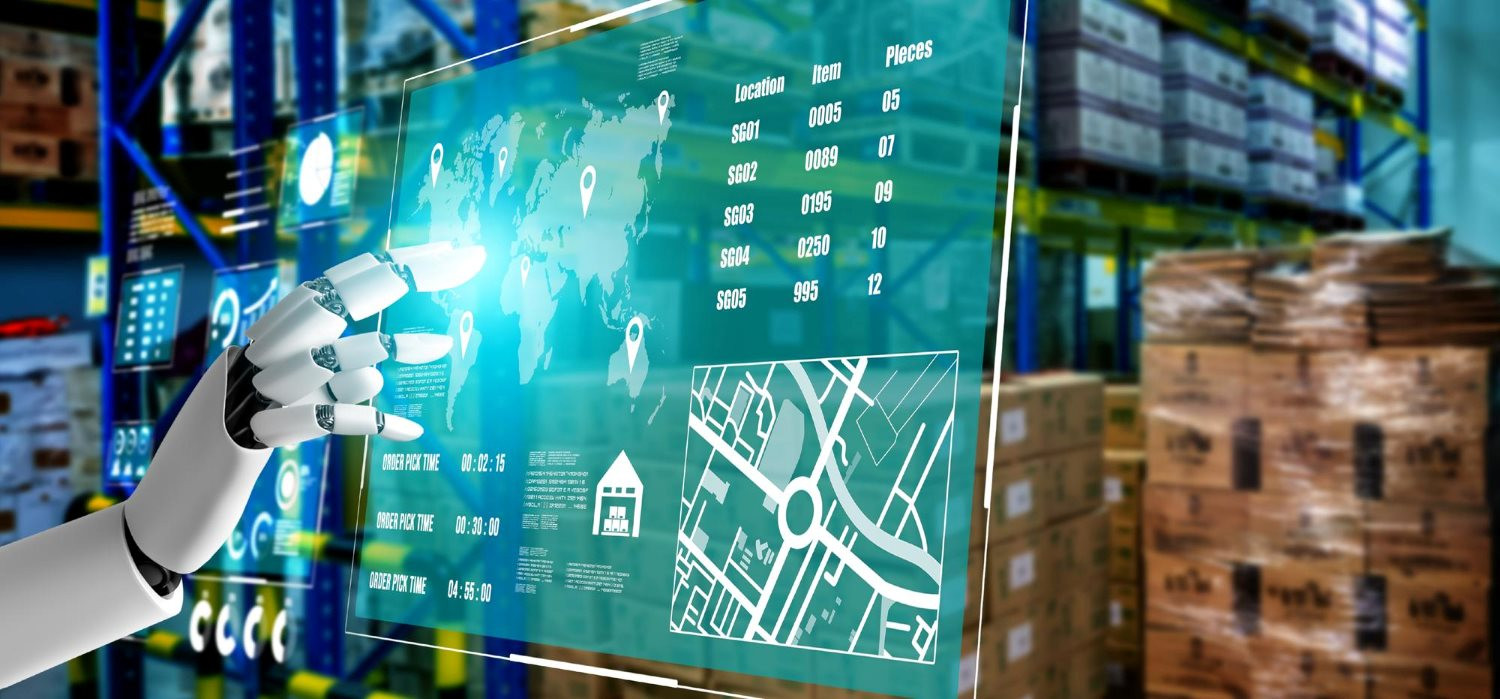
VIETNAM: OPPORTUNITY LIES IN THE INVISIBLE LAYERS OF VALUE
Vietnam is especially exposed to this transformation because of its highly open economy and its participation in international value chains spanning electronics, textiles, footwear, furniture, agriculture and machinery. If logistics growth is measured mainly by container volumes, truck movements or warehouse area, the amount of value retained domestically will remain limited.
A larger opportunity lies in increasing the service content of each cargo flow. Seafood exports require traceability, temperature data and digital documentation. Electronics need security, accuracy, compliance and shipment visibility. Cross-border e-commerce requires fulfilment, payment services, reverse logistics and tax and customs management.
The deeper an economy moves into high-value industries, the less logistics resembles a stand-alone transport service and the more it resembles an “operating system” for the supply chain. This is also where Vietnamese companies can begin to shift from price-based competition toward competition based on knowledge, data and integration capability.
The international environment supports this direction. On 15 September 2026, the WTO projected that global services trade volume would expand by 4.8% in 2026, outpacing trade in goods. Yet the gains from services growth are not distributed automatically. Digital infrastructure, skills, cross-border payment systems and regulatory capacity remain decisive.
For Vietnam, three priorities stand out. First, logistics companies need to invest in data architecture and systems integration rather than merely digitizing isolated procedures. Second, the workforce must evolve from transaction processing toward analytics, coordination and risk management. Third, logistics policy must extend beyond roads, ports and warehouses to include data infrastructure, digital standards, financial services and a regulatory environment capable of supporting cross-border transactions.
The global economy is entering a period in which more value is created by elements that cannot be measured by the weight or volume of a shipment. Services, data and knowledge are becoming decisive components of competitiveness.
For logistics, this means moving from transporting goods to orchestrating flows of cargo, data, documents, finance and risk at the same time. Those who look only at ports, trucks and warehouses will see an industry becoming larger. Those who look deeper will see service infrastructure becoming the nervous system of the economy. In that new competitive landscape, the greatest source of value may lie not in what a company owns, but in what it is able to connect.
.png "Dung Quat Enters a New EPC Execution Phase")