
Schedule reliability is not just a carrier KPI
Sea-Intelligence reported that global container schedule reliability fell by 6.1 percentage points month on month in July 2026 to 56.4%, the lowest level of the year and the weakest since February 2025. The average delay for late vessel arrivals increased to 6.06 days, the highest since January 2024. Compared with July 2025, reliability was 8.8 percentage points lower. A metric that may look operational on a carrier dashboard has therefore become a direct business risk for shippers.
What counts as “on time” is also more complex than it appears. A carrier may update an ETA during the voyage, while a shipper needs to know whether the service delivered against the promise available when the booking decision was made. Drewry has addressed this problem by measuring schedule adherence against arrival times fixed as far as six weeks in advance, better aligning the metric with the planning horizon of cargo owners.
Different methodologies can produce different headline percentages, so figures from individual providers should not be compared mechanically. The more important lesson is that shippers need reliability data at the level of trade lane, service, port and carrier. A global average cannot explain whether a company’s Asia-Europe service is stable or whether a feeder connection repeatedly undermines the entire door-to-door plan.
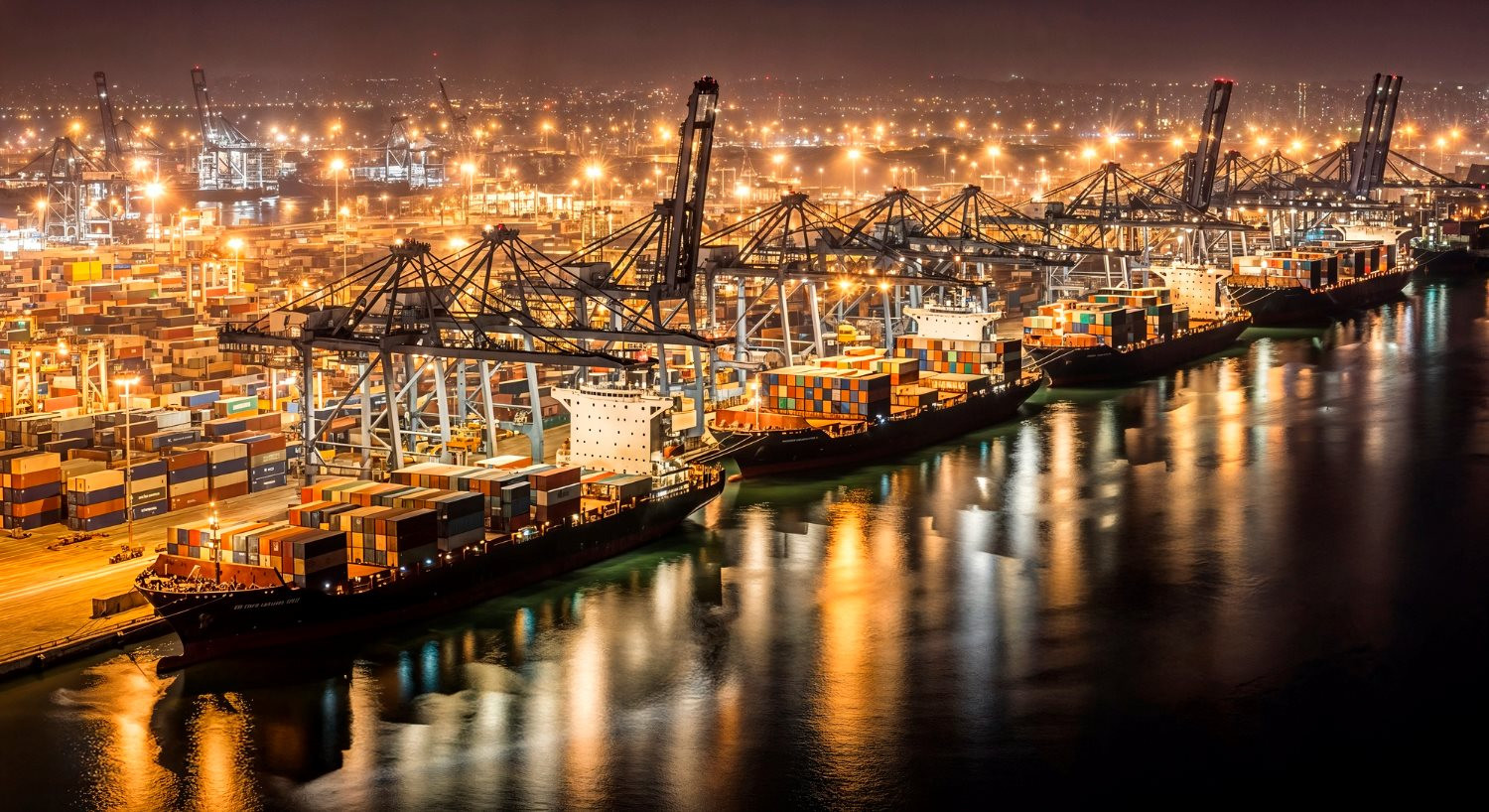
Port performance can also pull the whole network off schedule. Sea-Intelligence found that all 14 major Asian ports in its analysis saw weaker on-time vessel arrivals in July 2026. Shanghai fell to about 21%, Ningbo to 34.6% and Yantian to 48.3%. Congestion at a major hub does not stop at the berth; it propagates through vessel rotations, transshipment windows, empty-equipment availability and subsequent sailings.
One day of delay can cost more than a lower freight rate saves
For cargo owners, the largest cost of unreliable schedules often sits outside the ocean freight invoice. When lead times become volatile, companies hold more safety stock to protect production and sales. Working capital remains tied up for longer, warehouses need more buffer space and planning teams build additional time into every order. This is why ocean freight is only one component of total landed cost.
The impact is particularly visible in lean manufacturing. A late component can force a line to change sequence or stop production. Seasonal goods arriving after a sales window may require discounting. Food, pharmaceuticals and other time-sensitive products can face quality risks or additional monitoring costs. In those cases, a few hundred dollars of rate difference between two carriers may be insignificant compared with the cost of a week-long delay.
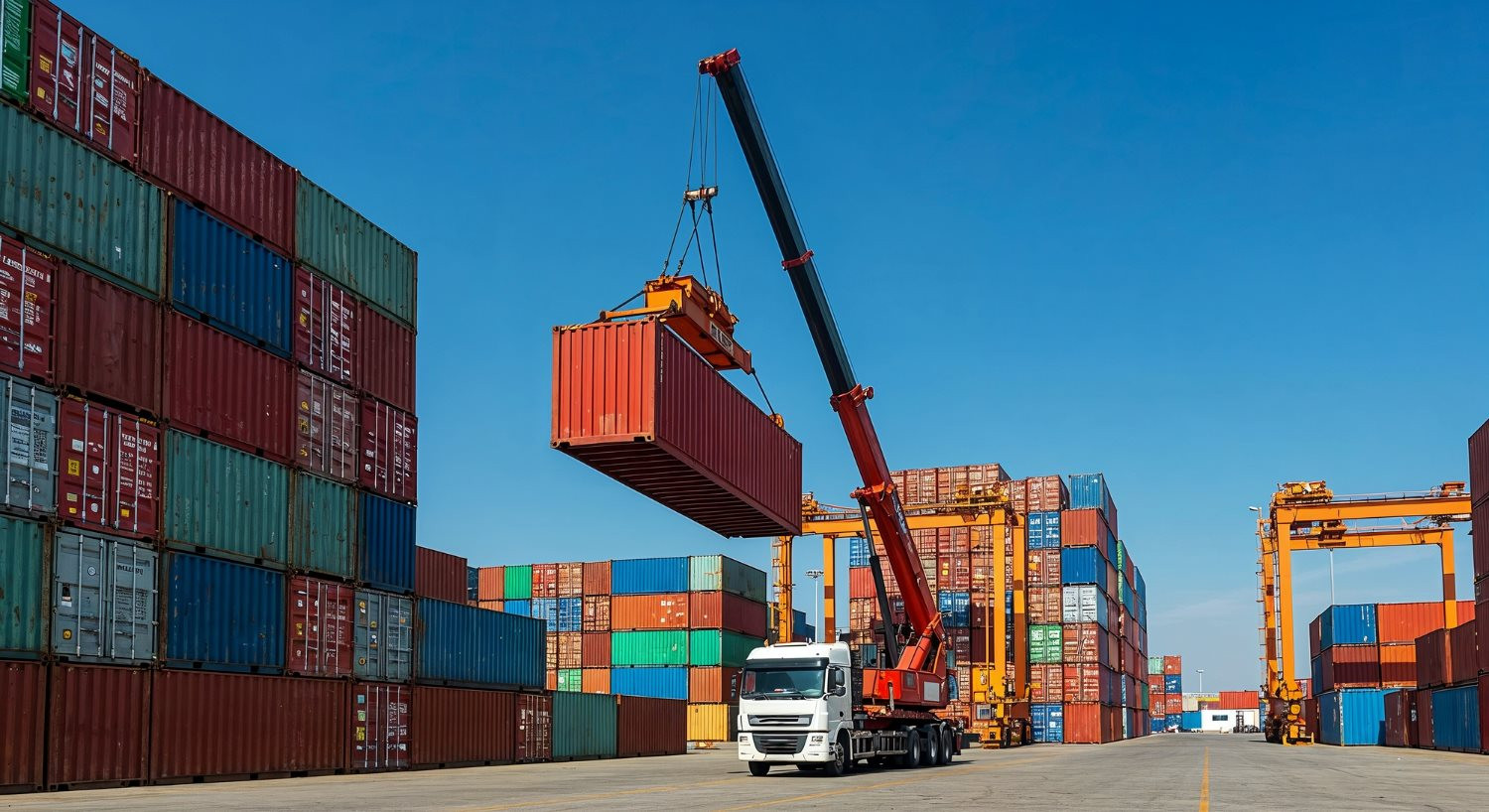
Delay also reduces effective market capacity. Sea-Intelligence estimates that around 5% of global deep-sea container capacity is currently absorbed by vessels caught in delays, equivalent to roughly 1.7 million TEU. Before the pandemic, only about 2.2% of capacity was typically tied up this way. Even when the nominal fleet grows, a meaningful share of available shipping space therefore fails to produce the planned transport output.
Low reliability creates hidden administrative costs as well. Forwarders and shippers must rebook cargo, reroute containers, revise ETAs, move truck appointments, change warehouse slots and update downstream customers. These exception-management costs rarely appear as a separate line in a logistics budget, yet they consume staff time and weaken customer service.
A vessel arriving six days late does not simply make the cargo six days late. The shipper may need more safety stock, revised production plans, new truck and warehouse appointments, additional container costs or emergency action to protect a delivery commitment. Schedule reliability should therefore be translated into business cost. Comparing carriers only by USD per FEU can produce a choice that looks cheap in the contract but expensive across the end-to-end supply chain.
From buying freight to buying reliability
For procurement teams, the first step is to put reliability into the carrier scorecard. Freight rate remains important, but it should be assessed together with on-time performance, average days late, service volatility, blank sailings, congestion at key hubs and the quality of ETA information. Most importantly, the data should reflect the actual lanes used by the company rather than a carrier’s overall reputation.
Second, companies should evaluate reliability through its impact on orders. A service with 60% on-time performance may be manageable if most late arrivals miss schedule by only one day and are predictable. Another service with the same percentage but repeated five-to-seven-day delays creates a much larger planning risk. The distribution and volatility of delays can therefore be more informative than one headline on-time figure.
Third, schedule reliability should influence inventory design and service contracts. High-value or time-sensitive cargo may justify a more reliable service even at a premium, while less sensitive products can tolerate greater variability in exchange for a lower rate. Once cargo is segmented by business risk, transport decisions become less dependent on a single procurement metric.
For Vietnamese companies, this matters because seaborne trade is central to many export and manufacturing chains. Electronics, textiles, footwear, furniture and agricultural products can all suffer when vessel delays disrupt factory plans, container availability, warehouse schedules and customer commitments. Reliability monitoring should therefore connect logistics with procurement, production, sales and finance rather than remain a task handled only by the forwarder.
Freight rates are easy to see, so they naturally dominate negotiations. Reliability, however, determines how confidently a business can plan. When little more than half of global container services arrive on schedule and average late arrivals exceed six days, treating schedule reliability as a secondary KPI has become increasingly costly.
Mature logistics is not about purchasing the lowest rate. It is about balancing price, time and predictability according to the value and sensitivity of each cargo flow. Once companies start measuring the cost of delay rather than only the cost of transport, schedule reliability moves from a carrier statistic to a management metric for the entire supply chain.