
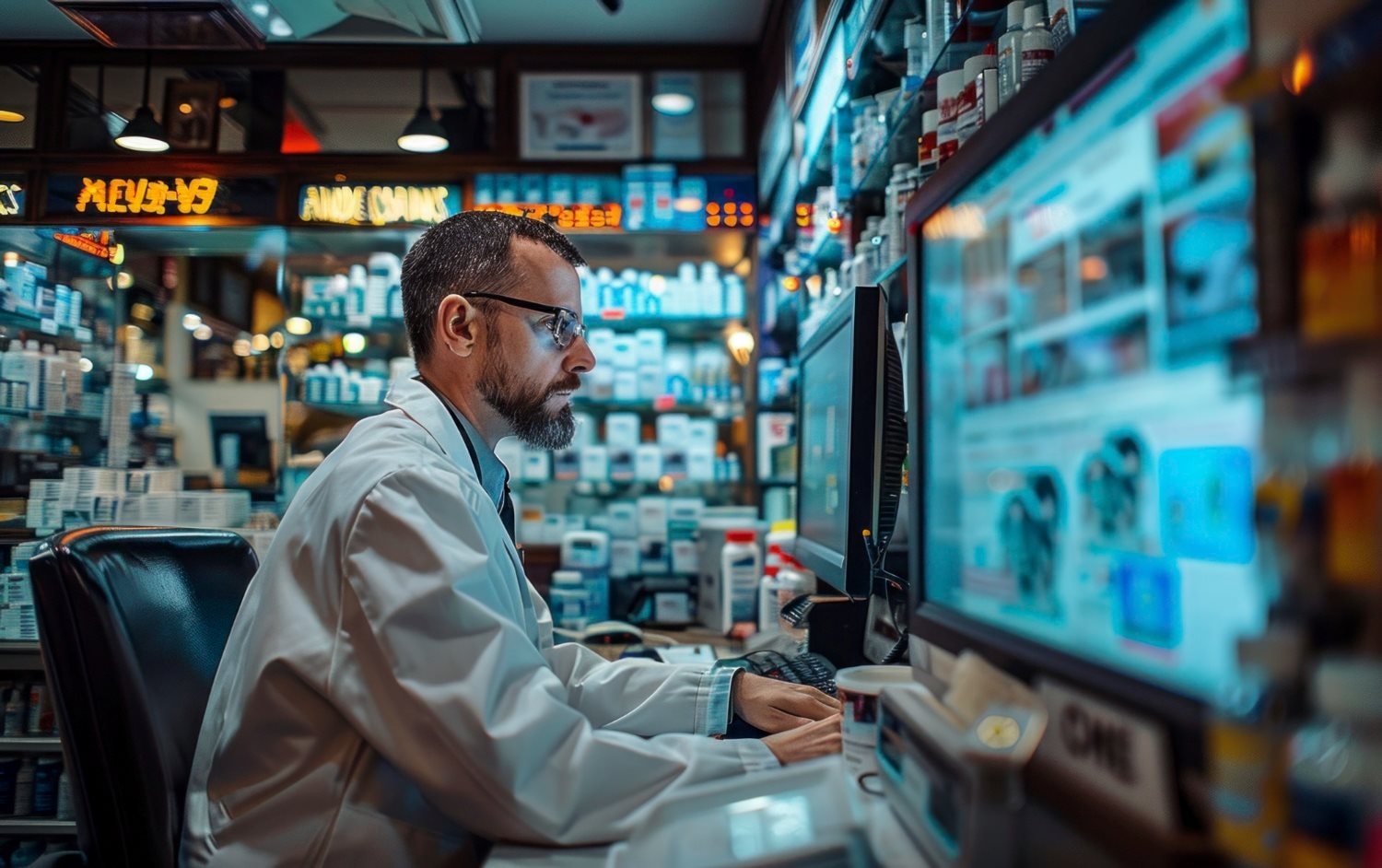
In Vietnam, the pharmaceutical market is forecast to reach around US$16–17 billion by 2026, growing 8–10 percent annually, driving strong demand for GSP-compliant warehouses, cold chains and specialised distribution services. The key question is whether Vietnam’s logistics sector is ready for this new “stress test” in healthcare.
A Fast-Growing Pharma Market and the Rise of Specialised Logistics
Vietnam’s pharmaceutical market is among the fastest-growing in Southeast Asia, thanks to a population of nearly 100 million, rising incomes and increasing healthcare needs. Government targets for 2030 include ensuring that locally produced medicines meet about 80 percent of domestic demand, with a greater focus on high-tech products and off-patent originator drugs. This will make pharmaceutical supply chains more complex and impose higher logistics requirements - from importing raw materials to warehousing and distributing medicines to hospitals, pharmacies and clinics.
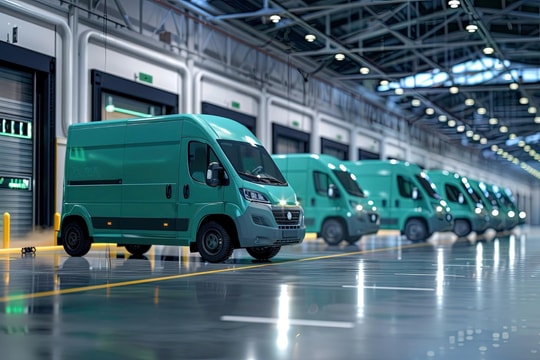
Unlike consumer goods, pharmaceuticals and medical devices are strictly regulated in terms of storage conditions, transport and traceability. Standards such as GSP (Good Storage Practice) and GDP (Good Distribution Practice), alongside stringent requirements on security, temperature, humidity, hygiene and biosafety, create significant technical barriers for logistics companies. Vaccines, biologics and certain specialty drugs require strict cold-chain management, often at 2–8°C or even ultra-low temperatures, supported by continuous monitoring and robust contingency plans.
One positive legacy of the pandemic is that Vietnam’s cold-chain and healthcare logistics capabilities have improved notably. Yet as the pharma market expands and private hospitals, specialty clinics and online pharmacy channels grow, expectations for coverage, flexibility and rapid response in healthcare logistics are rising. This poses challenges but also opens opportunities for logistics providers willing to invest in this high-value, high-barrier segment.
The Unique Demands of Pharmaceutical Supply Chains: Safety, Traceability and Compliance
Pharmaceutical supply chains are defined by three core characteristics. First, they must guarantee product safety and integrity. Any deviation in temperature, humidity or transit time can affect therapeutic efficacy or even harm patients. This requires specialised warehouses and vehicles equipped with sensors, temperature loggers and early-warning systems.
Second, they face very strict traceability and compliance requirements. From the factory to the patient, medicines must be documented, labelled and tracked to prevent counterfeits, sub-standard products and ensure rapid recalls when needed. Vietnam’s regulators are promoting digital traceability - from barcodes and QR codes to RFID - which creates opportunities to integrate with logistics providers’ warehouse and distribution systems.
Third, pharma supply chains must be resilient to shocks: epidemics, import disruptions and sudden surges in demand. This calls for advanced demand-forecasting models, safety-stock strategies, diversified sourcing and contingency logistics plans (backup warehouses, alternative transport routes and flexible outsourcing contracts).
Opportunities for Vietnamese Logistics Providers in Pharma and Healthcare
To capture more value from pharmaceutical and healthcare supply chains, Vietnamese logistics firms must upgrade both infrastructure and management capabilities. On the infrastructure side, this means investing in GSP/GDP-compliant warehouses, cold and ambient facilities linked to airports, seaports and major medical hubs, and temperature-controlled vehicles. On the management side, it requires robust quality-management systems, standard operating procedures and staff trained in pharmaceutical regulations, biosafety and incident response.

A particularly promising direction is the development of specialised 3PL/4PL services for pharma, offering end-to-end solutions—from inbound receiving and storage to order management and distribution for pharma companies, hospitals and pharmacy chains. As online pharmacy and telemedicine grow, opportunities will also arise for pharma fulfilment services and last-mile delivery with healthcare-specific requirements. Leveraging Vietnam’s geographic position near major pharmaceutical and medical-device production clusters in the region, local logistics firms could position the country as a distribution hub for Southeast Asia.
In the landscape of value-added logistics, pharma and healthcare stand out as “difficult but rewarding” segments. High entry barriers around standards, investment and regulation mean that competition is less crowded, but margins, customer stickiness and contract durations are often more attractive than in many other logistics segments. Early movers that build a strong reputation in pharmaceutical supply chains will enjoy a significant and durable competitive edge.
Pharmaceutical and healthcare supply chains are a demanding test of a country’s logistics capabilities. For Vietnam, they also present an opportunity to move beyond consumer and industrial goods into segments that require higher standards of safety, quality and compliance. By investing strategically in warehouses, cold chains, management systems and human resources, Vietnamese logistics firms can not only better support domestic healthcare needs but also gradually integrate into regional and global pharmaceutical distribution networks.


.png "Dien Bien builds investment value chains to power its next growth chapter")

.jpg "Dien Bien, Yunnan and Luang Prabang: Expanding Regional Cooperation and Investment Opportunities")