
Pharmaceuticals are supply chains of responsibility
In many sectors, logistics affects cost and customer experience. In pharmaceuticals, logistics also affects health. A medicine may be produced to the right standard at the factory, but if it is stored at the wrong temperature, transported incorrectly, cross-contaminated, tampered with, loses traceability or reaches a healthcare facility late, treatment value may be compromised.
This is why pharmaceutical logistics must be treated as a specialised field. It is not merely fast transport or ordinary cold storage. It requires quality management systems, temperature control, qualified equipment, trained staff, exception-handling procedures, complete records, cargo security, legal compliance and end-to-end traceability.
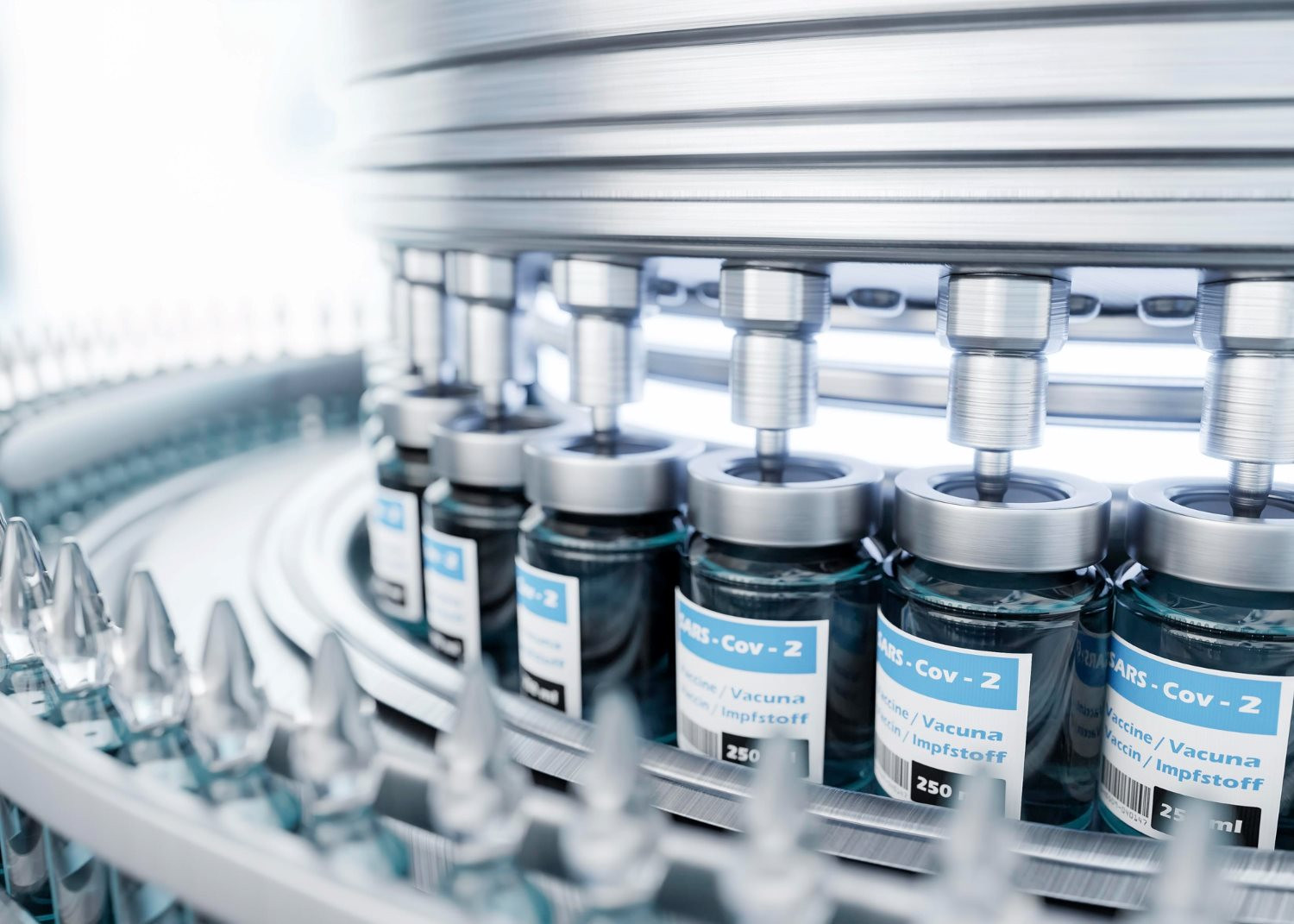
IATA says CEIV Pharma was created to help the aviation industry and the entire air cargo chain achieve higher standards in pharmaceutical handling, emphasising safety, security, compliance and efficiency; the certification also supports facilities, equipment, operations and staff in meeting pharmaceutical manufacturers’ expectations. This shows that pharmaceutical logistics cannot operate under ordinary cargo standards.
The pharmaceutical cold chain is not only 2–8°C
When people discuss cold-chain pharmaceuticals, they often think of the 2–8°C range, commonly used for many vaccines, insulin products and biologics. However, pharmaceutical logistics is broader. Some products require controlled room temperature, some require frozen or ultra-low temperatures, and others are sensitive to light, vibration or security risks.
The key is not only reaching the correct temperature at one point, but maintaining the right conditions throughout the journey. Warehouses, vehicles, insulated boxes, pallets, data loggers, transfer points, airports, cargo terminals, waiting time, handling and final delivery must all be controlled. A temperature excursion outside the allowed range may lead to quarantine, quality reassessment or product rejection.
In pharmaceutical logistics, temperature data is proof. Without data, companies cannot demonstrate that product integrity has been preserved. If data exists but is discontinuous, uncalibrated, not linked to the shipment or not stored properly, its value as proof is weakened.
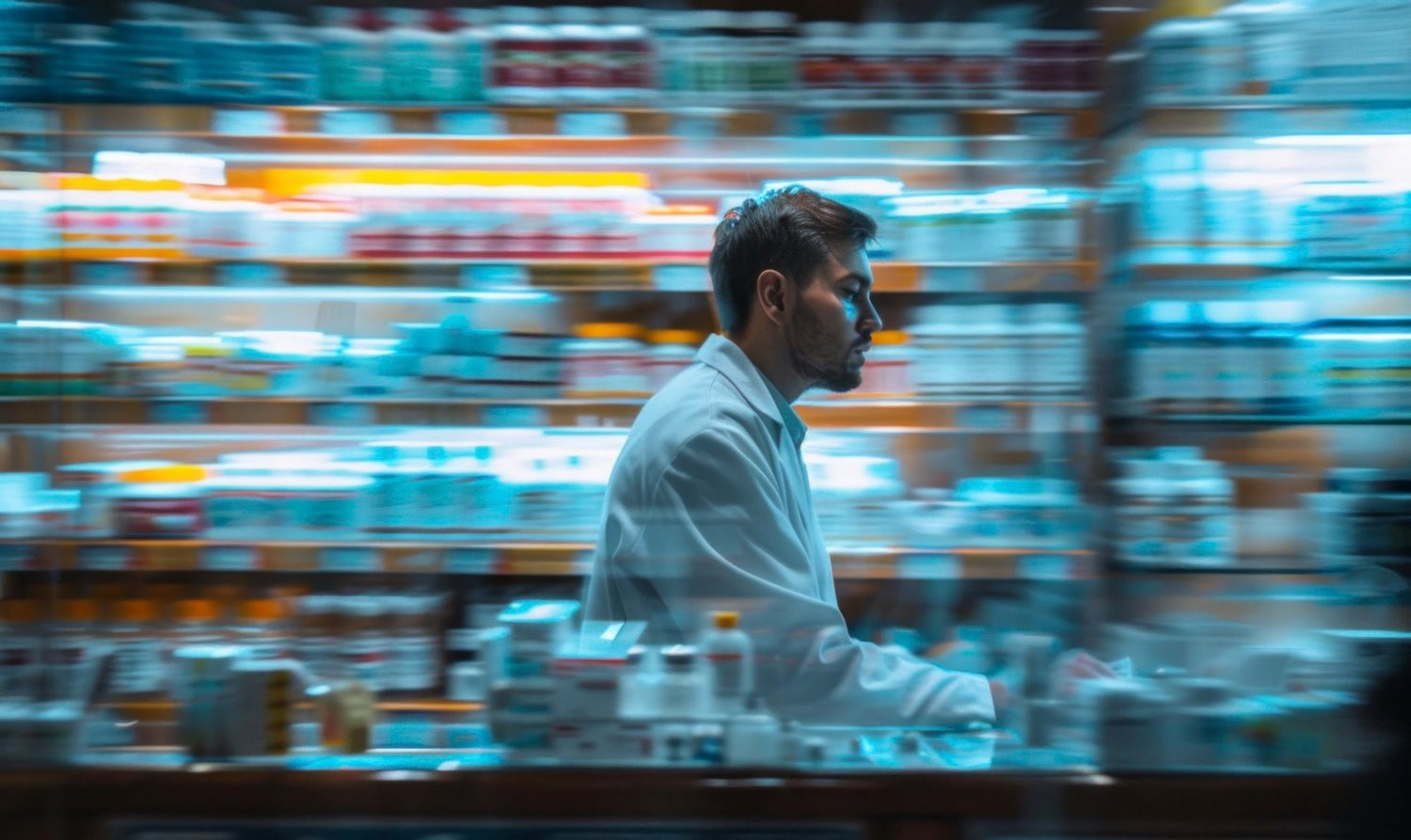
Pharmaceutical logistics does not move “boxes”. It moves treatment efficacy, doctors’ trust, patient safety and manufacturers’ reputation. Every point in the chain - warehouse, vehicle, airport, document and temperature data - must therefore be managed as part of medicine quality.
Five core requirements in pharmaceutical logistics
The first requirement is qualified temperature control. It is not enough to say a vehicle or warehouse is refrigerated. Equipment must be tested, calibrated, route-qualified, packaging-qualified and supported by procedures when temperatures exceed limits. For high-value pharmaceuticals, assumptions are not enough; proof is required.
The second requirement is compliance with GDP and related standards. Good Distribution Practice aims to ensure pharmaceutical quality during distribution. It covers facilities, personnel, procedures, records, storage, transport, recalls, complaints and handling of non-conforming products. For air cargo, CEIV Pharma provides an additional international certification framework, especially for air transport.
The third requirement is traceability and anti-counterfeiting. Pharmaceuticals face risks of counterfeiting, tampering, loss or diversion. Logistics must support batch traceability, serialisation where applicable, seals, delivery control, destination verification and distribution records.
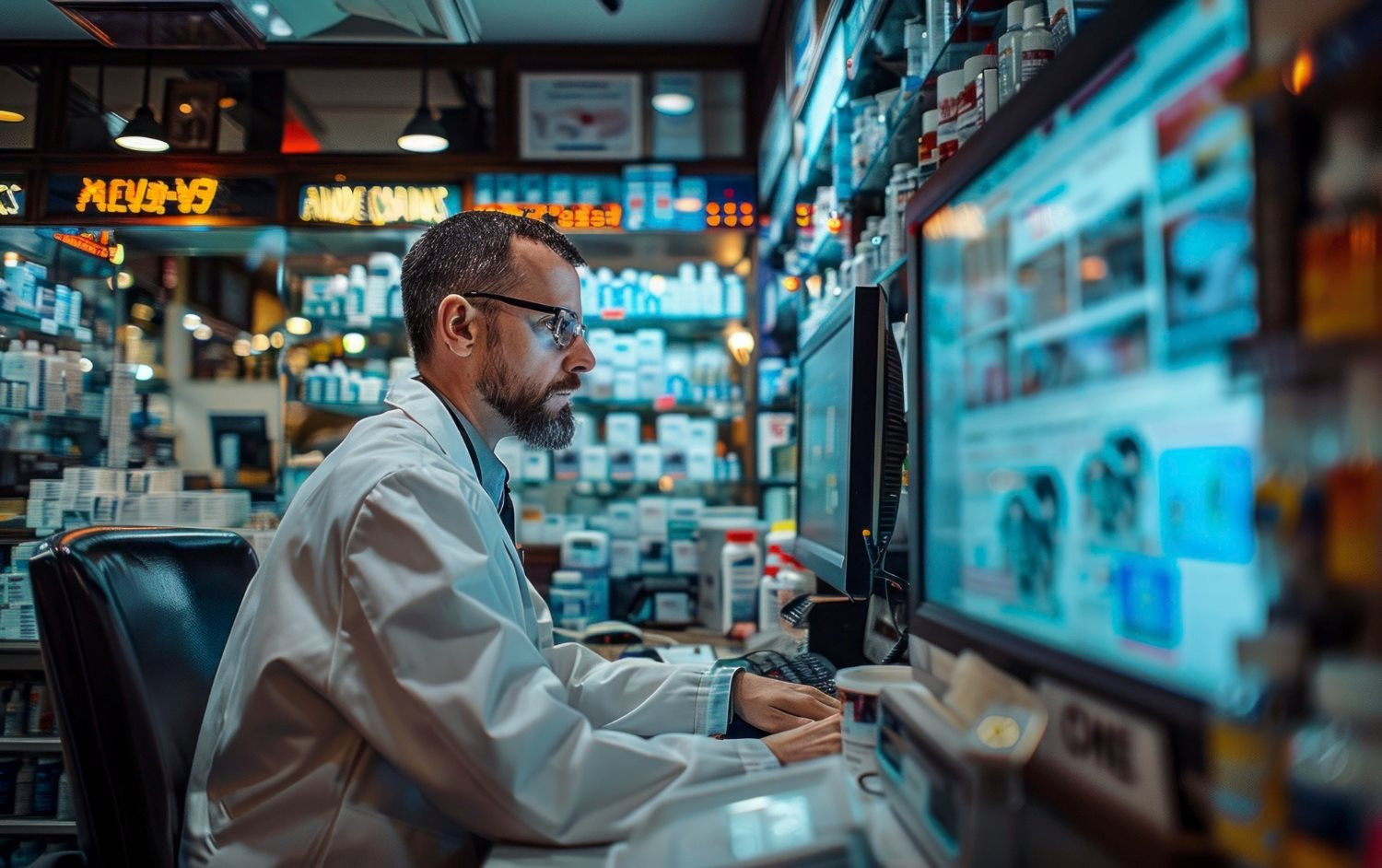
The fourth requirement is exception handling. Pharmaceutical supply chains cannot avoid every incident: delayed flights, vehicle breakdowns, traffic congestion, warehouse power failures, lengthy customs checks or data logger alarms. What matters is fast decision-making: quarantine products, review data, notify cargo owners, activate alternatives and record everything properly.
The fifth requirement is specialised human resources. Pharmaceutical handlers must understand products, temperatures, procedures, records, security, hygiene, legal responsibility and communication with manufacturers or healthcare facilities. One wrong action caused by poor training can compromise an entire shipment.
Why does Vietnam need pharmaceutical logistics?
First, Vietnam’s healthcare and pharmaceutical markets are developing, with rising demand for high-quality medicines, vaccines, biologics, medical devices and modern healthcare. As products become more complex to store, logistics must upgrade.
Second, Vietnam wants to participate more deeply in regional pharmaceutical and medical device supply chains. This requires compliant warehouses, transport, documents and data. A market without strong pharmaceutical logistics will struggle to attract high-value product distribution.
Third, healthcare e-commerce and new medicine distribution models will increase last-mile pharmaceutical requirements. Whether prescription medicines, over-the-counter drugs, medical devices or healthcare products are involved, storage, accurate delivery, clear information and legal compliance are all important.
Fourth, pharmaceutical logistics upgrades capability across the logistics industry. Companies that can serve pharmaceuticals also raise standards for cold-chain food, cosmetics, biologics, medical devices and high-value goods.
Air cargo and the role of airports
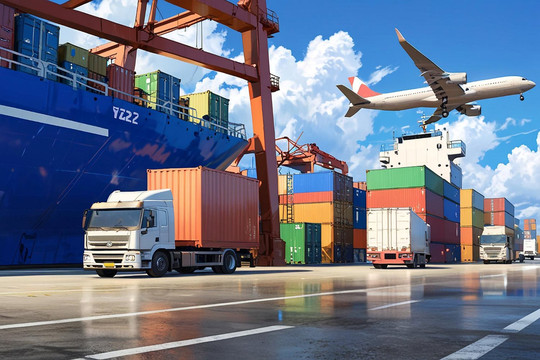
International pharmaceuticals often need air cargo because they are high-value, time-sensitive and require fast delivery. But a fast flight is not enough if cargo waits too long at terminals, lacks temperature-controlled storage, suffers poor handling, lacks data loggers or has no priority processing.
Pharmaceutical logistics development must therefore connect with air cargo terminals, airport cold storage, pharmaceutical handling zones, security procedures, fast customs, trained staff and refrigerated road connections to hospitals, distributors or central warehouses. Long Thanh in the future, together with Tan Son Nhat, Noi Bai, Da Nang and regional logistics centres, could play an important role if planned with an air pharma logistics mindset.
Opportunities for Vietnamese logistics providers
Pharmaceutical logistics is difficult, but high-value. Logistics companies can develop services in pharmaceutical warehousing, refrigerated transport, temperature-controlled packaging, temperature data, healthcare fulfilment, vaccine logistics, biologics logistics, clinical trial transport, reverse logistics for recalls and GDP consulting.
However, this segment should not be approached with the mindset that “any cold warehouse can do it”. Pharmaceuticals require quality management systems, audits, records, procedures, training and responsibility. To perform well, companies need long-term investment and acceptance of strict standards.
Pharmaceutical logistics is where logistics directly meets human health. Standards cannot be low, data cannot be missing and procedures cannot be casual. In this segment, every successful delivery is not only a completed shipment, but protection of treatment efficacy and patient trust.
For Vietnam, developing pharmaceutical logistics is a necessary step in upgrading high-value logistics. As healthcare, pharmaceuticals, biologics and modern care grow, logistics must move one step ahead. A strong pharmaceutical supply chain serves not only commerce, but also public health security.


.png "BSR Opens the Door to Commercial B5 Biodiesel")