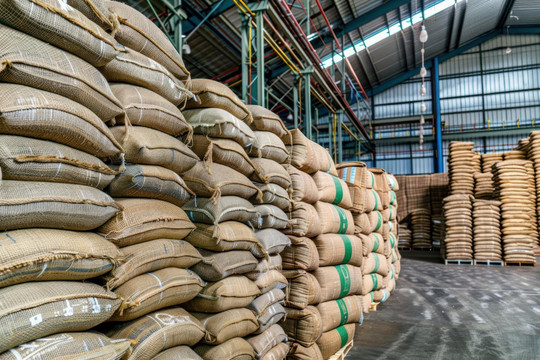
Define quality before committing to an order
FAO guidance on milled rice quality places performance across the production chain, beginning with seed and crop management and continuing through postharvest operations. For a business, this suggests a practical distinction: a variety name alone does not establish that every consignment has an equivalent grade. Procurement records need to be supported by inspection of the material actually received, rather than confidence in a supplier description carried forward from an earlier shipment.
The archived Codex rice standard, numbered CODEX STAN 198-1995, distinguishes product forms and addresses quality, safety, packaging and lot identification. It is a technical reference; businesses still need to check the current requirements of their destination market and the particular contract. Commercial grading and food safety assessment should remain distinct tasks. Attractive grain appearance is not sufficient evidence that a shipment meets applicable safety requirements or every quality claim made to a buyer.
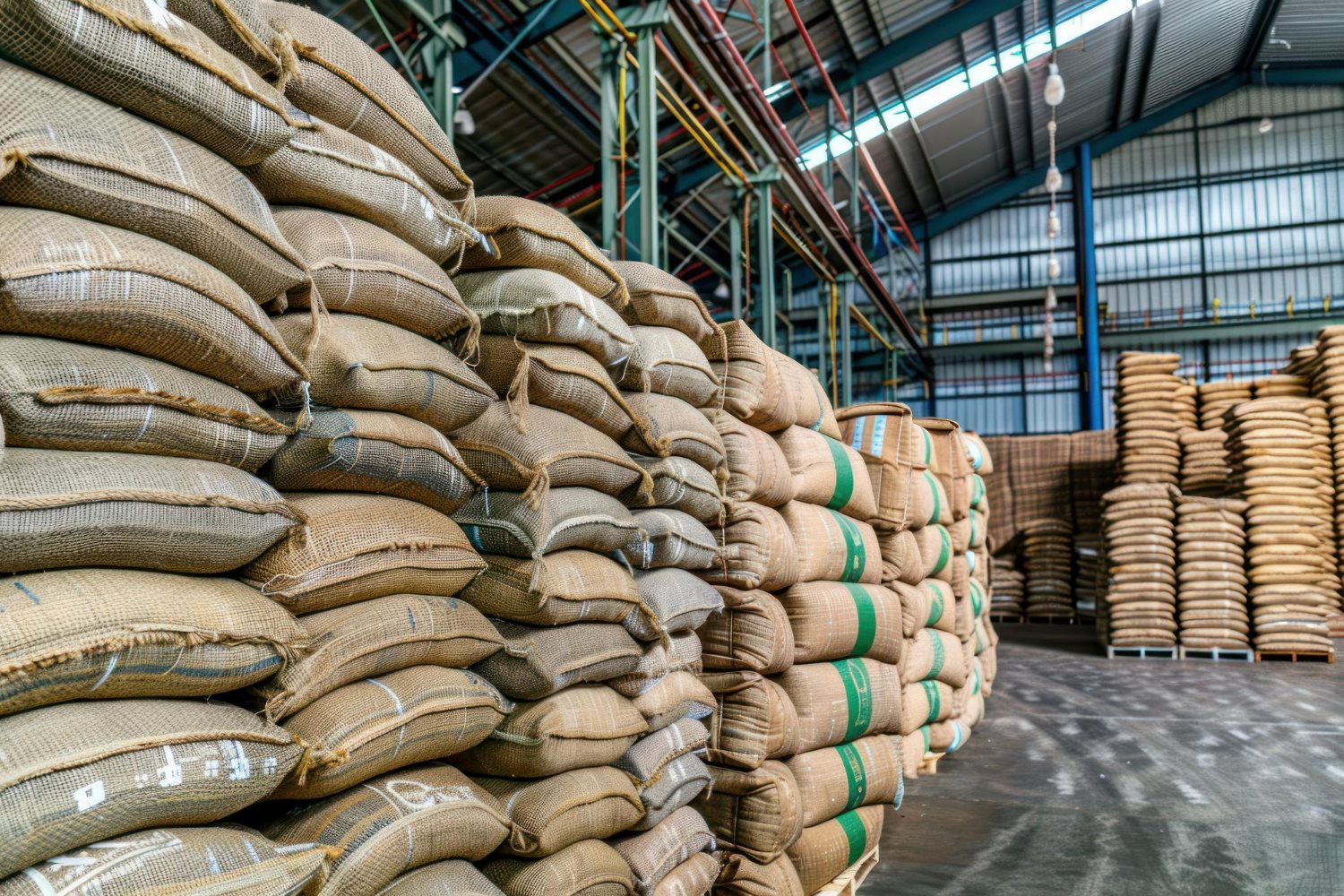
Before procurement, the parties should agree on the variety or variety group, broken grain content, moisture, chalky and damaged kernels, foreign matter and degree of milling. Where an order specifies aroma or cooked rice characteristics, the assessment method also needs agreement. A broad description such as “good rice” offers little help in a dispute if the buyer and supplier have different expectations, or evaluate samples under different conditions without documenting those differences.
The Ministry of Industry and Trade announcement on Directive 08/CT-BCT, issued on 19 March 2026, emphasizes market oriented production, high quality varieties and product quality assurance. Businesses can translate that direction into procurement plans aligned with orders, with clear responsibilities for cooperatives and collection points. Selecting suitable supply before aggregation is generally a more coherent operating approach than buying an undifferentiated volume and attempting to recover the promised grade after material has already been combined.
Keep material separate through collection and processing
Lot segregation should begin at reception. Each lot needs a link to its supplier, location, receipt date, quantity and initial inspection results. Material of the same variety from different seasons, harvest conditions or incoming states is not necessarily suitable for combining. Receiving staff must distinguish approved material from lots awaiting verification and lots requiring separate treatment. Those distinctions should be visible at the unloading point, where an incorrect routing decision can be difficult to reverse.
FAO material on grain grading warns that improving quality through milling after grains have been mixed can be very expensive. An operational response is to organize collection areas and transfer routes around the required quality groups. Where equipment is shared, establish processing sequences, cleaning procedures and checks for residual material before changing lots. Record who confirmed that the changeover was complete, so that the control is an observable action rather than an assumption between shifts.
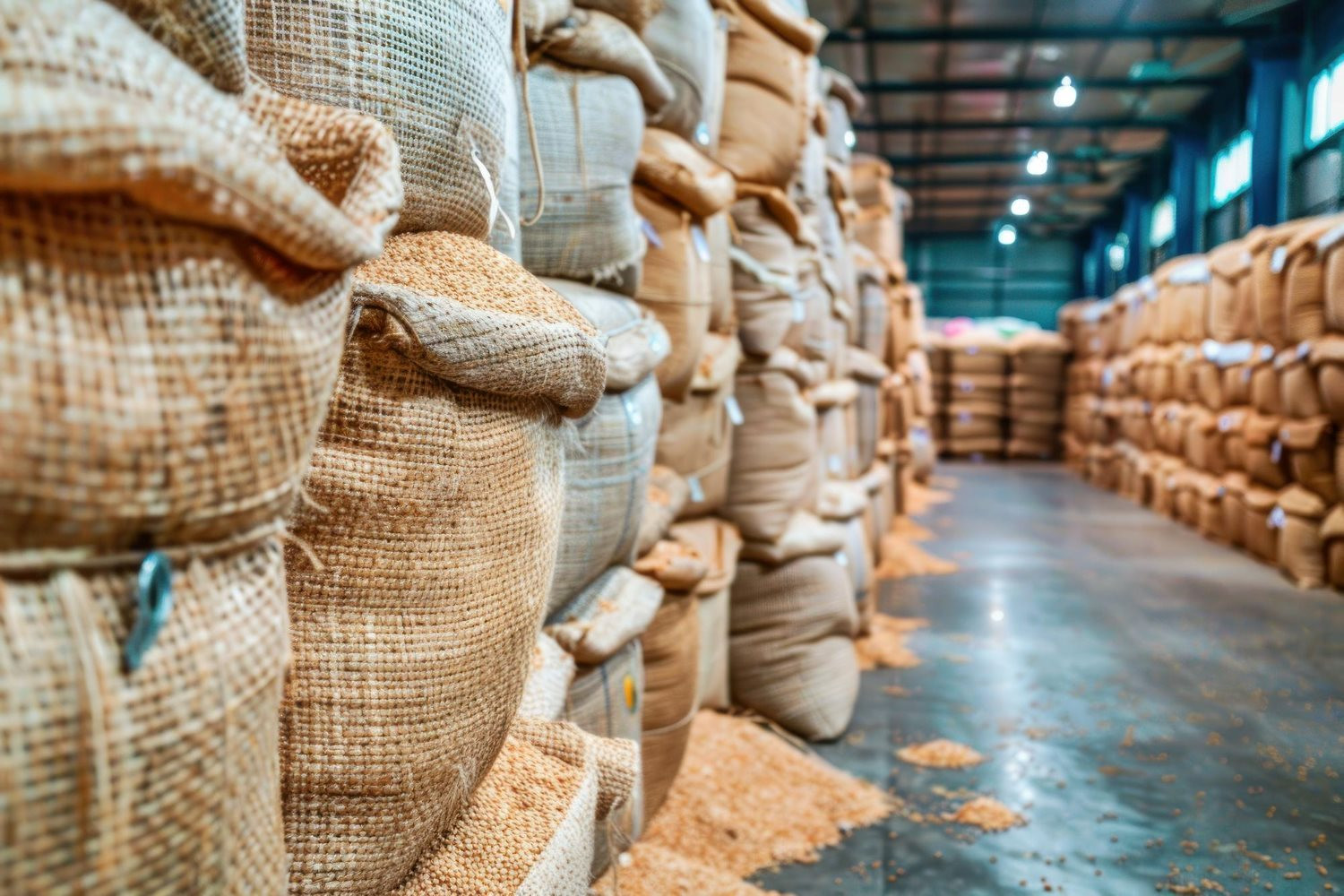
A dedicated production line for every order will be unrealistic for many mills. Processing in separate campaigns, supported by distinct holding areas and clear identification at transfer points, may offer a workable alternative. Changing the sign on a holding area is insufficient if the hopper, conveyor or reusable container still contains material from the previous run. Staff need to examine the physical route followed by the grain and address the places where unnoticed carryover can occur.
Blending to achieve an agreed grade may be acceptable when the contract permits it and the declared product information remains accurate. Combining lots should create a new output lot identifier while preserving its relationship with all inputs. In an illustrative example, lots A and B become blend C; the record for C should show the contribution from both A and B. Retaining only the identifier of A would conceal the transformation and weaken subsequent checks.
|
A well managed lot should answer four questions: where did its material originate, which operations has it passed through, where is it now, and which order will receive it? Splitting or combining lots requires updating those relationships. Clear labels support identification; quality assessment supports acceptance decisions. The two controls complement each other. A traceability code cannot replace the work needed to verify grade, protect the physical separation of material and document the actual contents delivered to the buyer. |
Deliver the correct lot with supporting evidence
FAO traceability guidance describes following food through production, processing and distribution to support identification, location and withdrawal of affected lots. In a rice supply chain, an identifier needs to connect physical goods with their records. Bag markings, dispatch documents and receipt data should agree. A readable code alone does not demonstrate varietal purity or grade: it points to information whose accuracy still depends on reliable handling, documentation and appropriate verification of the underlying material.
Every split, combination or processing event should preserve the relationship between incoming and outgoing lots. Reconcile receipts, dispatches and stock at each stage to identify discrepancies. Finished rice, broken rice, bran, husk and reasonable process losses need to be distinguished when interpreting quantities. A difference in weight is a reason to investigate, rather than automatic proof of unauthorized blending. Records should allow staff to explain the difference using the actual process and measured outputs.
Before loading, the quality team should check the shipment against the order using the agreed sampling procedure. Results need to identify the lot, testing date and responsible party; retained samples should support comparison under the contractual arrangement. A satisfactory result for an earlier lot cannot substitute for assessment of a subsequent one. This is especially important when the incoming source, processing conditions or blending plan has changed since the previous approval was issued.
Transport handover should identify the lots sharing a journey, their loading positions and the condition of bags, labels and seals where used. Material awaiting approval should remain separate to prevent accidental dispatch. If a short shipment is supplemented from another lot, update the records and check compatibility with the order. Merely increasing the total weight on the documents leaves the buyer without an accurate account of what was supplied and undermines the lot structure.

The cost of segregation belongs alongside selling prices, rejection exposure, complaint handling time and the prospect of repeat business. Useful measures include deliveries meeting the agreed grade, instances where goods lose their connection with records, and the time required to establish a lot’s source. These indicators help direct investment toward weak points in equipment, staffing or procedures. They also show whether an apparently efficient aggregation practice creates avoidable costs later in the transaction.
High quality rice needs a disciplined supply chain that preserves the value created in cultivation and processing. Effective segregation makes commitments about source, grade and consistency verifiable at delivery. For suppliers seeking lasting relationships, that ability to substantiate an order is part of the product offered to the market, and a practical foundation for the buyer’s confidence in placing the next order.