When a cyber incident can create a physical consequence
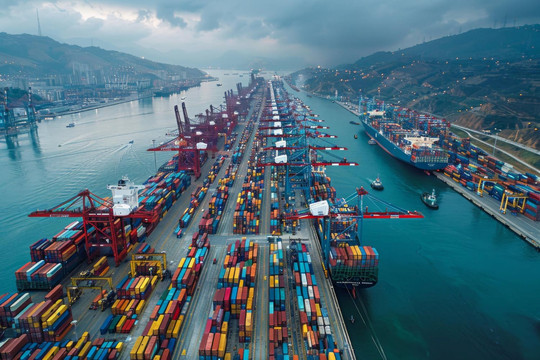
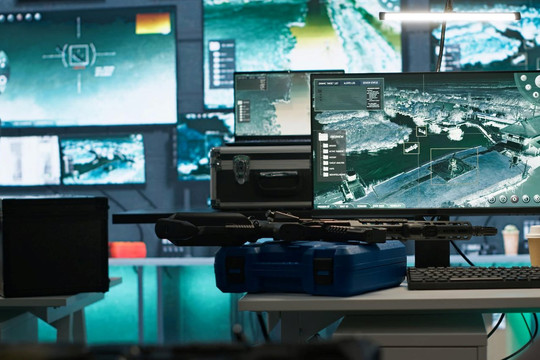
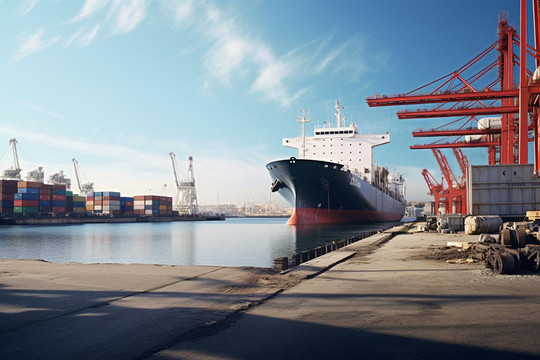
Cyber-physical risk appears whenever digital systems observe or control physical assets. On ships this includes bridge networks, propulsion, power management, ballast, cargo systems and navigation. In ports it includes TOS platforms, gates, crane control, yard equipment, access control, reefer monitoring and truck appointment systems. Weak segmentation can allow an IT compromise to reach OT.
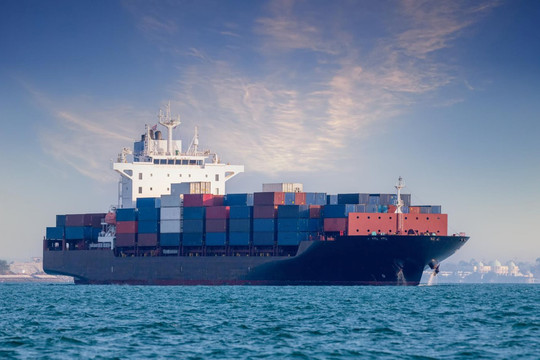
IACS has turned the issue into ship-design requirements. Unified Requirements E26 and E27 have applied to new ships since 1 January 2024, addressing the cyber resilience of ships and of onboard systems and equipment. The objective is broader than protecting information: safety-critical functions need secure integration, isolation, recovery and testing across the vessel lifecycle.
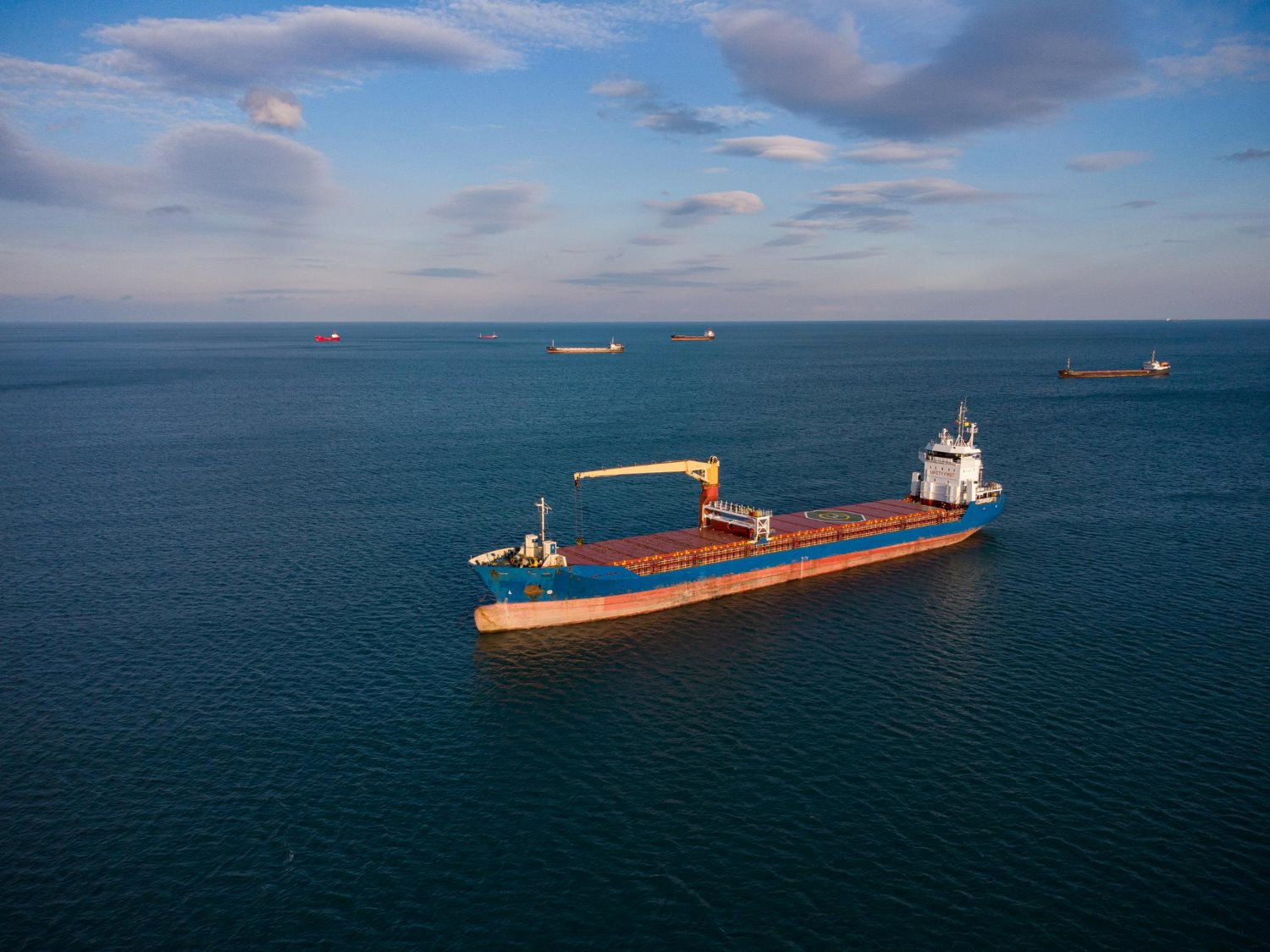
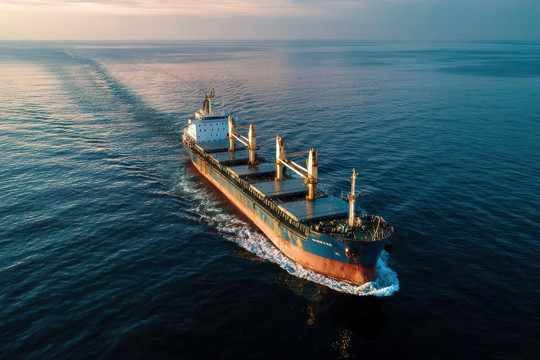
GNSS interference shows that cyber-physical disruption does not have to begin with malware. During 2026, the U.S. Coast Guard Navigation Center continued to receive vessel reports of GPS jamming and spoofing in the Baltic Sea, Red Sea and Arabian Sea. Some crews reported positions jumping to obviously false locations and reverted to terrestrial navigation or dead reckoning.
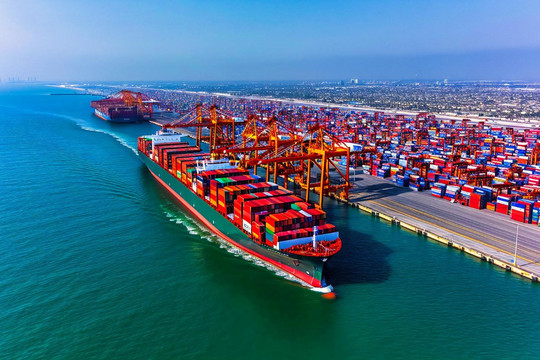
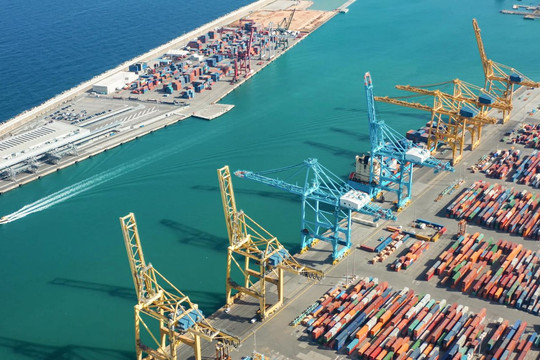
A port can experience the same physical consequence through ransomware or system compromise. If the TOS, gate appointments, container-location database or customs interfaces are unavailable, the cargo is still physically present but the terminal loses the information needed to sequence cranes, admit trucks and release containers. A cyber incident becomes dwell time, congestion and vessel delay.
Automation increases the speed of both operations and failure. A manual error may affect one container; a compromised privileged account can change many bookings, configurations or access rights in minutes. Cyber resilience therefore needs to limit blast radius rather than rely on the assumption that every attack can be prevented.
Separating IT and OT is not enough: the bridge between them must be controlled
Network segmentation remains essential, but operations still require IT and OT to exchange data. TOS platforms need booking information, crane systems need work instructions, vendors need remote access and ships need shore support. The highest-risk points are often the bridges that make this connectivity possible.
Asset visibility is basic. Operators need to know which PLCs, workstations, servers, sensors, remote gateways and software versions exist. OT equipment often has a longer lifecycle than IT, leaving legacy systems that cannot be patched quickly. Without inventory, exposure cannot be managed systematically.
Remote access deserves tight control. Vendors should not keep permanent accounts simply because they once serviced equipment. Access can be time-bound, MFA-protected, session-logged and approved internally. Ship-to-shore connectivity and satellite gateways require the same discipline.
Backups must support operational recovery, not just data recovery. Restoring a database does not help if crane, gate or interface configurations remain inconsistent. Crews also need to understand degraded and manual modes. Recovery planning must define priorities, authority and the minimum safe service that can be maintained.
People are the final bridge. U.S. Coast Guard rules required affected personnel to complete cybersecurity training by 12 January 2026, including OT-specific training for OT users. Engineers, crane operators and gate personnel therefore form part of the cyber-defense layer.
Cyber-physical resilience for ships and ports requires six coordinated layers: complete IT-OT asset inventory; segmentation and controlled bridge points; MFA and time-bound remote access; backups linked to degraded or manual operating procedures; monitoring that can detect anomalous behavior; and recovery exercises involving both IT and operations. The objective is not to guarantee that attacks never occur. It is to limit blast radius so that one digital incident does not become widespread physical paralysis.
Vietnam: The faster ports digitalize, the earlier resilience must be designed
Vietnam is accelerating maritime and port digitalization. In 2026, maritime authorities continued implementing digital-transformation policies while the Ministry of Construction maintained information-security rules and the national digital architecture was updated. The policy process for a revised maritime and inland-waterway code also links modernization with digital transformation.
Digitalization is moving deeper into terminal operations. Saigon Newport continues to expand ePort; Tan Cang-Cai Mep Thi Vai introduced an online vessel-register function in 2026, while Cat Lai deployed a web-based security and safety instruction system. Each digital service removes manual steps but creates new identities and access points to protect.
In March 2026, IMO's Facilitation Committee approved a global maritime digitalization strategy and mandatory cybersecurity measures for Maritime Single Windows. The amendments are expected to move toward adoption in 2027 and entry into force on 1 January 2029. The signal for Vietnam is clear: ship-port-government connectivity needs cyber resilience designed in from the beginning.
Ports can start by mapping IT-OT dependencies. If the TOS fails, which operations fail with it? If the gate server goes offline, is there a tested manual gate procedure? If a crane network is isolated, what safe level of operation remains? If the Maritime Single Window is unavailable, what backup communication path can ships and authorities use?
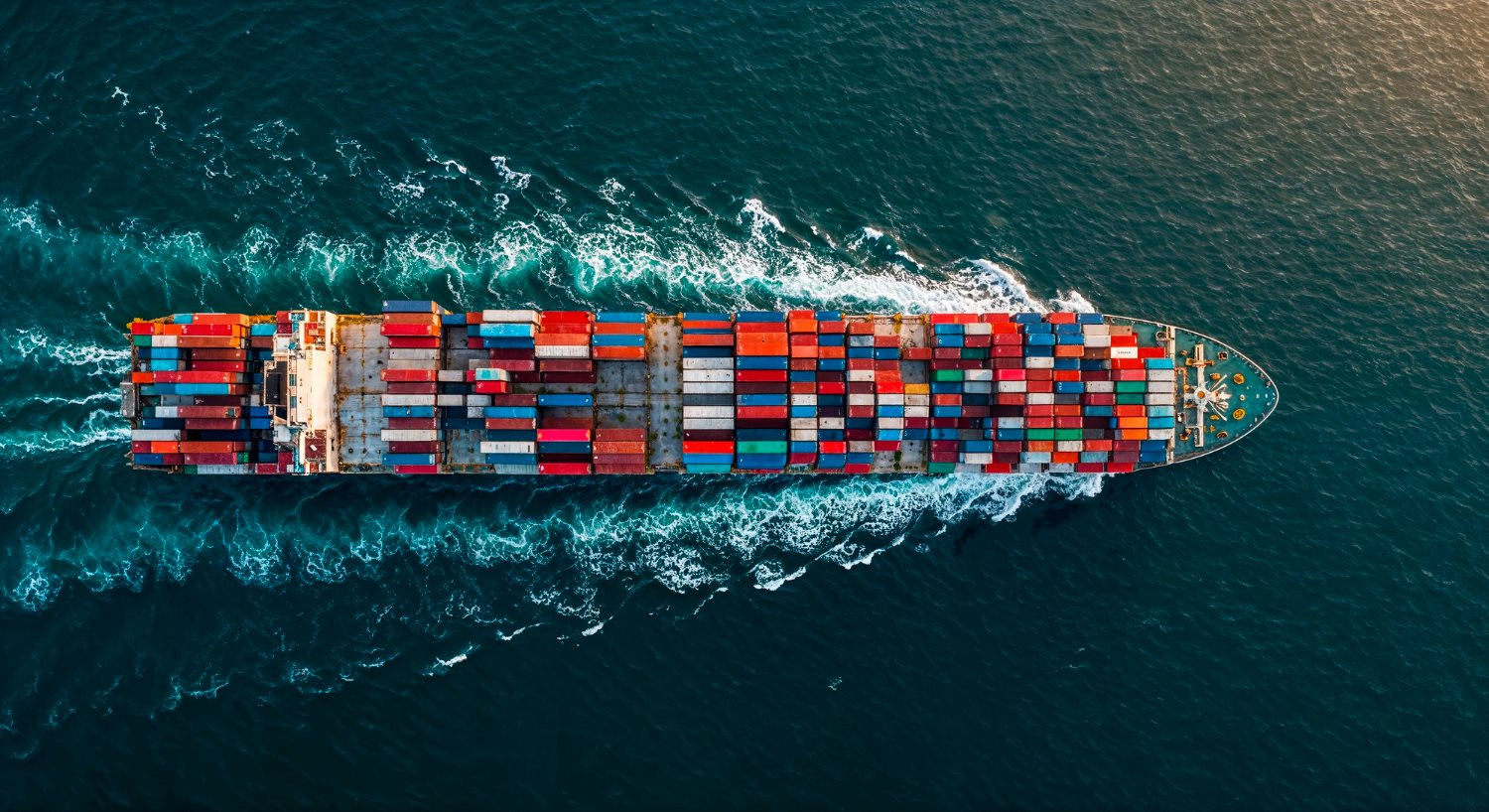
Vietnamese shipping companies face the same issue on bridge and machinery systems. IMO cyber-risk management needs to connect with the Safety Management System, maintenance, vendor access and crew training. GNSS interference also means crews should retain the ability to cross-check position with radar, terrestrial references and independent methods rather than treating one digital source as infallible.
Ports and shipping lines should exercise together. A cyber drill performed only by IT misses the key question: what happens when screens are dark, gates are offline or navigation data is unreliable? Tabletop exercises should include operations, security, carriers, customs interfaces and decision-makers able to shift into degraded operations.
Cyber KPIs should connect with operational KPIs: TOS recovery time, time to switch gates to manual mode, expired remote accounts, OT assets with clear owners and service sustainable during degraded operation. Once resilience is measured in operational language, cybersecurity becomes part of port capability rather than an IT concern.
The smarter ships and ports become, the shorter the distance between the digital and physical worlds. A malicious packet, a compromised account or a spoofed GNSS signal can rapidly become delay, congestion or a safety problem.
The answer is not to choose between digitalization and safety. Maritime logistics needs both: the more it automates, the more deliberately it must design fail-safe behavior, degraded modes and recovery. In the era of smart ports, cyber resilience is not an extra security layer added at the end; it is part of the operating capability itself.