
A financing gap can stop cargo before the truck moves
ADB estimates that the global trade-finance gap remained at USD 2.5 trillion in 2025, equal to about 10% of global trade. Its survey of more than 110 providers found that demand is expected to rise as companies diversify markets and reorganize supply chains. SMEs remain among the most constrained participants, with trade-finance rejection rates still around 41%.
The gap exists because cross-border trade has a natural cash-timing mismatch. Exporters buy materials, pay workers, package goods, arrange freight, insure cargo and sometimes prepay logistics costs before receiving payment from the buyer. Large companies can often absorb that delay on their balance sheets. Smaller firms may find that a large order creates a working-capital requirement larger than their available liquidity.
In Vietnam, IFC notes that suppliers and exporters commonly receive payment only 30 to 60 days after delivery. That period can be long enough to prevent a company from buying the next batch of inputs, booking equipment or paying logistics charges. When large buyers extend payment terms to improve their own cash position, the financing burden moves down the supply chain.

A confirmed purchase order therefore does not automatically mean execution capacity. An exporter with a strong customer but an insufficient credit line may reduce volume, reject urgent orders or choose slower transport simply because it cannot fund a faster option. Logistics decisions can be driven by financing constraints rather than by the best operational plan.
The WTO has described inadequate trade finance as a prohibitive trade cost. When finance is rejected, transactions in developing markets may be reduced or abandoned. The bottleneck can therefore sit before the port gate: the market exists, but liquidity is insufficient to convert demand into a physical shipment.
Trade finance and supply chain finance are moving closer to logistics
Traditional trade finance relies on instruments such as letters of credit, documentary collections, guarantees and working-capital loans. These remain important because they address both payment risk and performance risk in cross-border transactions. But as open-account trade grows and supply chains become more multi-tiered, financing structures also need to evolve.
Supply chain finance uses a different logic. Instead of assessing only the credit profile of a small supplier, a bank or platform can rely on the creditworthiness of an anchor buyer, an approved invoice or a purchase order. Reverse factoring allows suppliers to receive cash after buyer approval of an invoice; pre-shipment finance supports production before delivery; distributor finance improves liquidity downstream.
ADB increasingly points to deep-tier supply chain finance as a way to narrow the financing gap. The concept extends the strength of an anchor company’s credit profile to tier-two and tier-three suppliers that often have limited collateral and thin financial records. When liquidity reaches deeper into the network, resilience no longer depends on each supplier solving its own working-capital problem.
Digitalization is also bringing finance closer to logistics. Electronic invoices, eBLs, proof of delivery, warehouse receipts, customs records and shipment events can provide evidence that a transaction is real and progressing. A container gate-in event, a buyer-approved invoice or customs release can reduce information asymmetry for a financier.
Finance therefore works best when it is designed into the transaction from the beginning. Procurement, logistics and treasury can jointly decide payment terms, Incoterms, booking windows, transport mode and financing structures. Invoice finance may make urgent air freight affordable; lack of liquidity may force sea freight even when production schedules demand speed.
A supply chain with orders but insufficient working capital usually breaks at four points: before production when inputs must be purchased; before shipment when freight, duties or charges are due; after delivery while receivables remain unpaid; and when buyers extend payment terms to optimize their own cash. Trade finance and supply chain finance work best when reliable transaction data connects these four points instead of forcing suppliers to solve each funding gap separately.
Turn the order into cash before turning it into a container
Vietnam's trade structure makes the issue particularly important. In the first eight months of 2026, total merchandise trade reached USD 770.14 billion, with exports of USD 374.84 billion and imports of USD 395.3 billion. The domestic sector accounted for only 19.9% of exports, while foreign-invested companies represented 80.1%, reflecting differences not only in scale but also in access to finance, global buyers and financial networks.
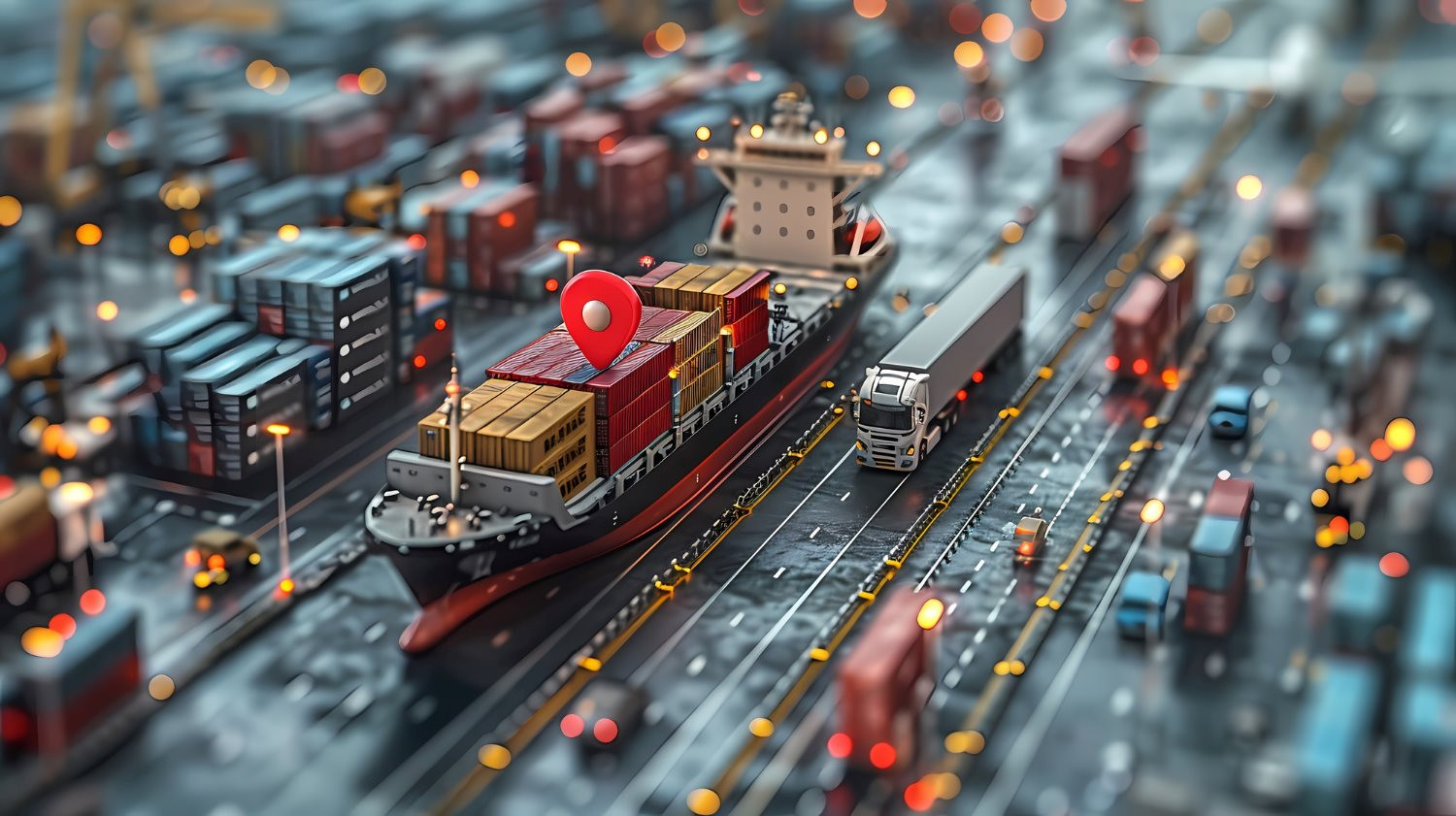
IFC and SECO are implementing the second phase of Vietnam's supply chain finance program with the goal of helping more than half a million SMEs access up to USD 35 billion in working capital. The program addresses a familiar constraint: local suppliers often wait 30 to 60 days for payment after delivery while having to finance production and logistics much earlier.
Development institutions are also expanding financial capacity in 2026. ADB signed a USD 100 million loan with HDBank for MSME finance and mobilized another USD 621 million from 29 commercial banks. The transaction adds substantial funding capacity for a business segment that often struggles to scale.
Additional bank limits, however, are only part of the solution. Companies need data that financiers can trust: clean purchase orders, delivery history, electronic invoices, inventory records, receivables aging, buyer confirmation and shipment status. When this information is fragmented across email, spreadsheets, ERP systems and logistics platforms, verification costs rise and lenders often revert to traditional collateral requirements.
This creates a role for logistics providers. 3PLs and forwarders already hold transaction data such as bookings, gate-in events, container numbers, proof of pickup, customs status, POD and delivery exceptions. If standardized and shared with appropriate controls, this information can help financiers assess transaction risk and shorten financing approval.
Exporters also need to move from emergency borrowing to financing-by-design. Every large order should be mapped to its cash-conversion cycle: how much funding is required before production, at shipment and after delivery; when the receivable arises; what payment term applies; and which financing tool is appropriate. Procurement, finance and logistics should work from the same timeline.
When that happens, trade finance stops being a function outside the supply chain. It becomes infrastructure, much like insurance, customs or visibility. Liquidity can move with the transaction, allowing SMEs to accept larger orders, maintain lead times and protect margins without being constrained by working-capital gaps.
An economy can have efficient ports, good transport links and strong export demand and still lose opportunities if companies cannot finance the journey from order to payment. The trade-finance gap is therefore an invisible logistics bottleneck.
Vietnam's next supply-chain challenge is not only to move goods faster but to make money move with the goods more efficiently. When trade data, logistics data and credit are connected, a purchase order has a much better chance of becoming a container leaving the port instead of remaining an opportunity trapped in a company's inbox.