Pressure and technology-driven solutions

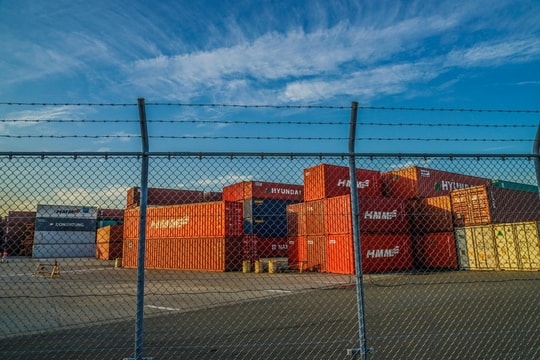
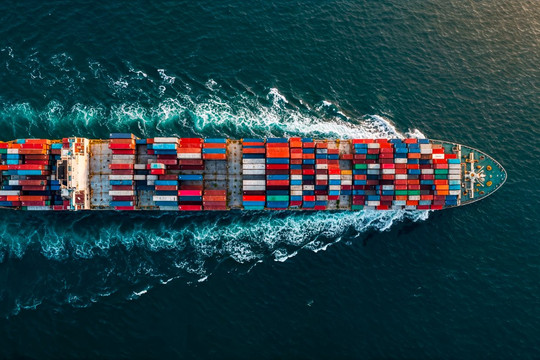
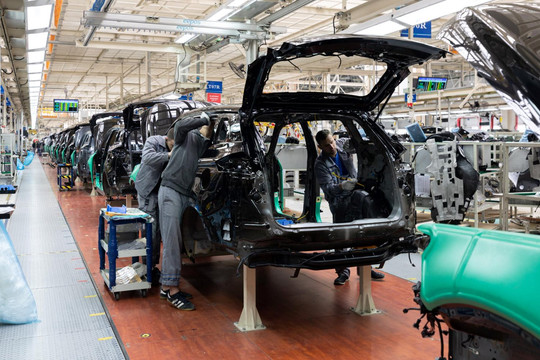
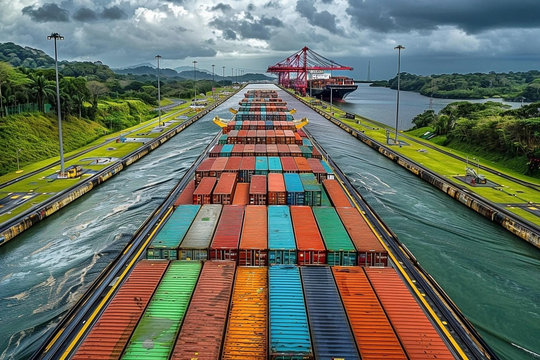
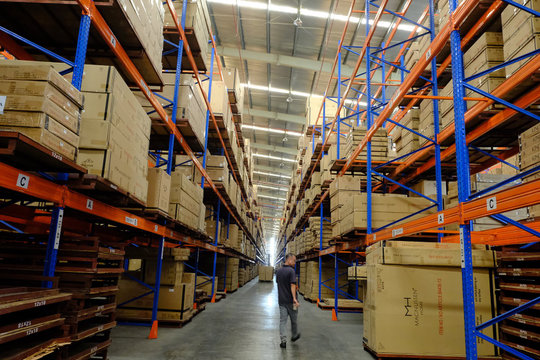
Vietnam’s manufacturing and logistics sectors are facing a difficult challenge: operating costs are rising while international customers are placing increasingly strict demands on speed and quality.

The event will focus deeply on key technology areas such as automated sorting systems, intelligent lifting and handling equipment, and modern warehouse management software solutions.

Breakthroughs with robotics and AGV/AMR systems

No longer merely simple machines, the new generation of AI-integrated robots can learn, optimize travel routes, and coordinate smoothly with human workers. Replacing repetitive manual tasks with automated systems not only helps reduce errors, but also creates a more sustainable and greener operating process—gold-standard requirements for Vietnamese enterprises seeking deeper participation in global value chains.

Direct connection with industry giants

Backed by Hannover Messe, LET-a CeMAT ASIA 2026 attracts leading brands such as Heli, Hangcha, Linde, Jungheinrich, and others. Meeting these manufacturers directly enables Vietnamese enterprises to bypass intermediary layers, access original pricing, and receive tailored solution consulting. The exhibition will also host more than 50 specialized forums on “smart supply,” where CEOs can learn practical lessons on change management and effective technology adoption.

Bài liên quan

(0) Bình luận
  • Electric trucks and the total cost of fleet ownership
    Electric trucks can lower energy expenditure, but a purchase decision needs to consider the full period of vehicle use. Acquisition cost, charging infrastructure, carrying capacity and completed trips all influence the result. For Vietnamese operators, a sound business case starts with the transport assignment and fleet records. The vehicle model should follow that assessment, supported by an operating plan that can deliver the required service consistently.
  • Container Charges and the Basis for Resolving Disputes
    A container charge can be mathematically correct while its contractual basis or the practical ability to return equipment remains disputed. Importers and exporters should therefore manage these costs through clear terms and shipment records. Once a disagreement arises, a documented sequence of events is more useful than a general statement that a terminal was congested. The objective is to explain which charges arose, why they arose, and which specific items require adjustment.
  • Finished Vehicles from Car Carrier to Dealership
    A finished vehicle still passes through several operations before reaching its dealer: unloading from the vessel, entering a storage yard, inspection, clearance for dispatch and onward transport. Each movement needs to preserve the vehicle’s identity and condition. Effective distribution therefore depends on coordinating vessel schedules, yard capacity and dealer receiving arrangements, together with a handover record that follows the vehicle throughout its journey.
  • Cut Flowers and the Value of Time after Harvest
    A flower delivery can arrive on time and still miss the customer’s needs if buds fail to open for the occasion or stems wilt soon after arranging. Cut flower transport schedules need to reflect cultivar, opening stage and remaining display life. Managing the interval from cutting to the buyer helps businesses protect both quality and order value. The relevant outcome extends beyond completing a delivery to how the flowers perform in use.
  • Empty containers and the cost of unbalanced cargo flows
    An export shipment can be ready while its shipper is still waiting for a suitable container. Elsewhere, empty equipment occupies depot space and needs to be moved to the loading location. The mismatch between where containers become available and where they are required creates repositioning costs. Reducing those costs requires import unloading, equipment release and export loading to be planned together.
  • High Quality Rice Supply Chains and Lot Segregation
    The value of high quality rice rests on more than a variety name or attractive packaging. Buyers also need the agreed grade, a verifiable source and consistency across deliveries. As procurement, processing and transport bring together material from different origins, lot segregation becomes a practical way to protect commercial commitments. The crucial question is whether the product delivered still matches the promise made when the order was accepted.
Nổi bật Tạp chí Vietnam Logistics Review
Đừng bỏ lỡ
Smart Logistics and Industrial Robotics: The “Key” to Cost Optimization for Domestic Enterprises
POWERED BY ONECMS - A PRODUCT OF NEKO