
Behind this organizational change is a larger shift from location-based, distributed processing toward centralized management built on a common data flow.
From multiple processing points to one professional hub
Under a traditional model, customs procedures are closely associated with the place where cargo is located and with individual border customs units. When the same company uses multiple ports or customs regimes, processing practices and response times can vary. Centralized clearance seeks to separate two activities that have long been bundled together: documentary processing and physical control.
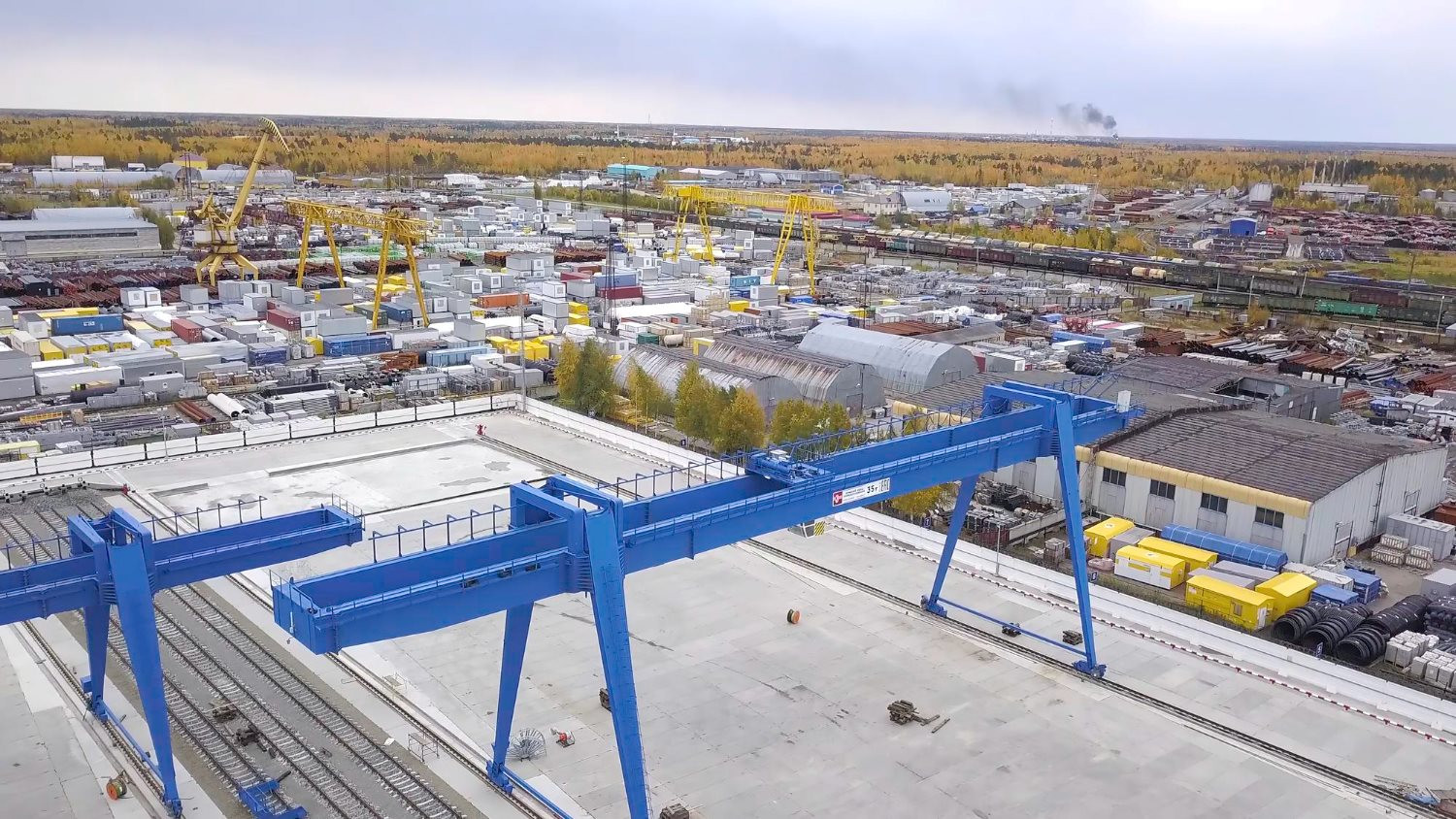
At Customs Sub-department Region III, declarations and documentary checks are handled by the centralized Clearance Team at 1328 Nguyen Binh Khiem Street in Hai Phong. Port customs units concentrate on physical inspections, supervision and control of goods under customs oversight. For companies, the most visible change is a single documentary-processing point instead of multiple customs offices.
Vietnam Customs has described five core objectives: centralizing professional processing; ensuring consistent application of law and procedures; reducing business time and cost; improving risk management and revenue collection; and accelerating technology adoption. This is therefore not simply an organizational reshuffle. It is an attempt to create deeper specialization around high-volume documentary work.
Early results are measurable. After the first month, the centralized team had handled 45,425 declarations, with average clearance time for yellow-channel declarations falling by roughly 12-19%. By mid-July 2026, more than 64,000 declarations had been processed and average clearance time across the sub-department was reported to be about 16% lower than before the pilot.
Consistency may be as important as speed. When similar files are handled by one specialist unit, Customs can develop deeper expertise, reduce differences in interpretation and accumulate a larger data pool for risk analysis. This is a foundation for moving beyond the electronic submission of forms toward genuine data-driven customs management.
One data flow matters more than one physical location
Centralized clearance only creates a structural advantage if data is also centralized and reusable. Vietnam's Ministry of Finance says the Hai Phong pilot is being implemented together with comprehensive digitization of supporting customs documents. Documents that have already been digitized generally do not need to be resubmitted as digitally signed scans or paper copies unless a compliance concern arises.
The logic is closely related to, but distinct from, a Single Window. A Single Window allows traders to submit regulatory information through one entry point for multiple border agencies. Hai Phong's centralized-clearance pilot currently concentrates processing within Customs itself. The two concepts are complementary: one reduces the number of government interfaces, while the other reduces repeated processing inside a customs organization.
Internationally, the WCO Data Model provides a common language for cross-border trade information. Version 4.3.0, released in July 2026, added JSON tags, broader support for digital documents and new information packages. For centralized clearance, the implication is straightforward: a single processing center works best when data from traders, ports, border offices and regulatory agencies is structured consistently and can be read by machines.
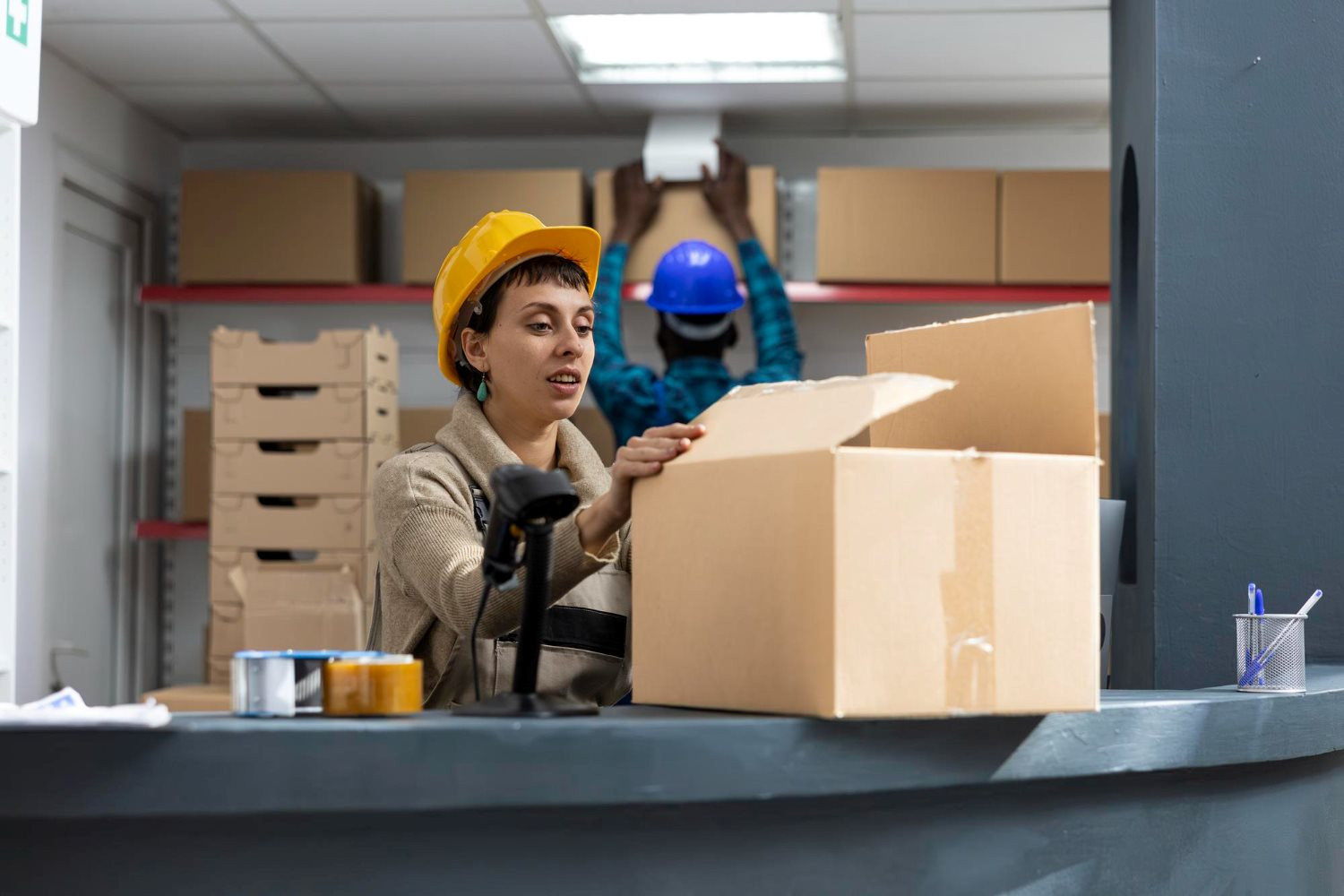
The European Union's Centralised Clearance for Import applies a similar principle at a cross-border level. Authorized businesses may lodge a declaration with the supervising customs office in the Member State where they are established while the goods are physically presented to customs in another Member State. Digital systems coordinate declaration processing and physical release, demonstrating that the place where data is processed can increasingly be separated from the place where cargo is located.
This changes how digital-customs performance should be measured. The most meaningful KPIs are not only the percentage of declarations filed online, but also the reuse rate of existing data, the number of repeated data entries required from businesses, exception-processing time, consistency across customs units and the ability of risk systems to identify cases that truly require intervention.
Centralized clearance creates value only when four layers work together: a sufficiently specialized processing hub; reusable digital records instead of repeated document submission; risk-based controls that direct attention to the right shipments; and seamless coordination between the processing center and the border office where the goods are physically located. If officers are merely moved into one building while data remains fragmented, the result is centralized location rather than centralized management.
Hai Phong is a test of the smart-customs model
Hai Phong was selected because it is one of Vietnam's largest seaport and trade gateways, with high declaration volumes, a complex port network and a large logistics ecosystem. Customs Sub-department Region III assigned 89 officers to the centralized team and conducted extensive training and business guidance before launch.
Another important element is the paperless and low-contact approach. Customs intends most communication with declarants to take place through digital systems, including many consultation activities. This can reduce travel and administrative cost while limiting unnecessary face-to-face discretion. The model also supports a broader shift from controls during clearance toward post-clearance audit, consistent with compliance- and risk-based management.
By September 2026, Vietnam Customs was describing the Hai Phong pilot as a foundation for further refinement and possible replication. The important questions now go beyond speed: whether legal interpretation becomes more consistent, whether risk targeting improves, and whether separating documentary work from the physical border clarifies accountability across the process.
Logistics companies also need to adjust. Master data, declaration-unit codes, payment accounts, digital supporting documents, user permissions and workflows for responding to customs requests all need tighter governance. When Customs processes documents centrally, data errors from traders can also be detected more quickly and consistently.
Over time, the greatest potential may come from linking centralized clearance with digital ports, smart borders, the National Single Window, customs risk-management systems and logistics data platforms. Once a declaration is no longer tied to one counter or one physical customs office, resources can be allocated according to risk and workload rather than administrative geography.
Centralized clearance shows that customs digitalization is not simply about placing more forms online. It is about redesigning where data enters the system, how declarations are processed and how documentary decisions are coordinated with cargo in the physical world.
One processing point becomes powerful only when it is supported by one coherent data flow. If the Hai Phong pilot proves that centralized clearance can be faster, more consistent and equally or more effective in controlling risk, it can become an important foundation for Vietnam's transition from electronic customs toward truly digital and smart customs.