A smart border is more than an automated vehicle lane
A smart border is not created by cameras, automated barriers or a few driverless trucks alone. Its value comes from multiple technology and process layers operating as one system: vehicle identification, driver verification, pre-arrival cargo data, risk management, specialised inspections, weighing and scanning, yard orchestration and data exchange between the two sides of the border.
The World Bank emphasized in 2026 that efficient borders reduce trade time and cost, while digitalization enables traders to submit documents electronically, track shipments and understand requirements in advance. For border agencies, better data sharing supports risk-based targeting so that higher-risk shipments receive more attention while compliant cargo can move faster. Smart borders therefore do not remove controls; they make controls more selective.
The World Customs Organization is also advancing its Smart Customs Project, where AI and machine learning, blockchain, cloud computing and interoperability are major themes. In July 2026, the WCO Council approved an updated Study Report on Disruptive Technologies, while WCO Data Model 4.3.0 expanded machine-readable formats, JSON support and digital-document capabilities. Much of the intelligence of a smart border therefore sits in data standards rather than visible hardware.
Friendship Pass on the Chinese side provides a practical example. In early 2026, Youyiguan upgraded its clearance system to reduce vehicle processing time. Earlier smart-gate functions had already integrated identity verification, temperature checks, licence-plate recognition and electronic filing, allowing trucks to complete initial steps rapidly before entering the main customs process.
When data moves before the vehicle
In a traditional process, data often arrives with or after the truck: the driver carries documents, companies provide additional files, authorities re-enter information and only then decide whether further inspection is needed. A smart border changes the sequence. Booking data, manifests, vehicle and driver details, cargo information, quarantine records and permits can be submitted before the vehicle reaches the barrier.
When data arrives early and is reliable, authorities can pre-assess risk. Trucks from consistently compliant operators with coherent documentation and low-risk cargo can move toward faster channels, while anomalies are directed to scanning or deeper inspection. The biggest gain may be lower variability in waiting time, because uncertainty is often more difficult for supply chains to manage than a fixed fee.
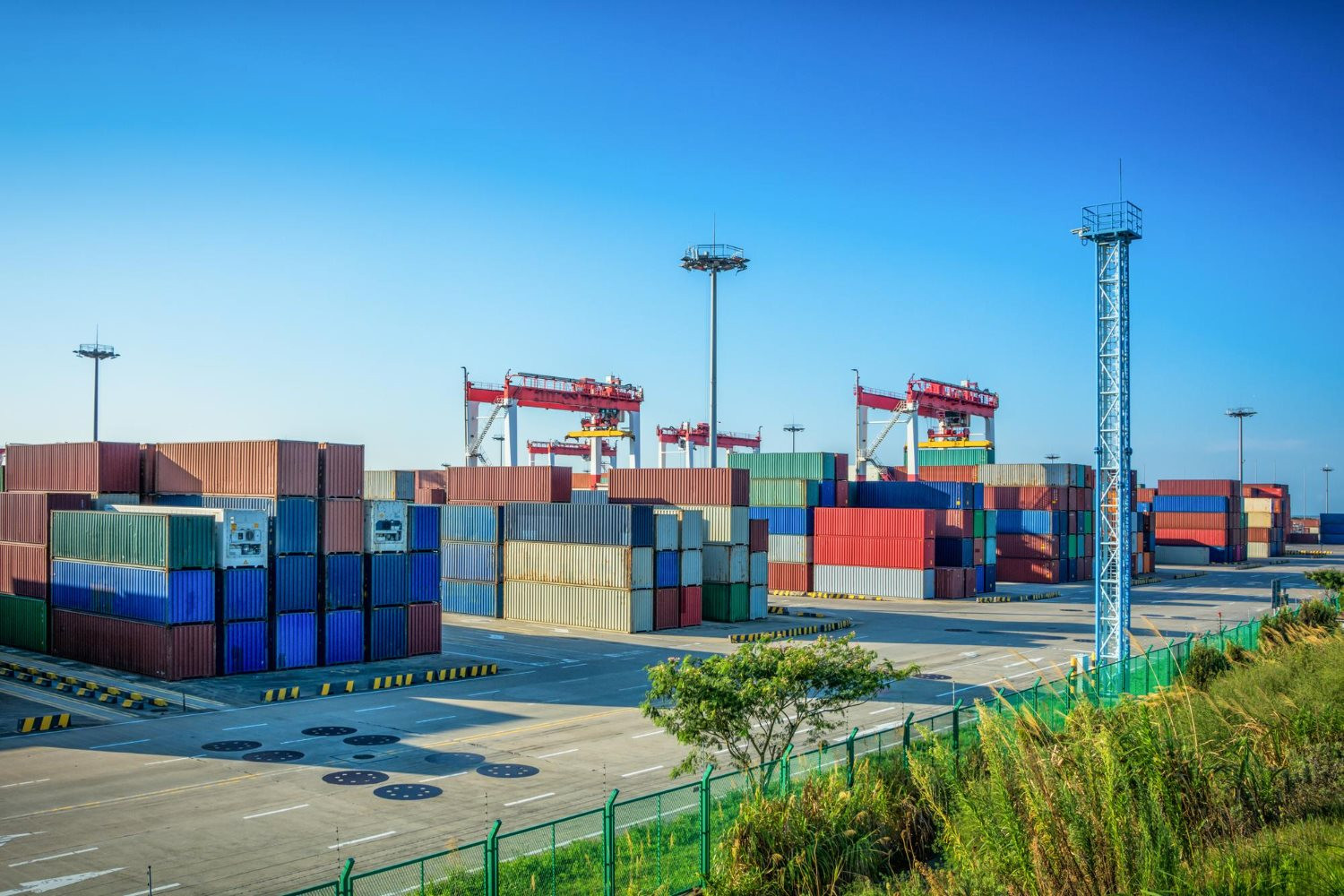
AI cameras and computer vision can identify licence plates, container numbers, seals, vehicle categories and unusual behaviour. Sensors and automated weighing add physical data. 5G provides low-latency connectivity for mobile equipment, cameras and autonomous vehicles. But these components create real value only when they share common identifiers and exchange data with customs, border guards, quarantine agencies, yards and company systems.
Digital dependence also creates new vulnerabilities. The more a border relies on data, the more cybersecurity becomes operating infrastructure. An identity mismatch, network outage, cyberattack or inconsistent cross-border data can stop large numbers of vehicles at once. Smart-border architecture therefore needs redundancy, clear access rights, audit trails, strong authentication and fallback procedures when digital systems fail.
For logistics companies, readiness should begin with master data rather than the driver's cab. Licence plates, container serial numbers, company IDs, driver records, HS codes, permits and appointment data must be correct at source. An automated border can move only as quickly as the quality of the data it receives.
A smart border can be viewed as a five-layer architecture: vehicle and cargo identity; pre-arrival data; AI and risk management; connected 5G, camera and sensor infrastructure; and physical orchestration through barriers, lanes, yards or autonomous vehicles. A sixth layer surrounds them all: cybersecurity and resilience. If data is not interoperable, timely and trustworthy, modern equipment merely accelerates old procedures rather than creating a genuinely smart border.
Lang Son: From technology pilots to redesigned cargo flows
Vietnam now has a concrete smart-border pilot at the Huu Nghi-Youyiguan crossing and the Tan Thanh-Puzhai freight route. Decision 865/QD-TTg sets an objective of increasing clearance capacity on the two dedicated cargo routes by two to three times by 2027 and four to five times by 2030 compared with the initial baseline. The period from the third quarter of 2026 to the third quarter of 2029 is designated for pilot operation.
By August 2026, Lang Son had divided the implementation into specific workstreams: completing infrastructure, establishing data-sharing mechanisms and 5G coverage, developing new customs and supervision procedures, procuring specialised equipment, finalising health-quarantine processes, strengthening cybersecurity and preparing temporary registration and operating rules for intelligent guided vehicles, including AGV and IGV systems. The project is therefore combining physical, digital and regulatory design.
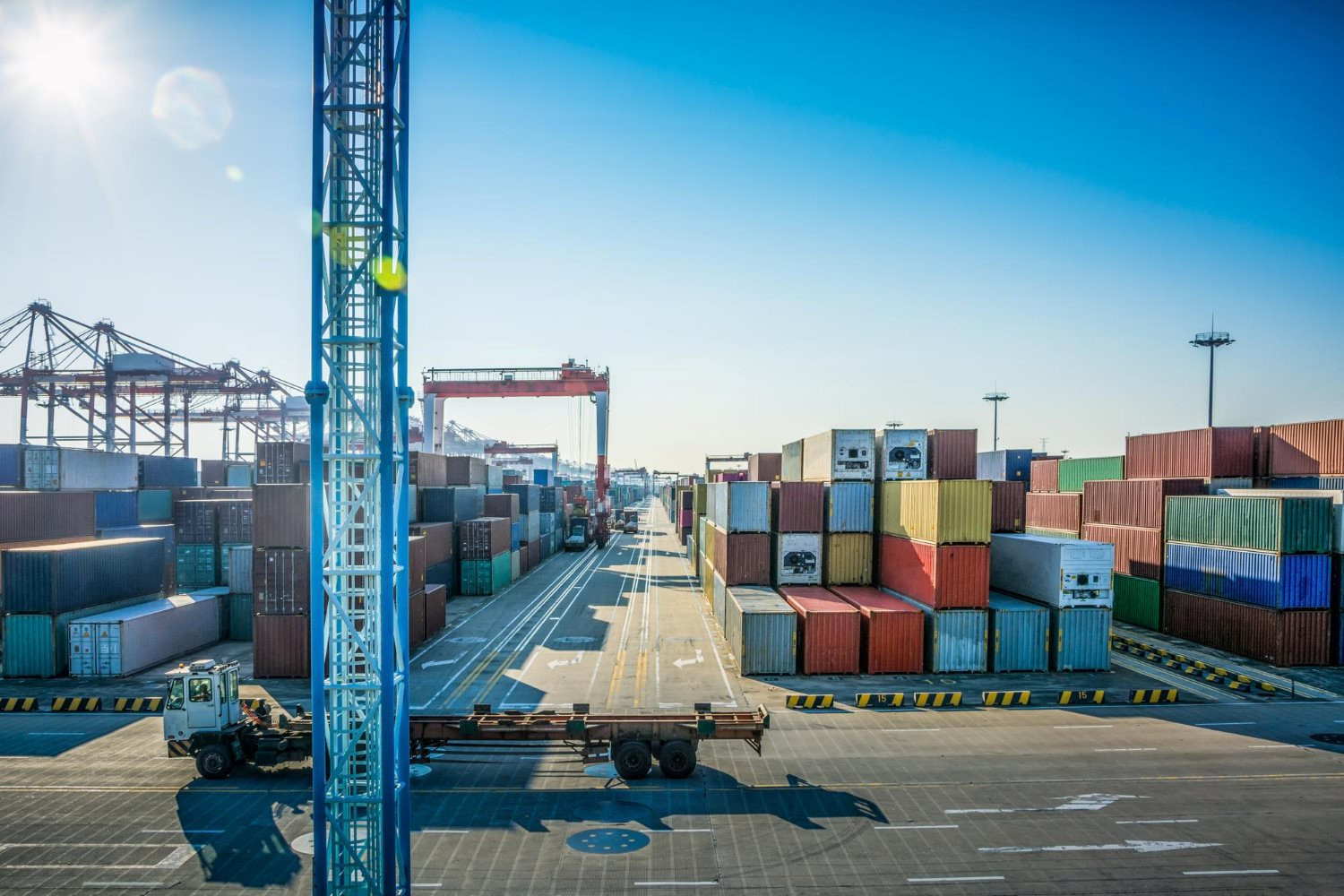
The Chinese side has already moved into operational automation. At the end of 2025, the Puzhai-Tan Thanh smart-port section launched six driverless container trucks carrying electronic goods on an enclosed route of about 2.4 kilometres. The system uses BeiDou positioning and vehicle-road-cloud networking, with the Chinese side announcing a designed daily clearance capacity of around 2,880 vehicle trips when fully operational.
The most important element in Lang Son is not the autonomous truck itself. If both sides can connect identifiers, documents, vehicle status, inspection results and delivery schedules, the border can move from being a place where procedures begin to a place where a process that started earlier is confirmed. That is the deeper logistics transformation.
Vietnam is also extending the idea. In March 2026, Lao Cai began implementing smart-border projects at Kim Thanh and Ban Vuoc, including work on fully automated transport, IT infrastructure and national and international data exchange. Smart borders could therefore become a broader development direction for Vietnam-China trade corridors rather than remain a single local pilot.
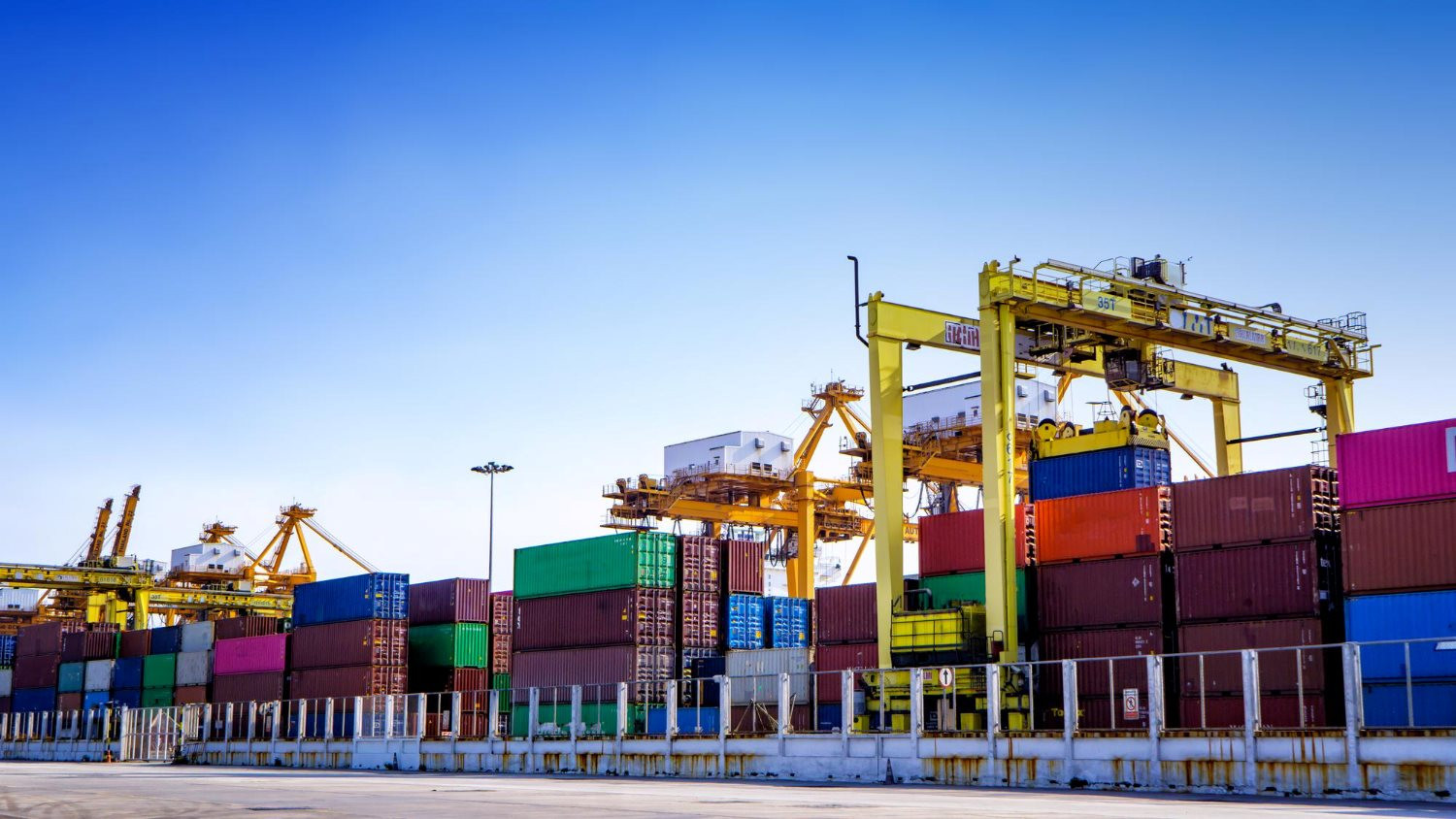
A smart border does not make the border disappear. It makes border management start earlier, operate with better data and apply controls more selectively. When documentation is processed in advance, risk is assessed before arrival and vehicle flows are orchestrated ahead of time, the border can shift from “waiting to be processed” toward “passing through a process that has already been prepared”.
For logistics, that transformation matters more than whether a particular truck has a driver. When data learns to move first and the system learns to orchestrate itself, cargo flows truly begin to “move on their own” - and border capability becomes part of a country's supply-chain competitiveness.