One degree of deviation does not mean the same thing in every case
The biggest cold-chain mistake is to treat all excursions as equivalent. Product impact depends on the medicine, the temperature reached, exposure duration, previous excursions and the manufacturer's stability data. A vaccine briefly exceeding 8°C cannot be assessed in the same way as a biologic that freezes or a shipment that loses temperature control for many hours.
WHO guidance states that temperature excursions during transport require a risk assessment so that an informed decision can be made about the fate of the products. A data logger is therefore not merely a compliance accessory. It provides evidence for quality teams deciding whether a shipment can be released, quarantined or referred to the manufacturer.

IATA's Temperature Control Regulations place time- and temperature-sensitive healthcare cargo under dedicated controls. The Time and Temperature Sensitive Label is mandatory for shipments booked under that category, while airlines and ground handlers use a standard acceptance checklist to verify minimum handling requirements before transport.
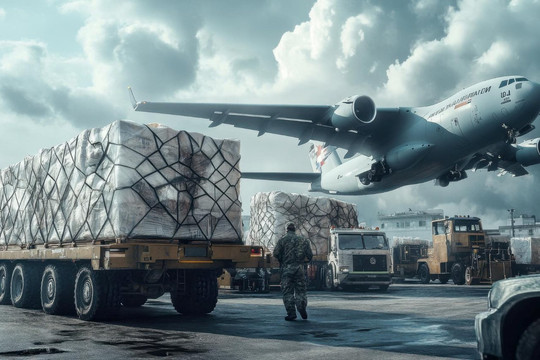
The entire lane matters. A shipment may stay within range in the aircraft yet deviate while waiting on the apron, during acceptance, transfer between facilities or customs clearance. Lane qualification needs to examine these ground segments because they often contain the longest uncontrolled dwell times.
Temperature mapping also needs to be maintained. WHO updated its cold-chain temperature-mapping tool in 2026, reinforcing the need to understand temperature distribution across three-dimensional storage spaces. A room labelled 2–8°C can still contain hot spots, cold spots or areas near doors that behave differently after layout or airflow changes.
A reliable cold chain is a chain of evidence, not only a chain of equipment
A mature system begins with packaging qualification and route profiling. Active containers, passive shippers, gel packs, phase-change materials or dry ice need to match the product profile, expected transit time and climate. A package validated for 72 hours is not necessarily safe on a nominal 72-hour lane if real disruption can add another day.
Route qualification maps every handover: trucking to the airport, cut-off, terminal dwell, tarmac exposure, connection risk, customs clearance and final delivery. IATA CEIV Pharma treats route planning, temperature mapping, calibration, quarantine, supplier management and self-inspection as core components of a pharmaceutical logistics quality system.
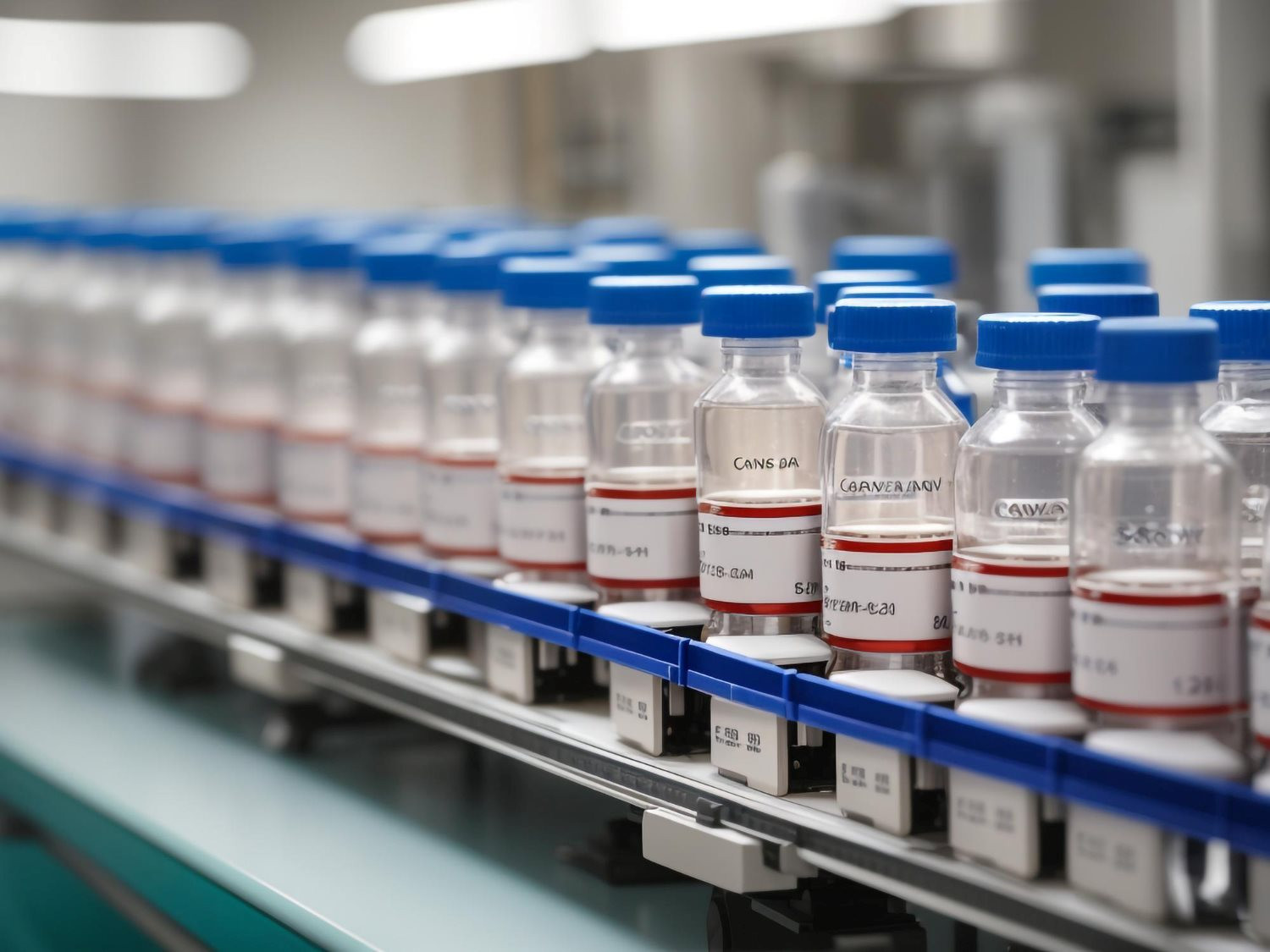
Data loggers and sensors make the evidence chain increasingly detailed. Yet temperature data is useful only when timestamp, device identity, calibration status and shipment reference remain linked. A CSV file separated from its AWB or shipment ID can contain thousands of readings but still provide weak investigation value.
When an excursion occurs, the first action should normally be quarantine rather than automatic disposal. The quality team needs to verify logger reliability, sensor position, duration and magnitude, then compare the event with the approved stability profile. Root Cause Analysis and CAPA can then determine whether the failure came from packaging, storage, handling, flight disruption or handover.
This is why a cold-chain SLA should not simply promise '2–8°C'. It should define who pre-conditions packaging, who activates loggers, who downloads the data, which thresholds trigger alarms, how fast escalation occurs, and who has authority to release or hold the shipment. Quality is protected best when decision rights are defined before something goes wrong.
A pharmaceutical cold-chain shipment is controlled only when five types of evidence remain connected: the approved temperature range; packaging qualification; route profile; calibrated monitoring data; and the excursion decision record. Without one of these links, a company may know that cargo was 'kept cold' but still be unable to prove product quality. The real logistics value lies in demonstrating continuous storage conditions and managing every abnormal minute with a documented quality decision.
Cold-chain capability must grow with biopharma capability
Vietnam's need for pharmaceutical cold-chain capacity is rising with vaccines, biologics and domestic biopharmaceutical production. A major manufacturing complex in Ho Chi Minh City was designed with about 10,000 square meters of 15–25°C storage, 1,000 square meters at 2–8°C and 7,000 square meters of deep-freeze capacity at -35°C. As production expands, outbound cold chain becomes an extension of GMP.
Import procedures already place logistics evidence directly inside the quality file. For imported vaccines and certain biological products, Vietnam requires temperature-condition data recorded during transport, including freeze-indicator results where applicable. Temperature history is therefore not supplemental information; it is part of the evidence used to assess a batch.
Operational networks are also scaling. In 2026, VNVC reported nearly 300 vaccination centers, almost 300 on-site cold stores and more than 40 dedicated refrigerated vehicles, supported by regional distribution hubs. The network illustrates an important quality principle: shorter distance and greater redundancy reduce exposure time and make recovery easier when disruption occurs.
Infrastructure alone, however, is not enough. Pharmaceutical companies, 3PLs and airlines need common data standards for loggers, alarms, proof of delivery and excursion records. If warehouses, trucks and airlines each maintain separate portals, quality teams lose valuable time reconstructing the event sequence before deciding whether a batch can be released.
Vietnam can also develop more end-to-end qualified pharma lanes rather than relying only on airport cold rooms. A qualified lane needs GDP or GSP trucking, controlled acceptance, storage, tarmac procedures, flight connection, customs and final delivery. Every handover needs a clear owner and a reliable timestamp.
Another opportunity lies in pharmaceutical control towers. A 3PL can combine temperature signals, ETA, flight disruption, customs holds and delivery appointments on one operational view. When risk increases, teams can activate re-icing, switch flights, prioritize customs or reposition active containers before an excursion becomes a product loss.
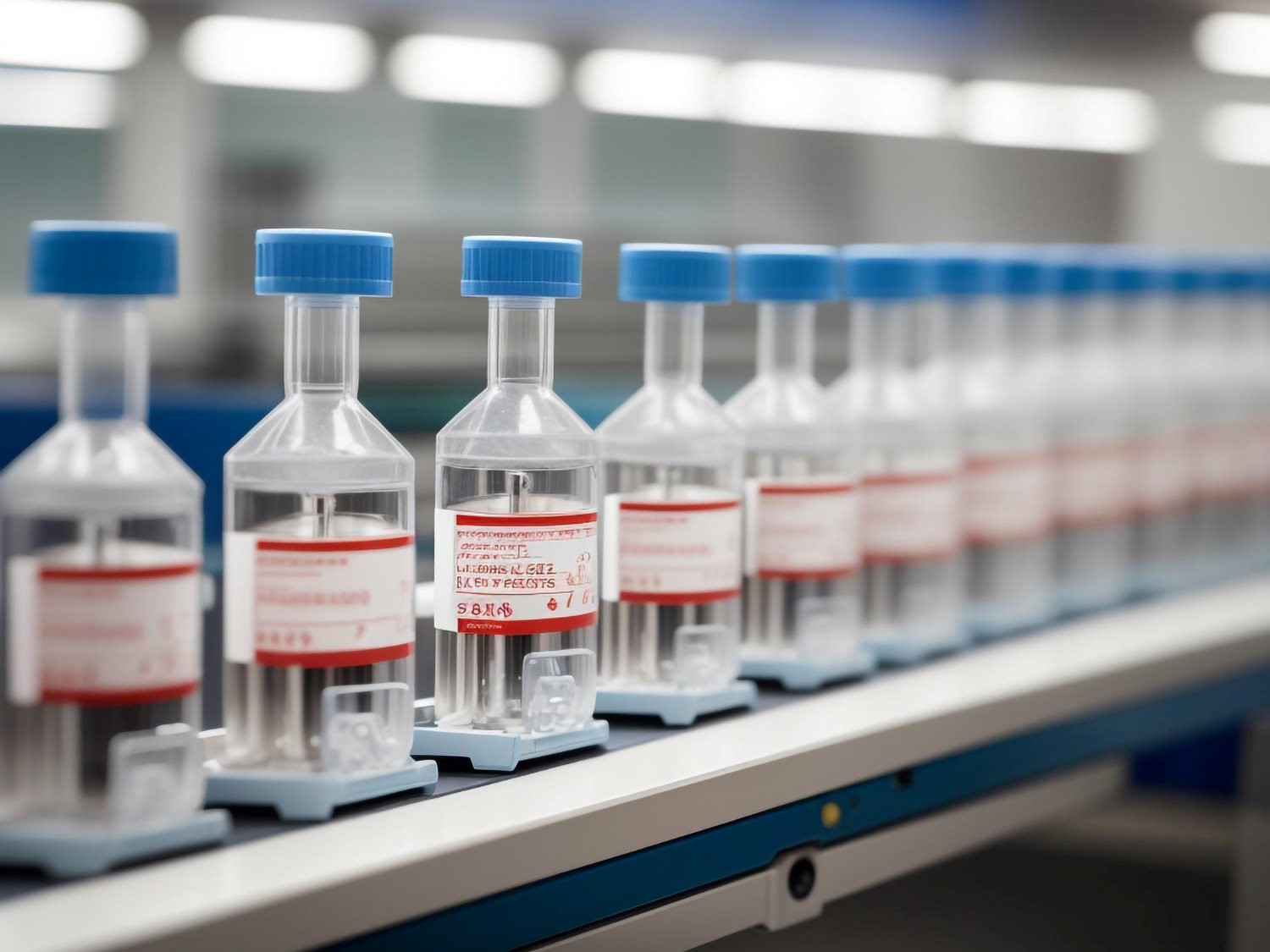
People remain the final quality layer. Warehouse staff, drivers, ramp teams, forwarders and customer-service personnel need to understand that pharmaceutical cold chain is not general cargo with refrigeration added. Once every operator understands why an open door, a pallet left on the apron or an inactive logger can affect batch disposition, cold chain becomes a genuine quality system.
Cold-chain pharmaceuticals show how far logistics has moved beyond transportation. Product quality may be created in the factory, but it must be preserved through every handling step, every handover and every minute of the journey.
For Vietnam, cold-chain logistics capability will increasingly support vaccines, biologics and modern healthcare. The strongest provider will not simply be the one with the most cold rooms, but the one that can prove that product quality remained intact from factory release to the patient.