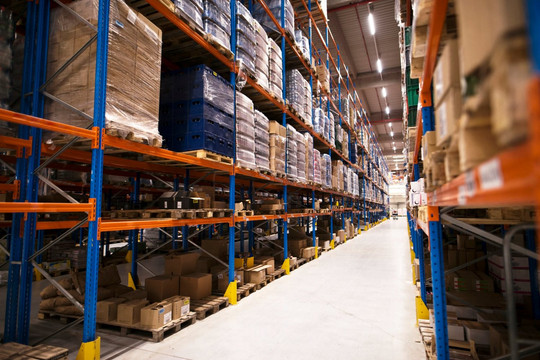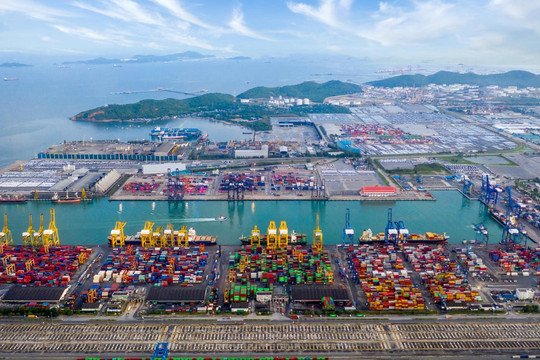
Before 2015, collecting an import container at Tan Cang–Cat Lai Port typically took two to three hours. Following SNP's pioneering implementation of the TOPOVN terminal operating system and online procedures through its ePort electronic port platform, this process was shortened to just 50 minutes. The improvement demonstrates the tangible benefits of technology when applied to real operational challenges within the supply chain.
Over the past two decades, SNP's digital transformation journey has centered on three objectives: transforming its business model, modernizing technological infrastructure, and developing human resources. People remain the decisive factor and the cornerstone of this transformation.
As the global maritime industry works toward net-zero emissions and the establishment of green shipping corridors, the integration of these three elements provides SNP with a foundation to optimize resources, improve service quality, and translate its sustainable development ambitions into reality.
Laying the Technological Foundations
In the mid-2000s, most port operating procedures still relied heavily on paper documentation and face-to-face interactions. Container control, administrative processing, and cargo delivery coordination required the involvement of multiple departments, placing considerable pressure on operational accuracy and efficiency as cargo volumes increased.
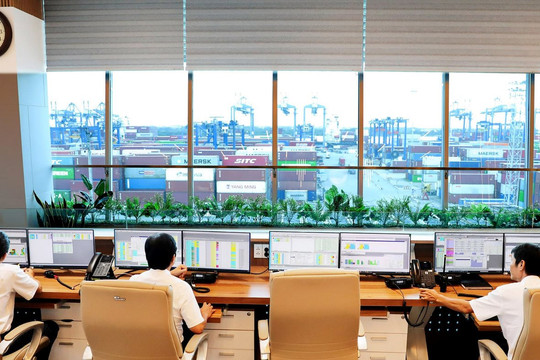
In 2008, SNP officially launched TOPX, a real-time container operations management system, at Tan Cang–Cat Lai Port. Integrated with the Container Management System (CMS), TOPX formed a comprehensive solution linking on-site operations with container management processes.
This marked the beginning of a series of port management and operational applications that would continue to expand, gradually shifting port operations toward data-driven management and improving coordination across the system.
By 2015, recognizing the limitations of CMS, SNP worked with TCIS to develop and migrate to the TOPOVN software platform. This milestone increased vessel-handling productivity by 12% while reducing container delivery and receipt times in the yard by more than half.
Beyond these operational improvements, the development of TOPOVN enabled SNP to progressively gain control over its core technologies, independently upgrade system functionalities in response to operational requirements, and expand deployment across its port and logistics facilities.
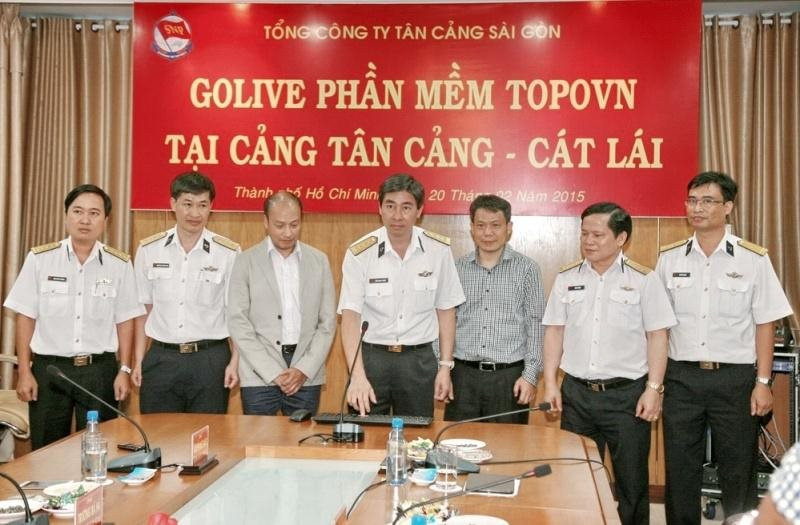
The benefits of digital transformation became increasingly evident: cargo owners could collect their shipments more quickly, while the port could handle greater volumes through the same operating platform.
However, digitizing individual processes addressed only part of the challenge. In practice, seamless information connectivity across the entire supply chain became essential to maximizing overall efficiency.
Integrating Data to Enhance the Customer Experience
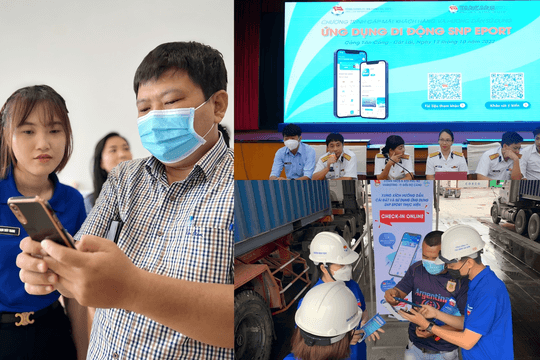
In 2016, Tan Cang–Cat Lai Port introduced online cargo delivery and receipt registration and electronic payments through the ePort platform. This enabled importers and exporters to proactively plan their operations and monitor documentation before collecting cargo, helping alleviate congestion associated with administrative procedures at the port.
By 2018, ePort had been adopted for 100% of container delivery and receipt procedures at Tan Cang–Cat Lai Port and was being expanded throughout the SNP system.
At the same time, SNP successfully began implementing electronic delivery orders (eDO) in cooperation with Maersk. This initiative reduced customers' processing time at the port by half and cut staffing requirements in the documentation processing area by two-thirds. It also minimized travel and document printing costs, laying the groundwork for broader electronic data exchange among customers, ports, and shipping lines.
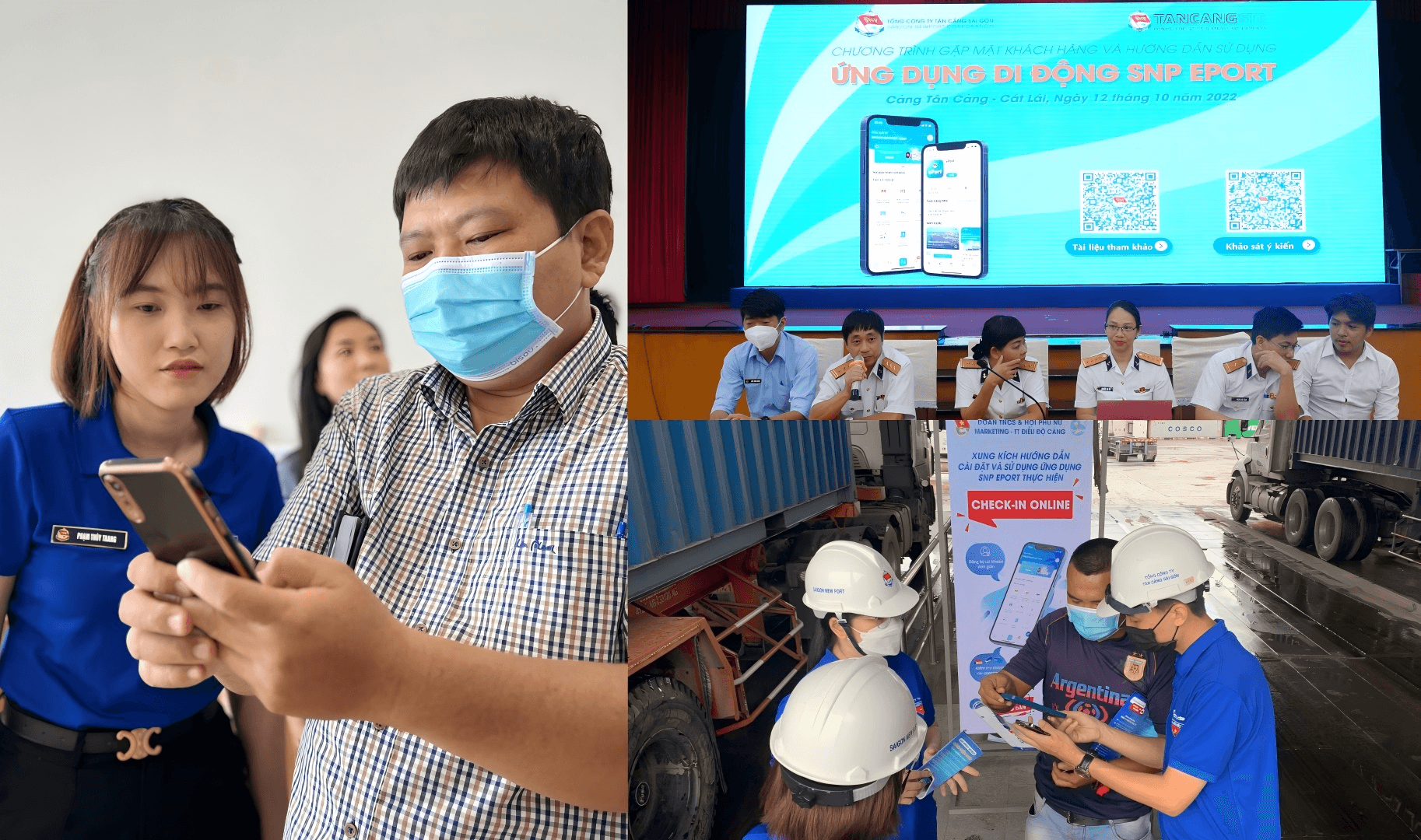
The digital ecosystem subsequently expanded into warehousing and transportation operations, enabling drivers to perform tasks directly on their mobile phones while minimizing paper documentation and in-person interactions.
These developments have reshaped the service model. Customers can independently complete procedures online, while ports, shipping lines, and transportation providers coordinate through shared data platforms.
This integrated approach has improved service quality and operational efficiency.
Building on the success of TOPOVN and ePort, TCIS continued developing a comprehensive range of digital solutions, including TTOS (TCIS Terminal Operating System), deployed at 15 port, inland container depot (ICD), and depot facilities; WMSVN (Warehouse Management System), designed for warehouse operations and management; and an automated gate system at Gate C of Tan Cang–Cat Lai Port.
Together, these solutions have made significant contributions to improving service quality and business performance while progressively realizing SNP's digital transformation strategy and its vision of developing smart ports and warehouses throughout its network.

Aligning Digital Transformation with Sustainable Development Goals
Against the backdrop of the International Maritime Organization's (IMO) 2023 Strategy, which aims to achieve net-zero greenhouse gas emissions by or around 2050 and promotes the development of green shipping corridors, digital transformation at SNP serves as an important foundation for implementing Environmental, Social, and Governance (ESG) objectives.
From an environmental perspective, digital solutions have significantly reduced printing requirements, saving approximately 30,000–50,000 sheets of paper each day.
Compared with previous operating practices, digitalization has also reduced the number of vehicles entering and leaving Tan Cang–Cat Lai Port solely to complete administrative procedures by approximately 3,000–5,000 per day.
The application of automated customs supervision and the online check-in feature on ePort has further supported customers in coordinating vehicle movements more efficiently.
As a result, average vehicle waiting times at port gates have fallen from 13 minutes to approximately six minutes, while electronic customs clearance processing time has been reduced to around two minutes per container.
From a social and human development perspective, digital transformation creates opportunities for employees to enhance their capabilities through digital skills training and the application of innovations arising from actual operational experience.
Every year, SNP regularly organizes training courses and professional development programs to strengthen employees' technology and artificial intelligence (AI) application skills, tailored to their respective areas of expertise.
At the same time, digital services improve customer experience by making transactions more convenient, faster, and more efficient.
From a governance perspective, centralized data systems support operational oversight, management, and decision-making while helping ensure information security and service continuity.
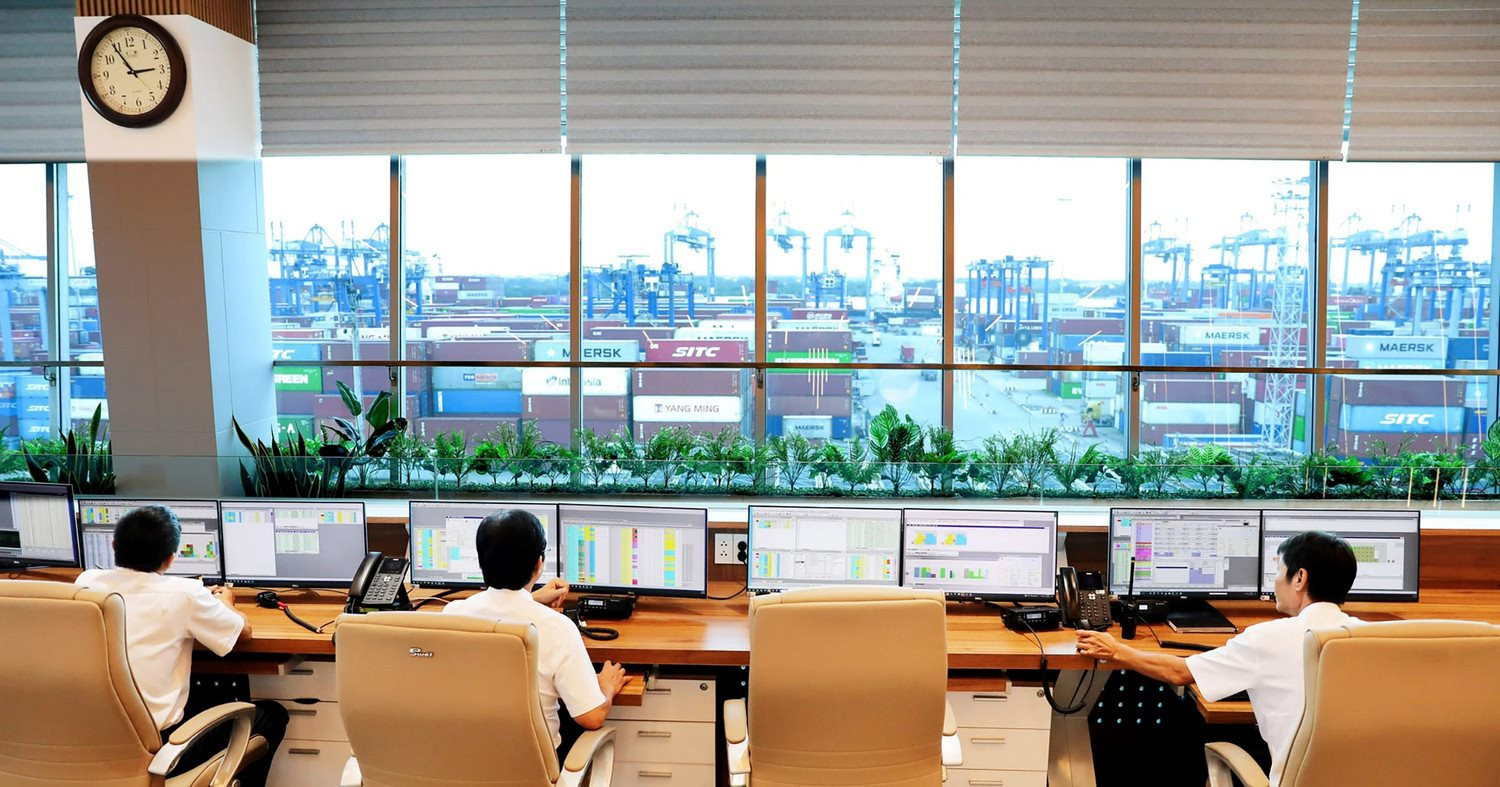
Toward Comprehensive Digital Transformation by 2030
In May 2025, SNP partnered with FPT to launch a comprehensive digital transformation roadmap through 2030, pursuing a dual objective: improving operational productivity and advancing sustainable development.
The roadmap focuses on four strategic priorities: strengthening data-driven governance; developing the eSNP ecosystem; applying artificial intelligence and automation; and ensuring information security while fostering a digital culture.
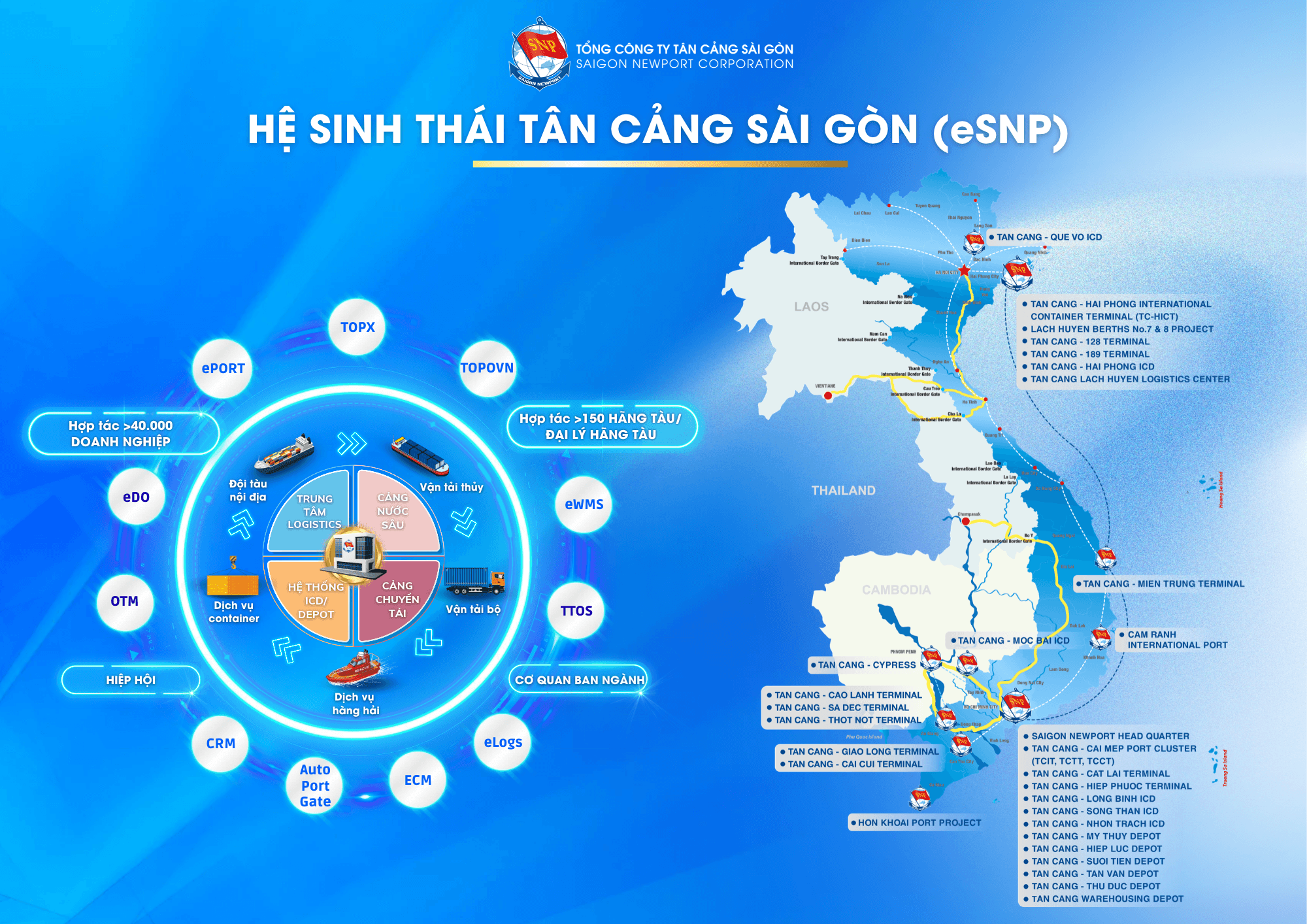
These priorities are designed to deliver practical outcomes: more convenient transactions for customers, more effective tools for employees, and more efficient resource utilization across port operations.
People remain the decisive factor in this process. Skills development and encouraging employees to participate in continuous improvement are essential to ensuring that technological applications deliver meaningful and lasting value.
Throughout SNP's comprehensive digital transformation journey, TCIS continues to serve as one of the core units responsible for developing, implementing, and operating digital products and solutions, helping translate strategic objectives into practical operational improvements.
As TCIS approaches its 16th anniversary, marking the period from November 1, 2010, to November 1, 2026, the company has reaffirmed its critical technological role and its close partnership with SNP throughout the digital transformation process.
By combining in-depth knowledge of port operations with expertise in digital solution development, TCIS enables SNP to continuously optimize workflows, enhance customer experience, and utilize resources more efficiently.
This synergy provides a solid foundation for the Corporation's long-term sustainable development ambitions.