
Goods follow economic corridors, not administrative maps
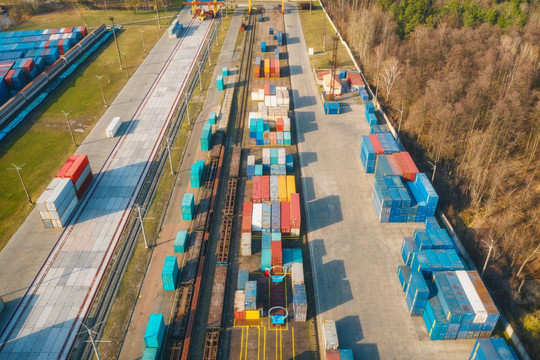
An export container may be manufactured in Binh Duong, stuffed in Dong Nai, cleared at an ICD, moved by road or waterway to Cai Mep - Thi Vai and loaded onto a mother vessel bound for Europe. A batch of components may enter through Hai Phong, move to Bac Ninh and become finished products exported by air or sea. A fruit shipment from the Mekong Delta may need preliminary processing, cooling, transport to Ho Chi Minh City, port or airport access, and then move to China, Japan, South Korea or Europe.
These cargo flows do not stop at local boundaries. They move through networks. But planning, investment and infrastructure management are often still divided by administrative borders. Each province may want its own industrial park, port, logistics centre, airport or connecting road. Without interregional thinking, the system can become unbalanced: some places have excess infrastructure but little cargo, others have cargo but weak connectivity, and large investments may fail to create an optimal network.
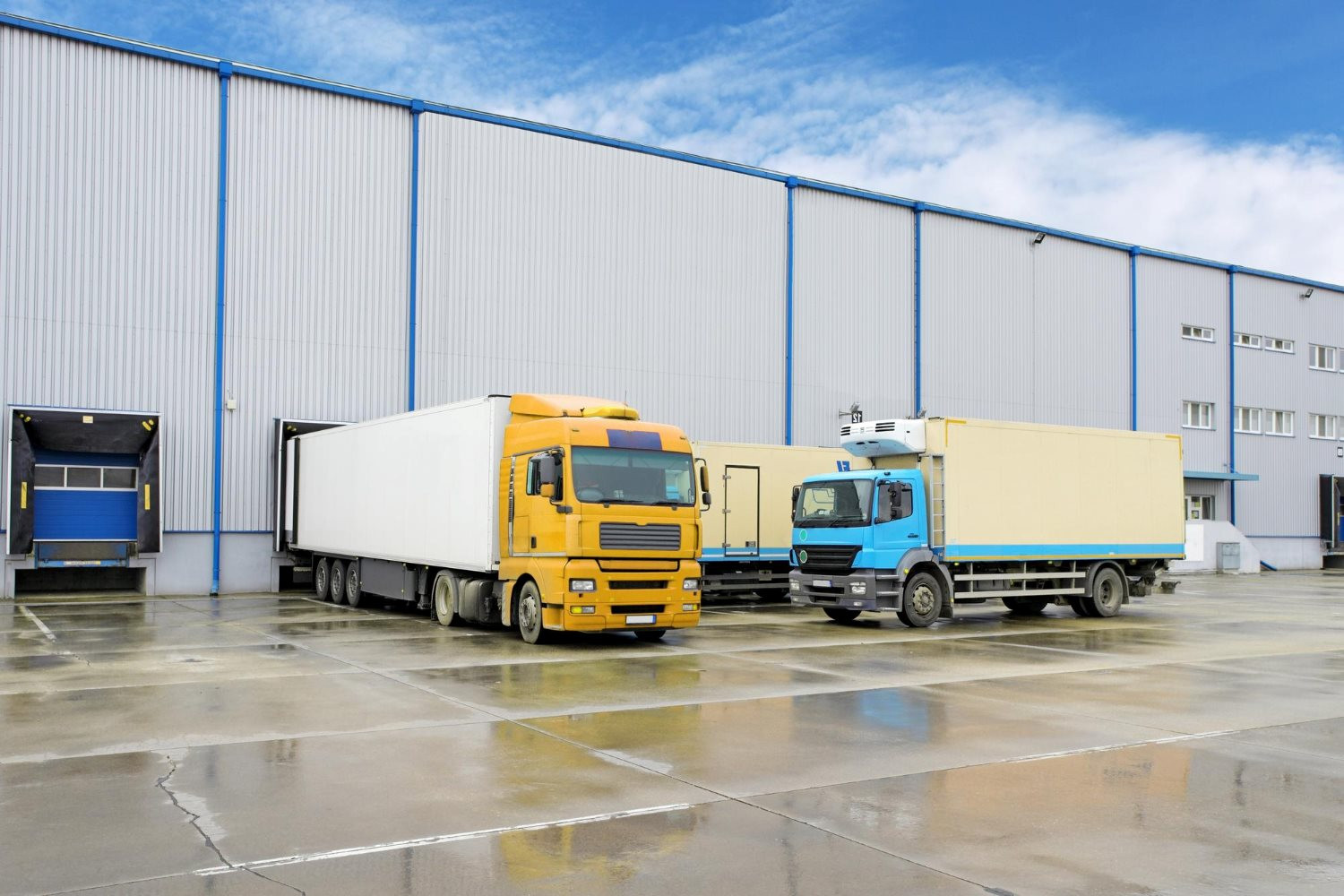
This is why infrastructure in key economic regions must be approached as a logistics ecosystem. The question should not only be what one locality needs, but how the entire region’s cargo flows, where bottlenecks occur, which gateways are under pressure, which modes are imbalanced, where distribution centres should be located and how data should be shared.
Three strategic logistics regions require different thinking
In the north, the key economic region is linked to the Hanoi - Hai Phong - Quang Ninh corridor, electronics, machinery, automotive and consumer goods industrial parks, northern border gates and China connectivity. Logistics in this region should prioritise connecting Hai Phong - Lach Huyen ports with industrial parks, airports, intermodal rail, Lang Son and Lao Cai border gates, and inland ICDs. The key feature is the need to connect industrial production with both seaborne and cross-border transport.
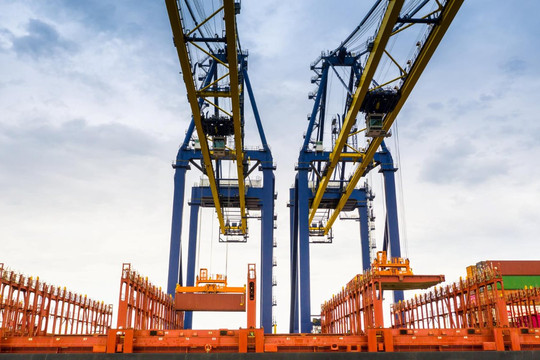
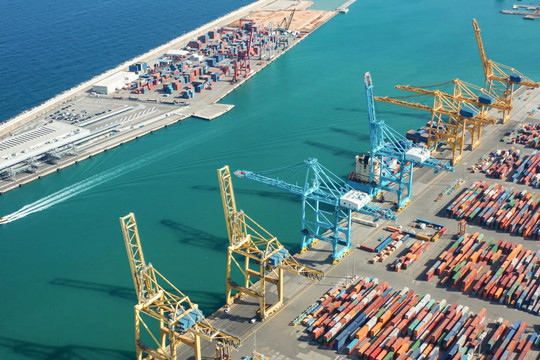
In the south, the key economic region is linked to Ho Chi Minh City, Dong Nai, Binh Duong, Ba Ria - Vung Tau, Tay Ninh and extended surrounding areas. This region has high density in manufacturing, consumption, ports, logistics and trade. Cai Mep - Thi Vai is a strategic deep-water gateway. Ho Chi Minh City is a consumption and service hub. Dong Nai and Binh Duong are industrial centres. Long Thanh will create a future air cargo pole. The major challenge is to reduce congestion, improve waterway-road-rail connectivity, develop ICDs and logistics centres, and redistribute urban, port and industrial functions.
In the Mekong Delta, logistics is linked to agriculture, seafood, food processing, cold chains and exports. Longstanding weaknesses include connectivity, cold storage, deep-water ports, preliminary processing centres and the cost of moving goods to Ho Chi Minh City or the southeast. If the region wants to increase agricultural value, logistics must connect with raw material zones, cold chains, seaports, inland waterways and processing centres.
Each region has different characteristics. Therefore, one logistics centre model cannot be applied everywhere.
Regional logistics should not be planned by asking “what facility does each locality have?”. It should begin with the question: “How do cargo flows move across the whole region?”. When viewed through cargo flows, it becomes clearer where ports, ICDs, cold storage, connecting roads and distribution centres are needed.
Major bottleneck: post-port and post-industrial-park connectivity
A modern seaport can still lose advantage if access roads are congested. A large industrial park can remain less competitive if cargo takes too long to reach ports. An air cargo airport may not deliver full value if warehouses, customs, access roads and sorting centres are missing nearby.
In logistics, infrastructure is not only large projects. It is also the “connections” between projects. Many costs arise not at seaports or factories, but in short but congested links: access roads to ports, weak bridges, intersections, waiting yards, transfer points, routes from industrial parks to expressways and roads from raw material zones to cold storage.
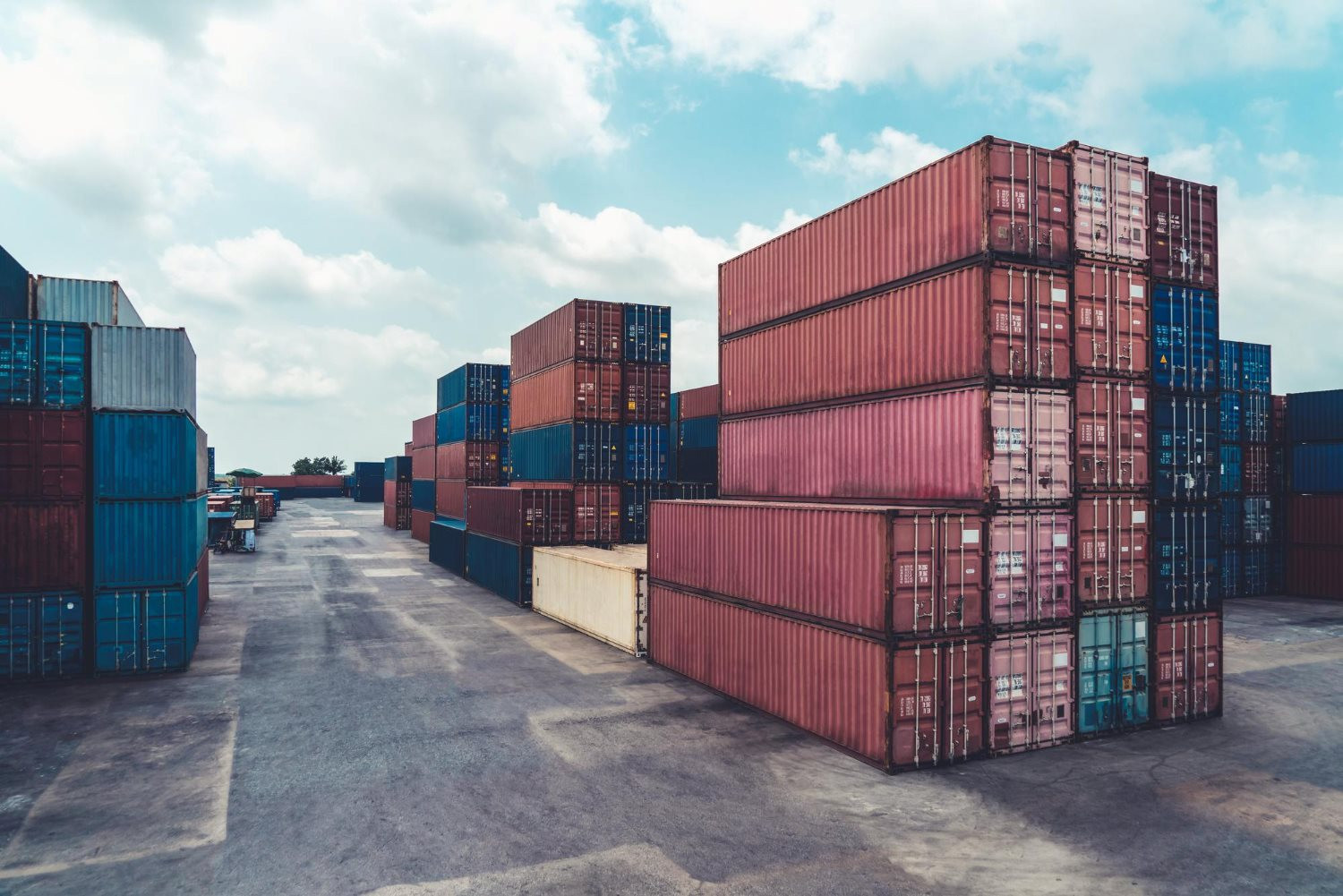
Regional infrastructure development should therefore prioritise connecting links. Sometimes a short road, an overpass, a transfer yard, a dredged inland waterway route, a properly connected ICD or a truck appointment system at ports can create more value than a large project that lacks integration.
Multimodal thinking must become a principle
Vietnam still depends heavily on road transport for domestic movement. This creates flexibility, but also high costs, congestion and emissions. Infrastructure in key economic regions must move from the mindset of “everything goes by road” to multimodal thinking.
Road transport should play a flexible and short-connection role. Inland waterways can play an important role for containers, agricultural products, construction materials and large-volume goods in river-rich regions. Rail should be repositioned in industrial corridors and international intermodal transport. Dry ports and ICDs are connection points. Airports serve high-value and time-sensitive cargo. Seaports are international gateways.
When each mode is assigned the right role, the logistics system becomes more balanced. If everything moves by road, businesses may gain short-term flexibility but the entire region pays higher long-term costs.
Regional data: the foundation of new logistics planning
A major challenge is the lack of cargo-flow data at the regional level. Many infrastructure decisions still rely on broad forecasts without enough detail on cargo types, seasonality, transport routes, origin and destination points, final-mile costs, waiting times, warehouse capacity and business needs.
Good regional logistics planning requires cargo-flow data: what goods move from where to where, by which mode, during which seasons, which costs are high, which nodes are congested, what services businesses need, where empty containers are distributed, where cold storage is lacking and where distribution centres should be placed.
This data does not serve only the state. It helps businesses choose warehouse locations, transport routes, ports, inventory strategies and logistics investments. A key economic region with strong logistics data will attract investment better because businesses can see connectivity more clearly.
Interregional coordination is needed
The hardest issue is not always capital investment, but coordination. Logistics involves multiple localities, ministries, infrastructure companies, ports, industrial parks, carriers, customs, associations and investors. If each party optimises separately, the whole system may not be optimal.
Vietnam needs regional logistics coordination mechanisms: identifying priority projects, avoiding duplication, sharing data, coordinating planning, aligning connectivity standards, enabling multimodal transport and solving interprovincial bottlenecks. The roles of regional councils, industry associations and logistics policy research centres will become more important.
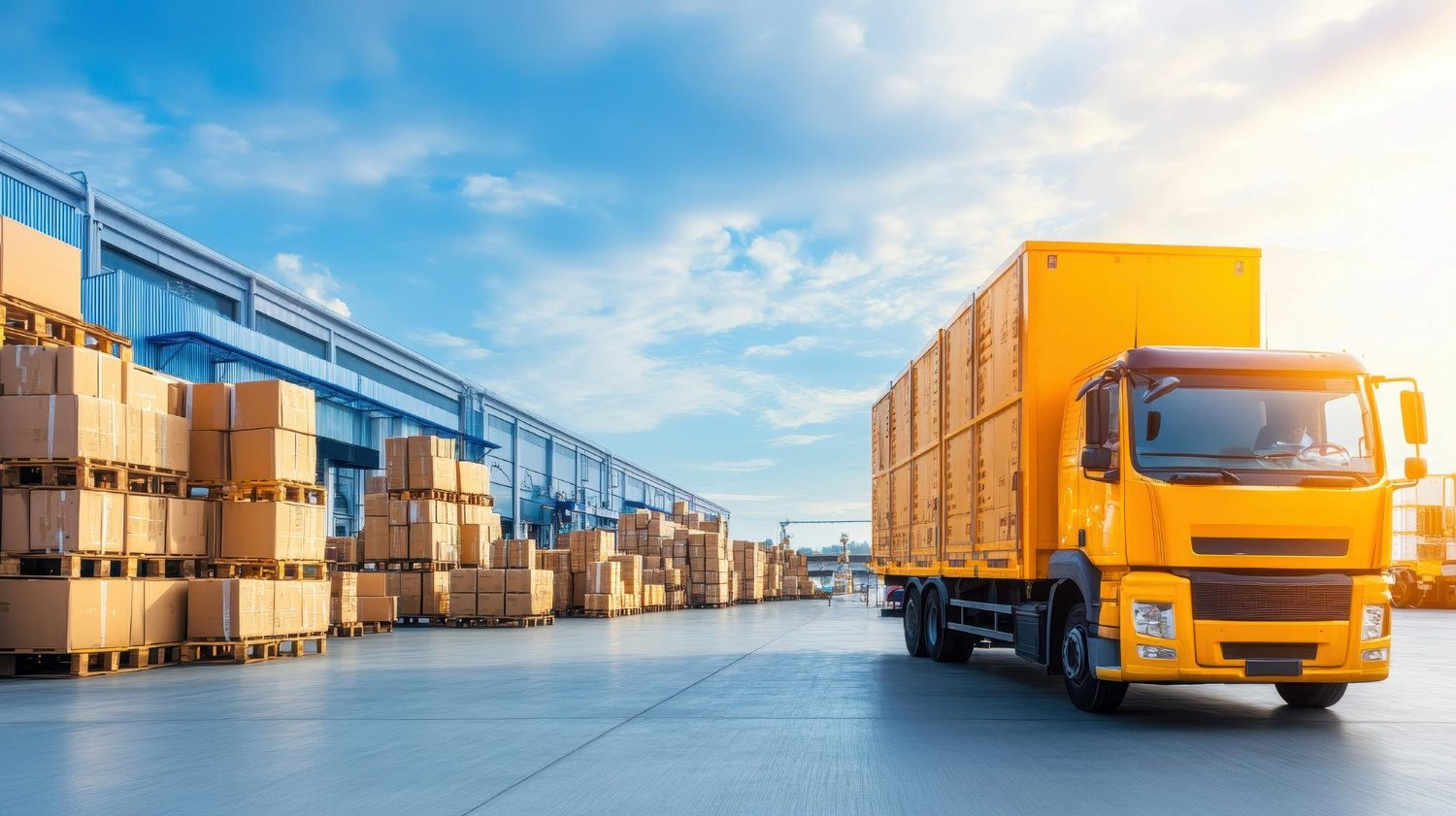
Businesses also need to change their own interregional thinking. They should not ask only where warehouse rent is cheapest, but where warehouse location creates the lowest total cost. They should not choose only the nearest port, but the most suitable port based on vessel routes, time, cost, risk and hinterland services.
Logistics does not develop along administrative boundaries. It develops through cargo flows, data flows and connectivity networks. If infrastructure in key economic regions continues to be viewed in isolation, logistics costs will remain difficult to reduce sustainably. If viewed through an interregional lens, Vietnam can create strong logistics corridors that connect production with markets, seaports with hinterlands, airports with industrial parks and agricultural products with cold chains.
In the new phase, competition is not only between companies. It is also between logistics regions. Regions that organise cargo flows better, connect better, use data better and coordinate better will gain advantages in attracting investment, developing exports and increasing supply chain value.
.png "Dung Quat Accelerates E100 Supply for E10 Gasoline")
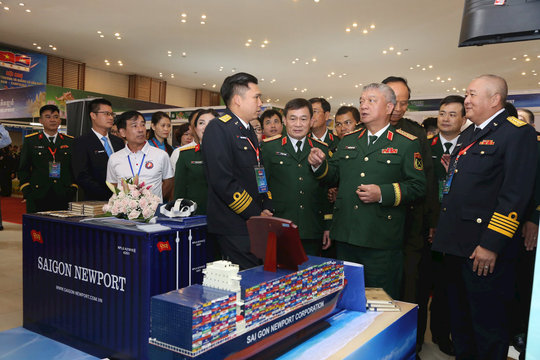
.png "Saigon Newport Corporation Showcases Smart, Green and Connected Logistics Ecosystem at VILOG 2026")