
Semiconductor warehousing: Beyond size and rental rates
On July 7, 2026, more than 100 semiconductor supply-chain companies, mostly from Taiwan and including suppliers to NVIDIA, Tesla and Starlink, conducted an investment survey at Sonadezi Chau Duc Industrial Park. Electronic Tripod has invested USD 450 million there and began trial operations for Phase 1 in mid-June 2026. In the same year, Intel's investment commitment in Vietnam was reported to have increased from USD 1.5 billion to USD 4.1 billion. Together, these movements signal a wider opening for domestic logistics companies seeking a role in high-tech supply chains.
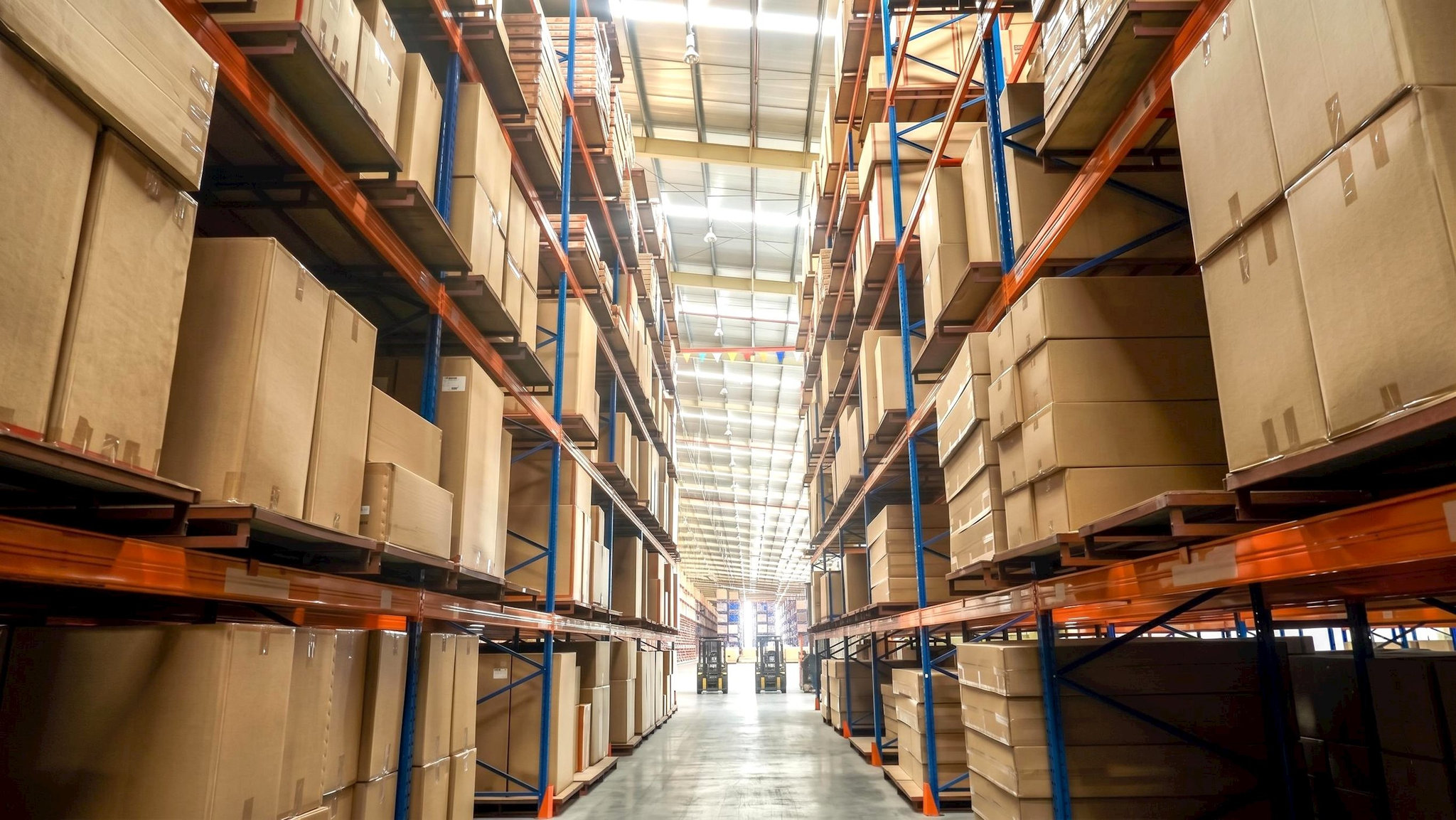
Investment interest, however, does not automatically translate into contracts for every logistics provider. While many warehouse segments compete on rental rates, land availability, labour costs or building scale, semiconductor logistics is measured differently. Wafers, chips and electronic components carry exceptionally high value per kilogram and are highly exposed to theft, substitution, loss and supply-chain disruption. Even a small weakness in access control, loading-bay surveillance or personnel management can produce losses far exceeding the cost of warehouse rent and damage the customer's wider production plan.
A new, technology-rich facility is therefore not necessarily qualified to handle semiconductor cargo. International customers also examine physical security, operating procedures, documented risk controls, incident-response capability and the ability to pass rigorous audits. Without the appropriate certification and a reliable compliance record, a provider may be eliminated during pre-qualification, before rental rates, capacity or contract duration are even discussed.
A semiconductor warehouse generally has to satisfy three requirements at the same time: it must remain eligible for reasonably priced insurance covering high-value cargo; comply with security obligations written into commercial contracts; and preserve C-TPAT security continuity for shipments bound for the United States. When one link fails to meet the required standard, asset protection, risk management, customer confidence and customs facilitation across the entire chain may all be weakened.
C-TPAT and TAPA: The supply chain's "passport"
C-TPAT, or the Customs-Trade Partnership Against Terrorism, is the supply-chain security partnership administered by U.S. Customs and Border Protection (CBP). Although legally voluntary, it carries significant commercial weight because many U.S. technology corporations treat compliance as a key criterion for logistics suppliers. Certified members may face customs inspections four to six times less frequently than ordinary companies. At Tier 1, their risk score in CBP's automated system is reduced by 20%, with the possibility of priority processing and faster clearance.
This advantage is especially important in the chip industry, where Just-in-Time production requires materials, components and finished goods to move according to precise schedules. A shipment held longer than expected can slow a production line, affect delivery commitments and generate cascading costs across the network. C-TPAT is therefore more than a compliance file; it is also a practical mechanism for reducing operational risk and reinforcing confidence in cross-border supply chains.
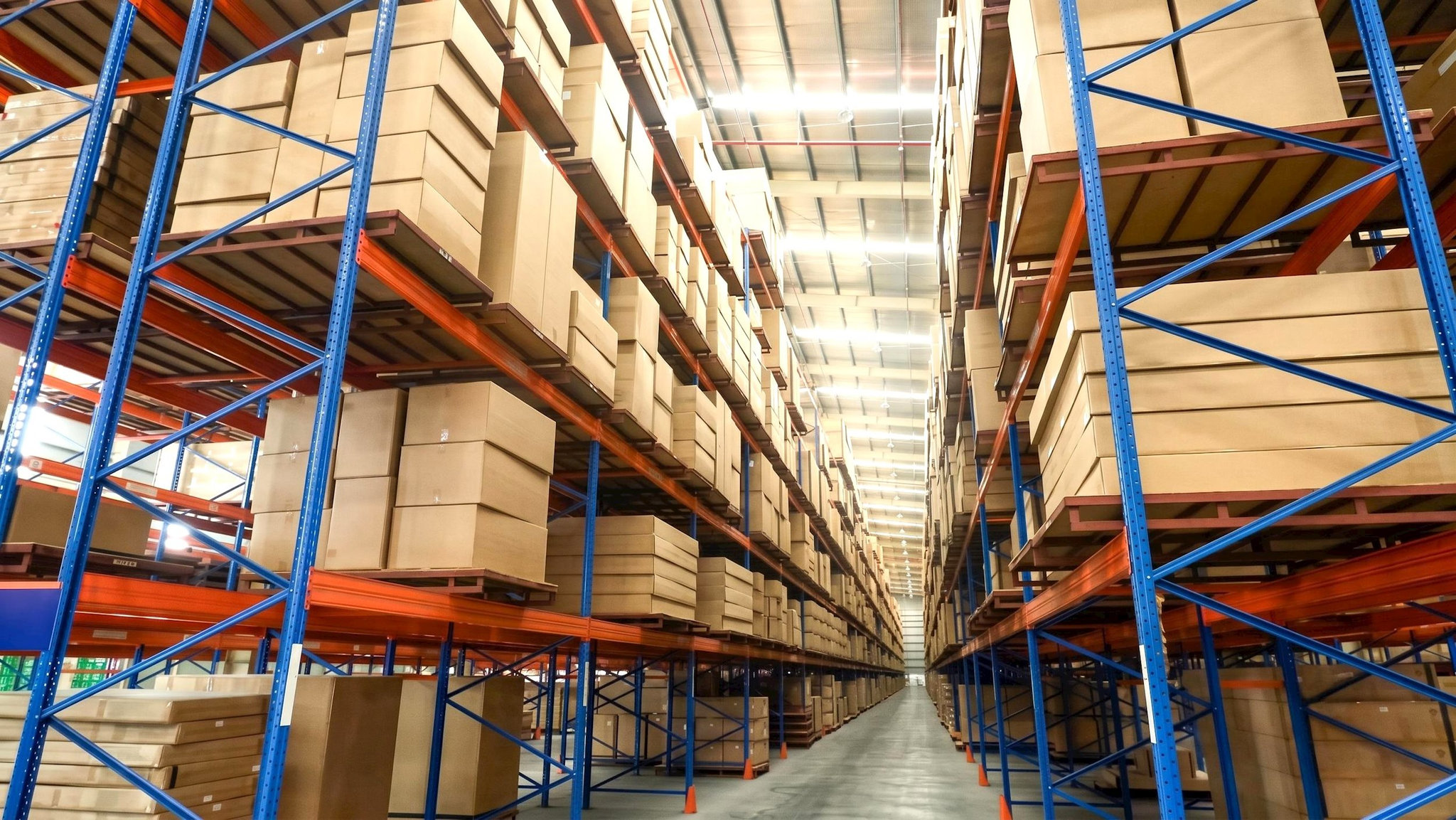
TAPA, meanwhile, focuses on protecting high-value assets in storage and during transportation. Under its Facility Security Requirements (FSR), warehouses are classified from Class A, the highest level, to Class C. Requirements cited in the source include a perimeter fence of at least 1.8 metres around loading areas; electronically controlled gates or stationed security guards; continuous camera surveillance; and a documented security risk assessment at least once a year. These controls turn security from a general commitment into measurable operating criteria. The article states that the latest updated TAPA FSR version took effect in 2026.
Components, wafers and high-tech equipment stored in a bonded warehouse remain in a duty-suspended status, but their full asset value is already present. This makes the bonded facility an especially sensitive control point. Without recognised security standards, cargo may struggle to obtain comprehensive all-risk insurance at a reasonable premium, while continuity of the C-TPAT security chain may also be disrupted before the shipment enters the U.S. market or moves onward through a seaport.
From certification to operating capability
The value of C-TPAT or TAPA does not lie in a certificate displayed on a wall, but in the discipline applied every day. A warehouse must control people, vehicles, keys, surveillance data, loading zones, abnormal events and the accountability of each position. Procedures must be documented, reviewed, tested and improved through regular training, internal checks, independent audits and a long-term culture of compliance.
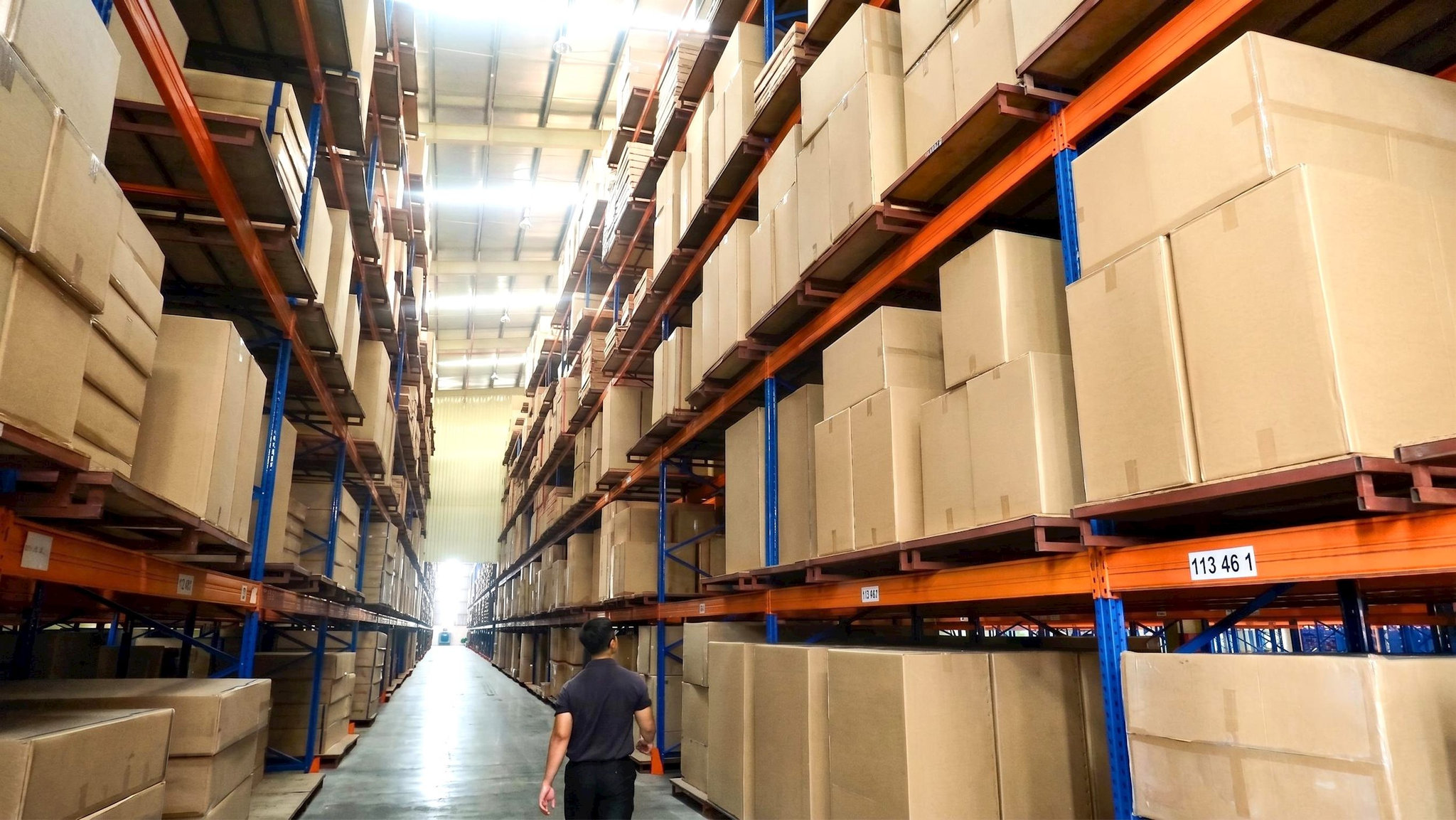
Logistics companies operating bonded warehouses in line with international security criteria can therefore become strategic links in the semiconductor chain. U&I Logistics positions its capability through a compliant bonded-warehouse system that helps semiconductor shipments preserve insurance eligibility, maintain C-TPAT continuity when entering the United States and connect smoothly with import-export operations through seaports. In this segment, competitiveness is determined less by floor area than by the ability to withstand demanding security audits. This approach is associated with the company's values of "Integrity, Discipline and Credibility."
The semiconductor wave may lead to many new warehouses around industrial parks, but the number of buildings does not equal the capability to handle high-tech cargo. The market will increasingly distinguish between providers that merely offer space and those able to demonstrate asset protection, sustained compliance, documented risk management and readiness for international security audits.
More broadly, C-TPAT and TAPA are shaping a new competitive benchmark for Vietnam's logistics industry: security is no longer a supporting function, but an integral part of service quality and international integration. As semiconductors emerge as a strategic industry, investment in compliant warehouses, disciplined people and verifiable procedures is also an investment in Vietnam's position within global value chains. Providers that meet and sustain the standard will be best placed to turn investment momentum into a durable competitive advantage.





.png "BSR Secures Fuel Supply, Accelerates Dung Quat Upgrade")