
Scope 3 changes the way emissions are viewed
In greenhouse gas reporting, emissions are usually divided into three scopes. Scope 1 covers direct emissions from sources owned or controlled by the company, such as vehicles, boilers or generators. Scope 2 covers indirect emissions from purchased electricity, heat or energy. Scope 3 covers other indirect emissions in the value chain, including raw materials, transport, distribution, product use, end-of-life treatment, business travel, outsourced activities and many other sources.
The challenge is that Scope 3 is often the largest share but the hardest to measure. A company may not directly own the trucks of its carriers, the vessels of shipping lines, the aircraft of airlines, the warehouses of third parties or the delivery routes of partners. But if those activities serve the company’s supply chain, customers and investors may ask the company to report them.

This is why Scope 3 is changing the relationship between shippers and logistics providers. In the past, companies asked transport providers: what is the price, how long does it take, and is it on time? Now the questions expand: how much does it emit, what method is used, is the data reliable, is there a reduction plan, and can it be reported under international standards?
Smart Freight Centre describes the GLEC Framework as a global method for calculating and reporting logistics emissions; the updated framework is intended to support consistency and transparency in freight emissions measurement.
Logistics is one of the difficult areas of Scope 3
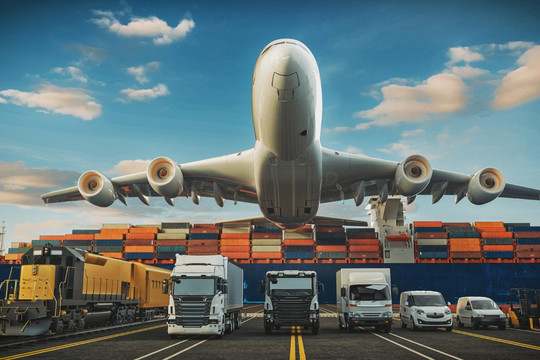
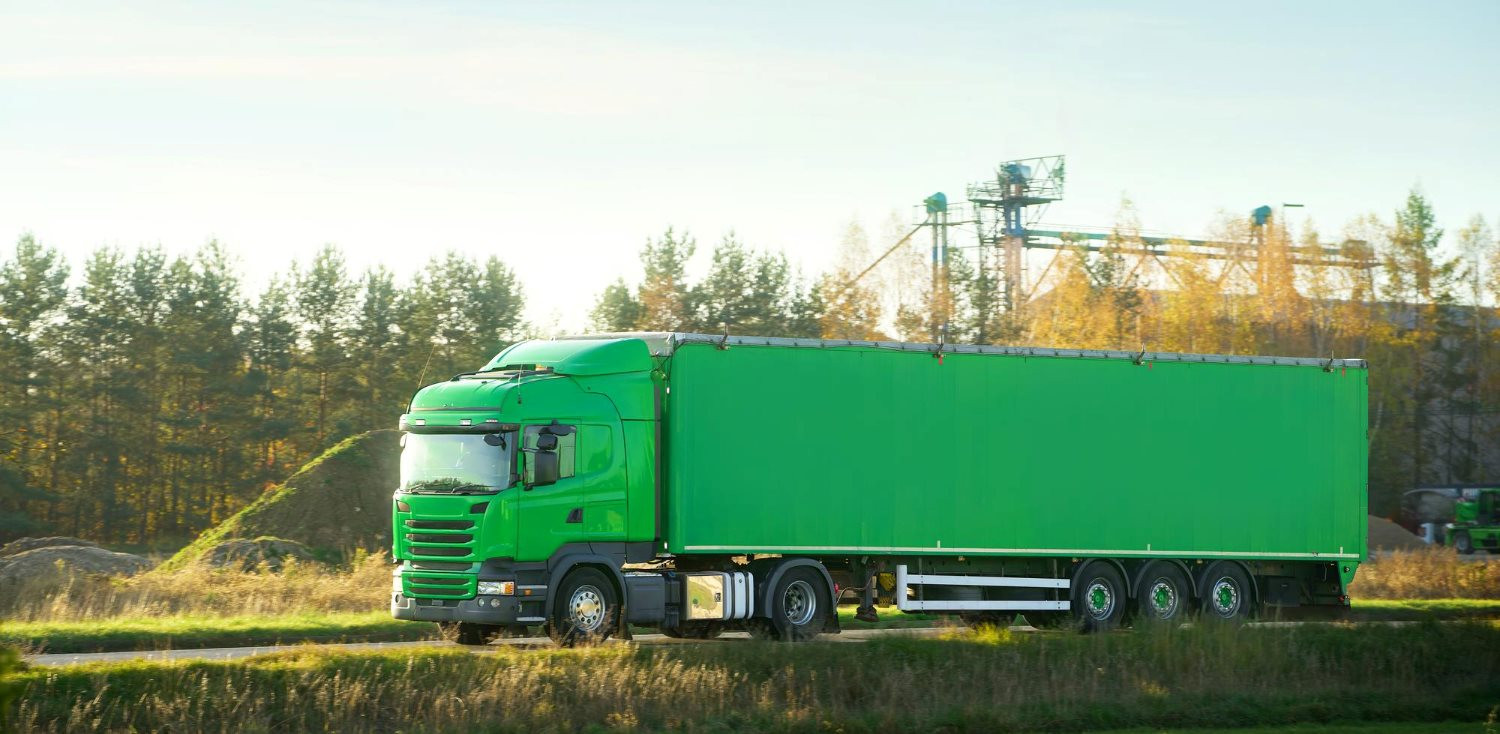
Logistics emissions are difficult to measure because there are many variables. For the same tonne of cargo, emissions can differ depending on transport mode, vehicle type, load factor, distance, fuel, empty return trips, traffic conditions, waiting time, transshipment, temperature control and how emissions are allocated to each customer.
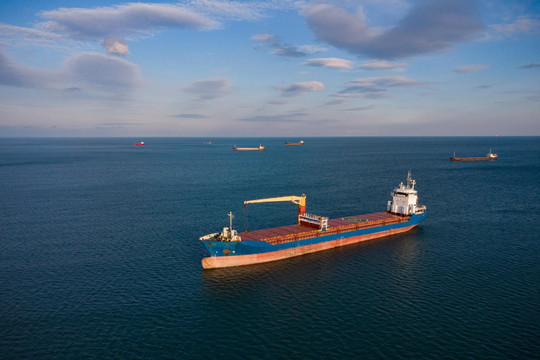
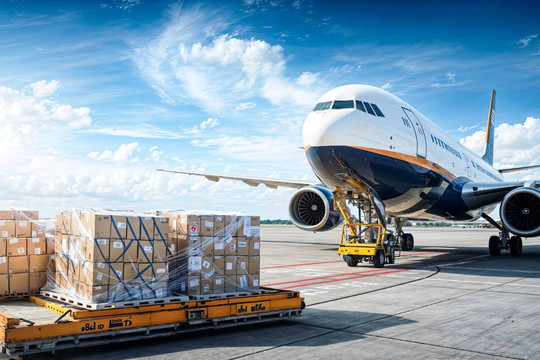
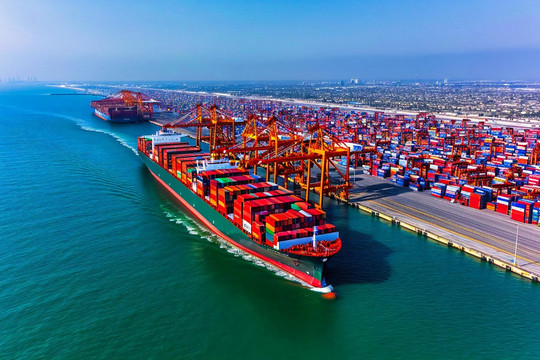
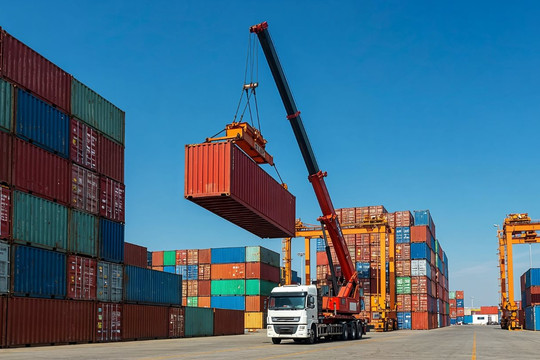
For ocean freight, data is needed on route, vessel type, container, weight, origin and destination ports, transshipment and allocation method. For road transport, data is needed on vehicles, fuel, distance, load, empty running and operating conditions. For air freight, emissions are higher but the mode may be justified for high-value and time-sensitive cargo; the question is when speed creates enough value to justify higher emissions. For cold storage, emissions are not only from transport but also from electricity, refrigerants, temperature control and product loss.
Without actual data, companies often use average emission factors. This may be acceptable in the initial phase, but customers will increasingly demand more accurate data. Logistics providers with strong measurement capability will therefore become more valuable partners.
Scope 3 turns logistics from an outsourced service into part of corporate emissions responsibility. A shipper can no longer simply say “that is the partner’s truck, not mine” if the emissions arise from activities serving its supply chain and customers require reporting.
Five steps to begin measuring logistics Scope 3
The first step is defining the scope. Companies need to identify which logistics activities to include: inbound transport, outbound transport, outsourced warehousing, distribution, returns, international transport, domestic transport, cold-chain operations or fulfilment. They should not try to measure everything immediately if data is not ready. Start with the largest and most material transport flows.
The second step is collecting activity data. Basic data includes cargo weight, distance, transport mode, vehicle type, route, number of trips, load factor, fuel where available, storage time, warehouse electricity and storage conditions. The closer the data is to real operations, the more useful the result will be.
The third step is selecting the calculation method. Companies can refer to standards and frameworks such as the GHG Protocol, ISO 14083 and the GLEC Framework. Smart Freight Centre states that the GLEC Framework formed the foundation for ISO 14083:2023, further standardising greenhouse gas calculation and reporting for transport operations.

The fourth step is working with logistics providers. Companies should include emissions data requirements in contracts or SLAs: monthly or quarterly reporting, calculation method, transparent factors, route data, load factors, electronic documents and emission-reduction plans. This is a major change in logistics procurement.
The fifth step is using data to reduce emissions, not merely to report them. If reporting shows which routes are high-emission, which vehicles often run empty, which warehouses consume more electricity or which modes can be replaced, companies must turn data into operational decisions. Scope 3 matters only when it leads to action.
From measurement to reduction
Measuring Scope 3 is only the first step. The ultimate goal is to reduce emissions without breaking the supply chain or pushing costs out of control. In transport, several levers can reduce emissions.
The first lever is improving load factors and reducing empty trips. Fuller trucks, better container utilisation and more balanced two-way cargo reduce emissions per unit of cargo. This reduces both carbon and cost.
The second lever is switching transport modes where appropriate. Rail, inland waterways and ocean freight often have lower emissions per tonne-kilometre than road or air, depending on the route and conditions. Mode shift is not always possible, but companies need data to know where opportunities exist.
The third lever is route optimisation and reduced waiting time. A shorter route does not always mean lower emissions if congestion, waiting or redelivery are high. Emissions optimisation must look at the full journey, not just distance.
The fourth lever is improving warehousing. Green warehouses, energy-efficient cold storage, rooftop solar, smart temperature management, high-efficiency equipment and reduced product loss all contribute to Scope 3 reduction.
The fifth lever is collaboration. Shippers cannot reduce Scope 3 alone. They need to work with carriers, forwarders, ports, warehouses, shipping lines, airlines and customers to create change.
Opportunities for Vietnamese logistics
Scope 3 creates pressure, but also opens opportunities. Vietnamese logistics providers that build early capabilities in emissions calculation, carbon reporting, green route consulting, load optimisation, green warehousing and electronic documents will have an advantage when serving international customers.
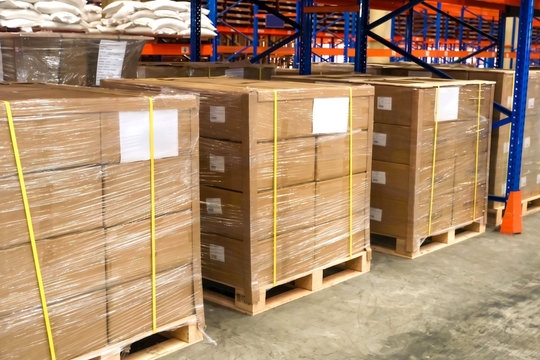
In the future, logistics quotations may include not only cost and time, but also estimated emissions. A forwarder may propose three options: fastest, cheapest and lowest-emission. A carrier may prove that empty running has been reduced. A warehouse may report emissions per pallet handled. A fulfilment centre may report emissions per order.
Carbon data then becomes a value-added service. This is an important pathway for Vietnamese logistics to move beyond price-based competition.
Scope 3 greatly expands the boundary of corporate emissions responsibility. What was once in the hands of partners is now part of ESG, trade and market trust.
For Vietnamese companies, the key is not to wait until customers demand data. They need to gradually measure, standardise data, work with logistics providers and turn emissions data into operational decisions. In modern logistics, goods move with data. In green trade, that data increasingly includes carbon.

.png "BSR Accelerates Investment on Its Path to Southeast Asia’s Top 8")