
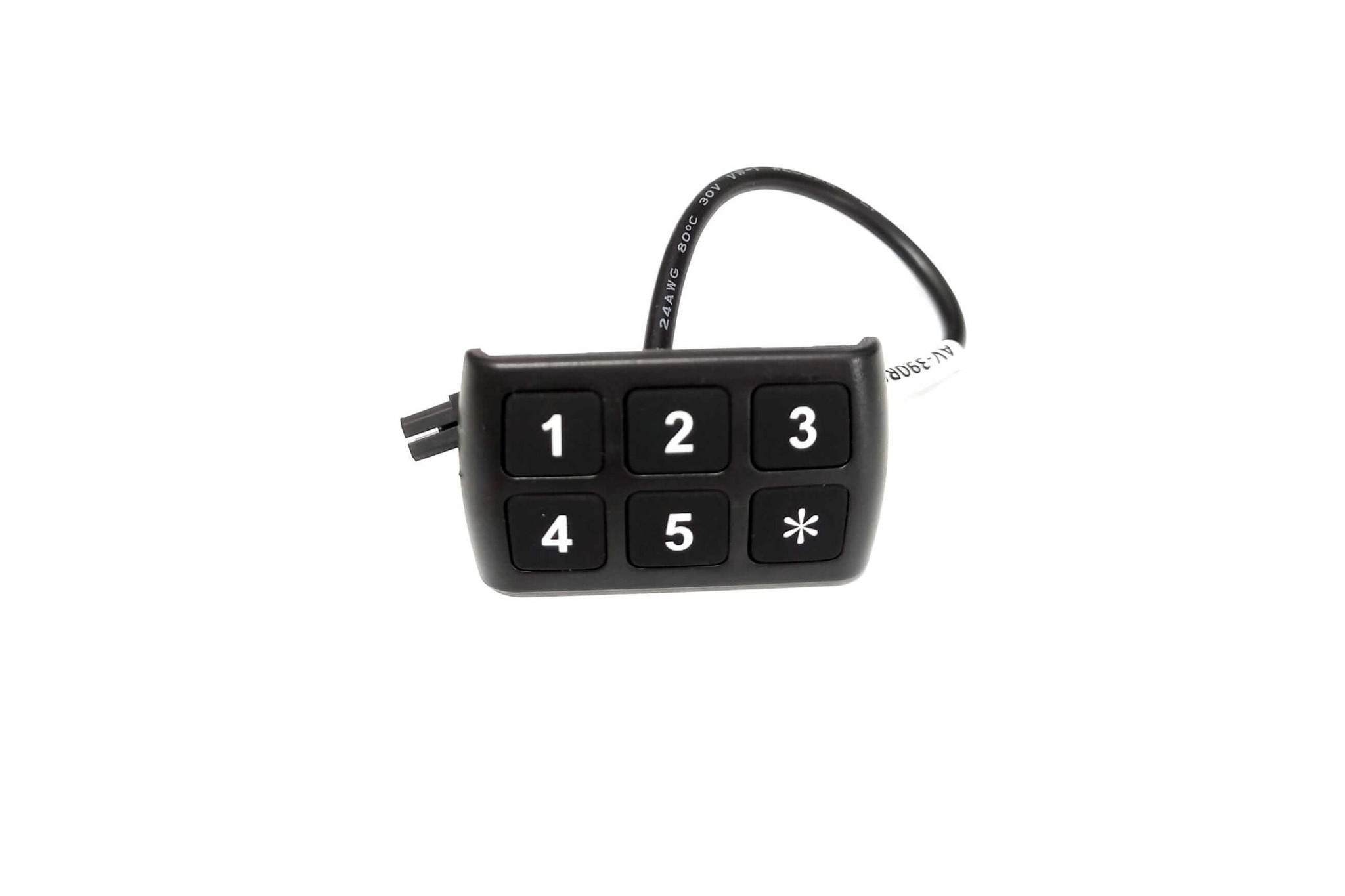
While a vehicle is used by a single person, that question barely matters. It becomes a problem the moment vehicles are shared — across shifts, across projects, or with a relief driver who steps in during busy periods. Tracking data points to the vehicle, not the person. When a traffic fine arrives, a fuel discrepancy needs explaining, or an accident has to be investigated, the record stops at a number plate rather than a name.
For operators, that gap is real. Driver safety scores are unfair if a violation cannot be tied to the right person. Fuel-efficiency programmes are hard to run when no one knows who is heavy on the pedal. And when an incident happens, time is lost working out who was in the seat instead of dealing with the event itself.
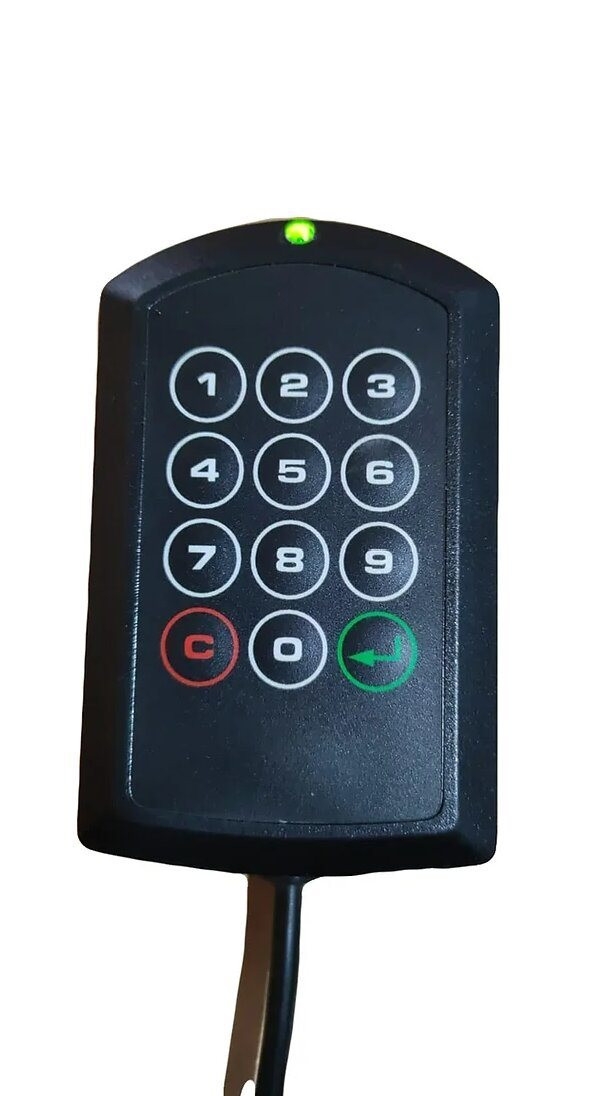
The encouraging news is that there are several ways to close the gap. Each has its strengths and limits.
iButton or key fobs. The classic approach: each driver carries a small fob and touches it to a reader before setting off. Cheap and simple, but fobs are easily left at home, lost, or - most commonly - passed to a colleague. Once one person holds several fobs, the whole system loses its meaning.
RFID cards. Similar in principle to fobs, and often combined with an employee access card. Tidier administratively, but they face the same issue: cards change hands, and replacing a lost one costs time and money.
Mobile-app login. The driver signs in through an app on their phone. Flexible and feature-rich, but it depends on a personal phone, battery, signal, and the driver's willingness to open the app every time. In the field, a step that is easy to skip is a step that often gets skipped.
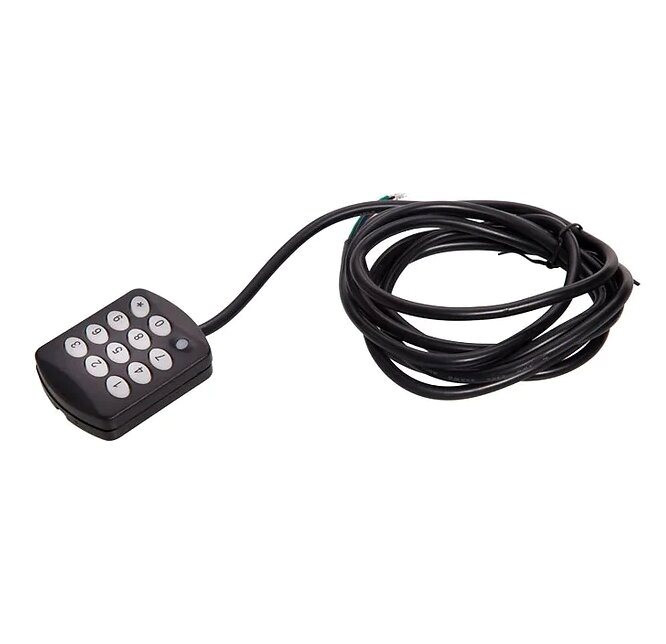
In-cab PIN keypad. The driver enters a personal PIN before departure, and the telematics unit records who is driving - no card, no fob, no phone. Its strength is that a PIN cannot be "left at home" and is harder to hand over casually than a physical token. Its limit is that a PIN can still be shared without internal discipline, and it takes a habit for drivers to enter it consistently.
There is no single right answer for every fleet. A distribution operation with high driver rotation has different needs from a mining or construction fleet whose vehicles rarely leave site. What matters is recognising that "tracking the vehicle" and "knowing the driver" are two different things - and then deciding, deliberately, how important the second one is to your operation.
A simple question any fleet manager can ask: if a fine or an incident landed on one of our shared vehicles tomorrow, could we say with confidence who was driving? If the answer is uncertain, the identity gap is worth attention - whatever technology is eventually chosen to close it.
(*) Founder of Tracking Hardware UK


.png "Dung Quat Accelerates E100 Supply for E10 Gasoline")
.png "Saigon Newport Corporation Showcases Smart, Green and Connected Logistics Ecosystem at VILOG 2026")