
From cost advantage to adaptive capability
Positive FDI figures in the first quarter of 2026 confirm Vietnam’s appeal to international capital, especially in manufacturing and processing. Yet rising investment scale also comes with a new expectation from multinational corporations: logistics must do more than save costs; it must be stable enough to protect production plans from external shocks.
In earlier periods, competitiveness was commonly measured by pricing power and transport efficiency. Today, however, as geopolitical risk, extreme weather and corridor disruptions become close to structural conditions, investors increasingly assess logistics as a continuity assurance mechanism rather than a pure cost item.
A harsher stress test for global supply chains
If the Red Sea disruption of 2023-2024 served as an early warning, the latest tensions in the Middle East and the pressure on the Strait of Hormuz underscore just how fragile logistics models can be when they rely too heavily on a handful of critical trade routes. In that environment, companies that only perform well under normal conditions quickly expose their limits once markets turn volatile.

By contrast, providers capable of redesigning routes, switching transport modes and re-coordinating execution almost in real time are emerging as preferred partners for FDI-backed manufacturers. This marks a clear shift: the value of a logistics company is no longer measured primarily by the size of its physical assets, but by its flexibility, transparency and delivery discipline when disruption hits.
Rapid FDI growth does not automatically translate into sustainable gains for logistics. Real value emerges only when providers can prove resilience, maintain transparent operational data and uphold service commitments under volatile market conditions. In an era of uncertainty, shock absorption is becoming a strategic asset.
Vertical integration to lower execution risk
In a more stable era, outsourcing each logistics leg separately in pursuit of the lowest price was often a reasonable choice. But once volatility becomes a default condition, the structure of competitive advantage changes. Competitive pricing is now only a necessary condition; the sufficient condition is integrated service capability across the chain, from domestic trucking and customs clearance to international connections.
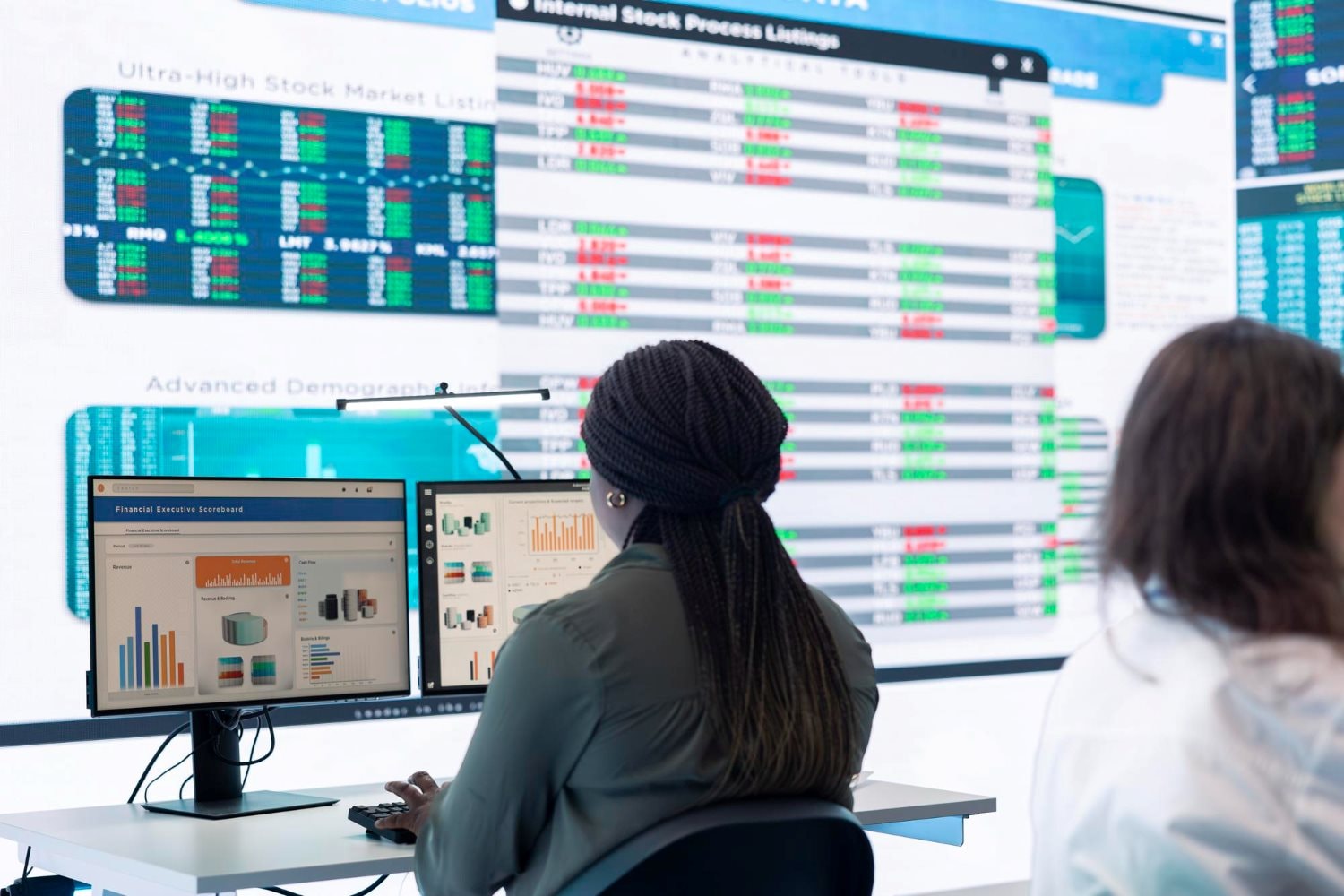
The model pursued by U&I Logistics illustrates that direction. With centralized control across the value chain, the company can shorten response loops, reduce dependence on intermediary negotiations and preserve service commitments more effectively. For FDI investors, any short-term savings become meaningless if supply chain disruption undermines operations at a critical moment.
Redefining competitiveness for Vietnam’s logistics sector
This also means the industry must revisit how competitiveness is defined. Expanding warehouses, fleets or network footprints may look impressive on paper, but none of that automatically proves resilience unless it is backed by tight execution architecture and credible contingency plans.
At the national level, logistics strength is not limited to ports, highways or industrial facilities. Institutional agility, digital connectivity, data coordination and the response speed of the overall system will determine how well Vietnam can absorb new investment flows. As risk management becomes a selection standard, the central question is no longer how fast logistics can scale, but how deeply it can operate in order to adapt to a world of constant shocks.
Rising FDI is a major opportunity, but also a demanding test for Vietnam’s logistics sector. The players that can keep cargo flows intact in unstable conditions will be the ones that define the market’s new competitive benchmark.



.png "Dien Bien builds investment value chains to power its next growth chapter")

.jpg "Dien Bien, Yunnan and Luang Prabang: Expanding Regional Cooperation and Investment Opportunities")