
Coastal people have had a practice of burying and worshipping Ca Ong (Lord Whale-respectfully called) and so have the people in Ba Ria-Vung Tau. Before long fishing trips on the sea, fishermen come to the mausoleum, hold prayer rites to request favors of good fortune, safety and a sounding fish season. It is also an interesting tourist spot for those who have a chance to set foot in this coastal fishing village.
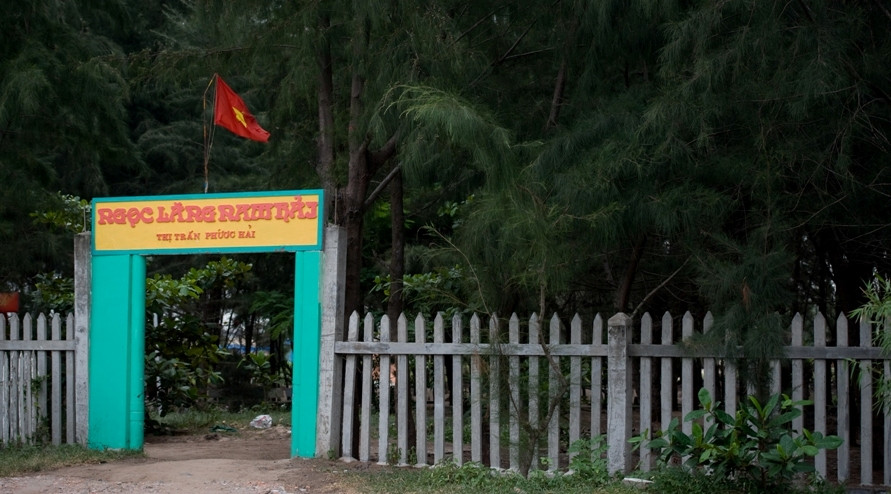
“Jade Mausoleum ”, called by local people, is a graveyard for whales which is located on a nice-view section of the beach and hiding itself in a poor fishing village of Phuoc Hai (Provincial Road 44, Phuoc Hai town, Dat Do District). It is about 130 kilometers from HCMC and 30 kilometers from Vung Tau city. The graveyard has a size of a few hundred square meters with a shrine in the middle and surrounded by over 200 whale tombs lying under the shade of casuarinas trees: each with an incense bowl and a gravestone which says “Tomb of Southern Sea General’s” and His date of death; some with names and codenames of a boat that found Him and bring Him ashore.
| Ba Ria-Vung Tau hosts the 1st Sea port Festival 2012 in the third quarter of this year. The event is to raise the public’s awareness of Vietnam’s sovereignty over its waters and islands and the importance of the maritime-based economy to the nation in general and to Ba Ria-Vung Tau particularly. There are series of events scheduled: Carnival, Fair and Exhibition of ports and international logistics services, and conferences on logistics service issues. |
The first person who finds the body of a dead whale is considered as his eldest son and should be in mourning for three years as he does to his own parents. In fact, the funeral for the Whale is rather complicated with many services: 49-day, 100-day, and a year services… After being buried for 3 years, the whale skeleton will be dug up in a solemn service (le boc cot) and be brought to the shrine (called Dinh Ong – The Palace for the Whales’) to worship. The burying and worshipping whales is the way that fishermen do to show their gratitude to Whales- the Guardians when they are on the sea in their fishing trip. And local people have also had a habit to come to the graveyard to pray before they bring their boats offshore.
Every year, a Nghinh Ong ceremony is solemnly held on February 16 of the Lunar Year by the local government and people of Phuoc Hung fishing village – a ceremony featured a folk cult of a coastal area. Despite the fact that it is just a local festival, there has been a large number of people that attend the festival not only from nearby areas but also from HCMC and other provinces.
If you are interested in sea tourism and folk culture, why don’t you try a tour to Jade Mausoleum?
Addtional information: A tour to Jade Mausoleum can be a part of a tour to other places: Minh Dam Base, Sight Seeing Tour to Dinh Co, Mo Co (Lady’s Palace, Lady’s Tomb)… and then following by relaxing time on beaches in Long Hai.




.png "Dung Quat Enters a New EPC Execution Phase")