
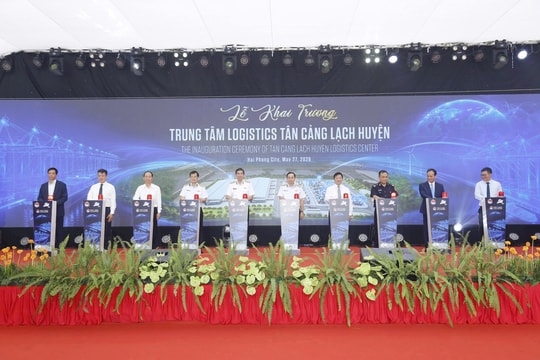
With a planned scale of 40 hectares, a green logistics orientation and integrated service capabilities, the project is expected to become a new operational base for import-export enterprises at a time when supply chains increasingly demand speed, transparency and sustainability.
From Port Back-Up Area to Regional Connectivity Hub
In Northern Vietnam’s maritime economic structure, Hai Phong occupies a special position: it is an international maritime gateway as well as an industrial, commercial and logistics hub for the region. The development of the Lach Huyen deep-water port complex in recent years has created new momentum for Hai Phong to move from a national port center toward a regional transshipment gateway. Yet berth capacity is only part of the equation. To move cargo faster, at more competitive costs and with greater supply chain stability, the area behind the port needs logistics centers that are large, modern and capable of delivering integrated services.
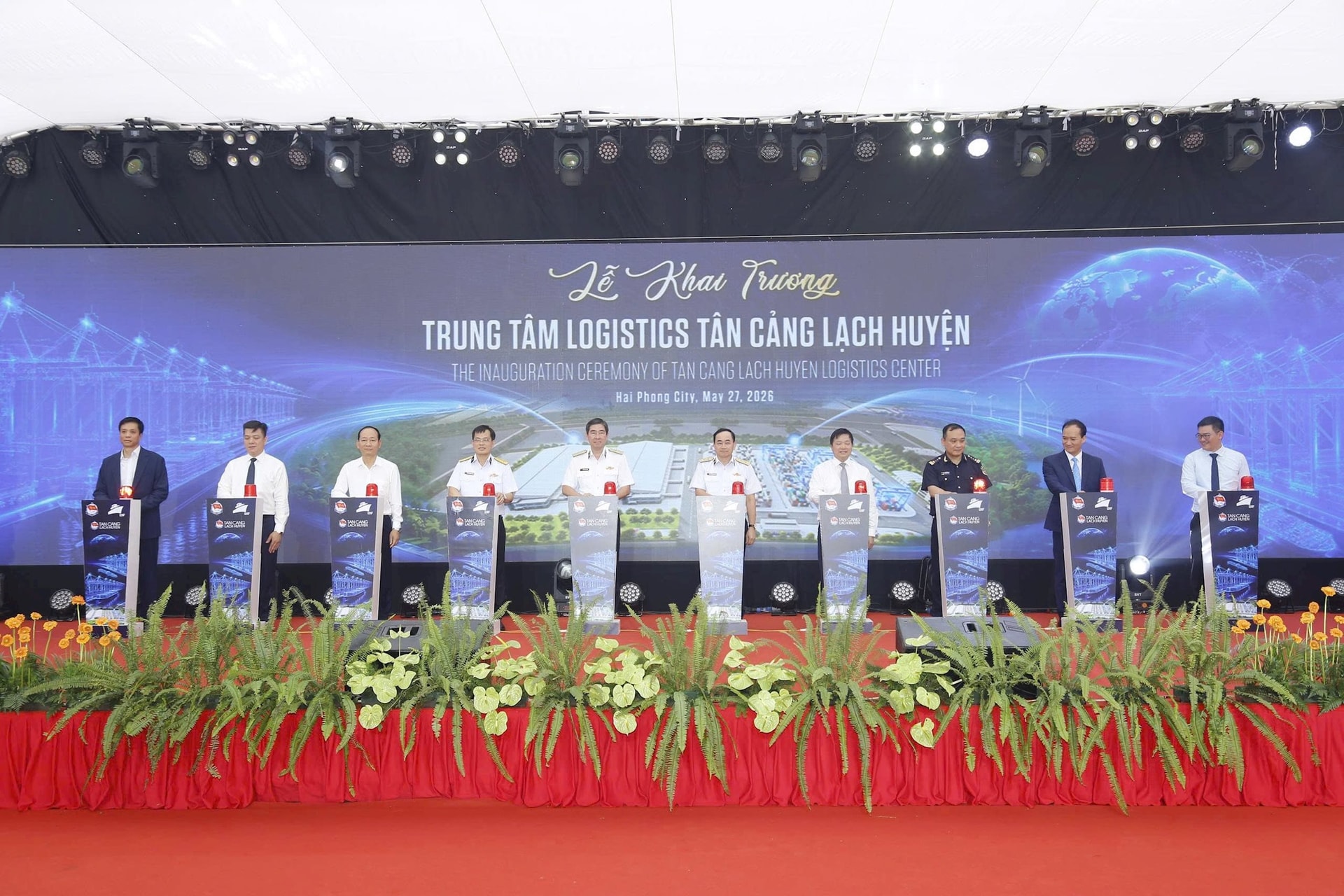
In this context, Tan Cang Lach Huyen Logistics Center is located at a strategic point. Situated in the Lach Huyen Free Trade, Logistics and Industrial Zone, the center lies directly behind the deep-water port complex and can connect rapidly with international seaports, expressways, industrial parks and key manufacturing centers in Northern Vietnam. This location enables the center to function not merely as a storage or consolidation area, but as a direct logistics back-up base for the port, where cargo can be coordinated, processed and value-added before entering or leaving international transport chains.
Tan Cang Lach Huyen was established through cooperation between Tan Cang Offshore Services Joint Stock Company, under Corps 20 - Saigon Newport Corporation, and Lach Huyen International Deep-water Port Industrial Park and Logistics Joint Stock Company, under Xuan Cau Group. This partnership reflects the direction of modern logistics infrastructure development: no single player can solve the entire port, industrial park, warehouse, transport and value-added service equation; instead, integrated models combining port operation expertise, logistics capacity and industrial infrastructure vision are required.
Integrated Capacity: From Depot and CFS Warehouses to Value-Added Services
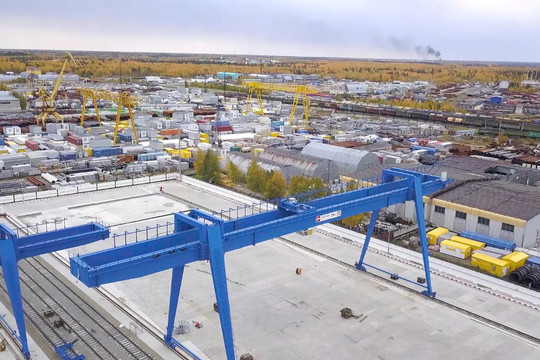
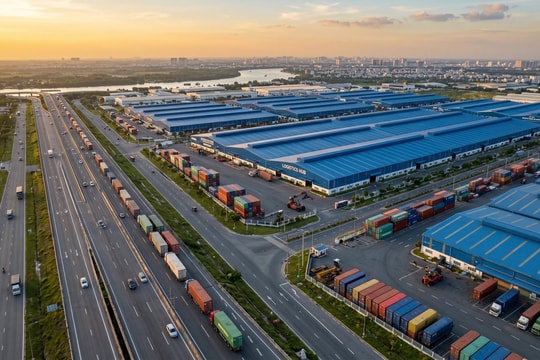
On a total planned area of 40 hectares, Tan Cang Lach Huyen Logistics Center is being developed in two phases. Phase 1 puts 12.4 hectares into operation, including a container yard with a capacity of about 8,000 TEUs, operated by four modern electric RTG cranes, two of which were newly built by Tan Cang Gantry. The warehouse system covers up to 30,200 square meters, including Warehouse No. 1 of 16,200 square meters and Warehouse No. 2 of 8,000 square meters, which is expected to be operated in the 2026 - 2027 period.
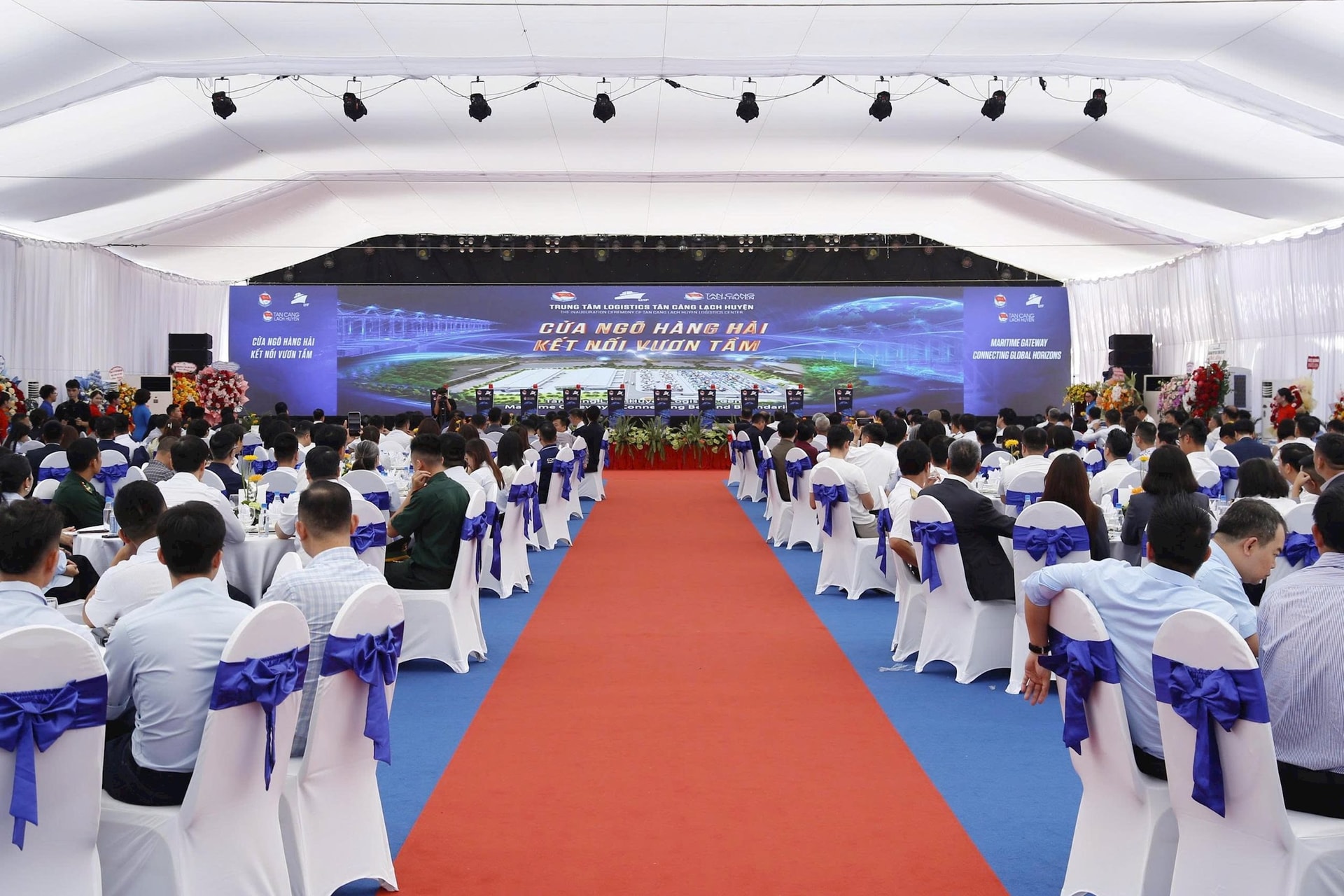
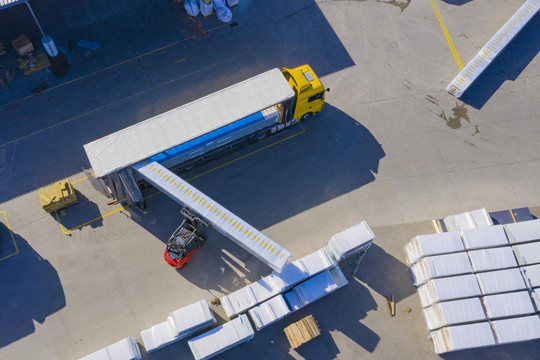
What stands out is not only the scale, but also the service structure. The center is designed to provide an integrated logistics chain, from container depot services such as lifting, storage, cleaning and repair to bonded warehouses, CFS warehouses, domestic warehouses, storage, consolidation, transshipment and value-added logistics services. For import-export enterprises, this model can reduce intermediate steps, shorten waiting time, improve cargo control and support more proactive delivery planning.
Tan Cang Lach Huyen Logistics Center does more than add warehousing and yard capacity behind the port. It creates a new operational infrastructure layer for Northern Vietnam’s supply chains. When depot services, CFS warehouses, bonded warehouses, value-added services and multimodal connectivity are integrated in one structure, enterprises gain opportunities to reduce costs, shorten lead times and strengthen competitiveness.
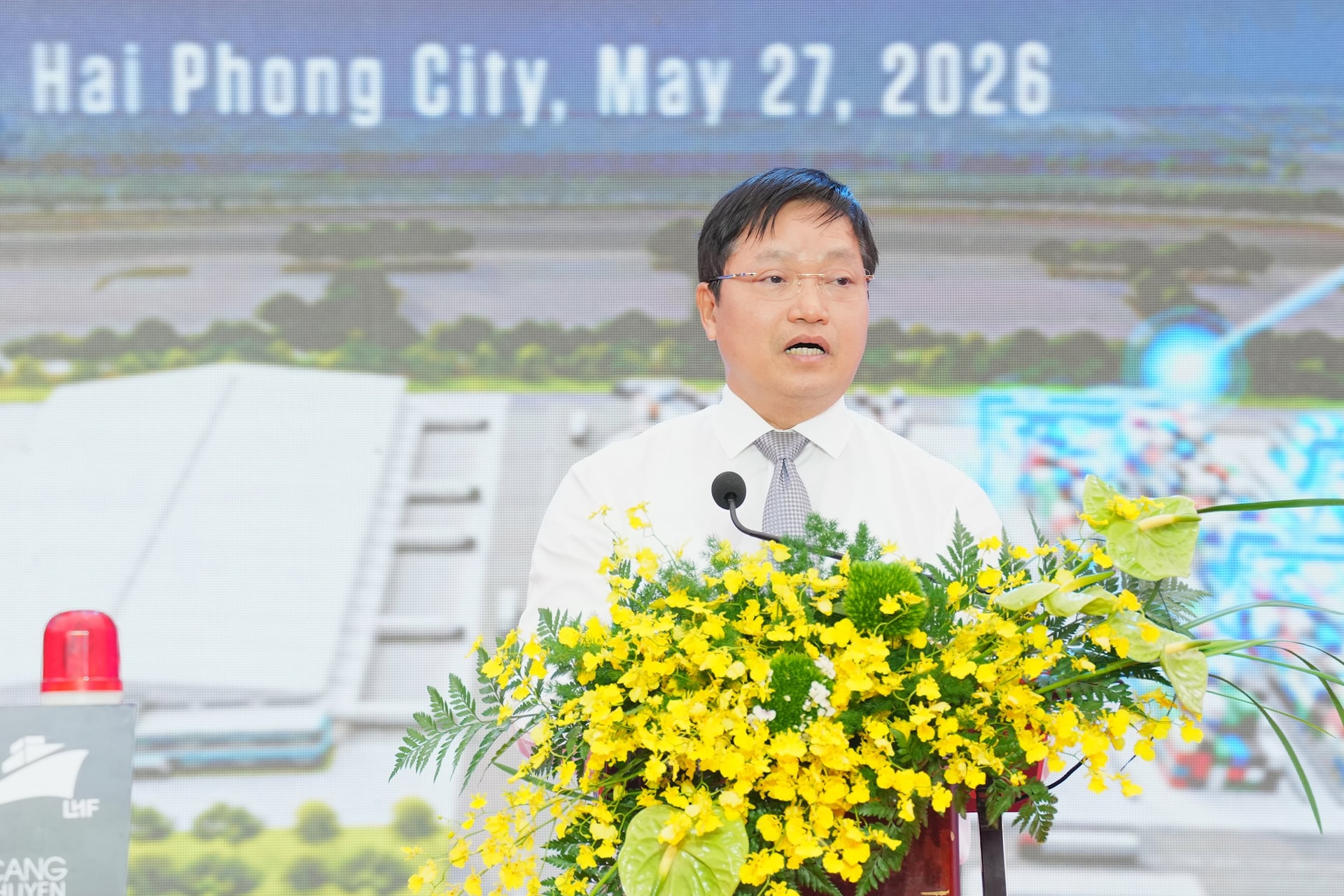
In actual supply chain operations, a container does not only need to arrive at the port on time. It must be inspected, classified, stored, consolidated or deconsolidated, supported by documents, maintained in proper technical condition and ready to connect with multiple transport modes. When these functions are integrated within one center, enterprises can reduce hidden costs, limit operational risks and improve the predictability of cargo flows. This is the core value of modern logistics centers: they do not simply serve ports; they optimize the entire movement cycle of goods.
Green Logistics and the Prospect of Cross-Border Connectivity
A key highlight of Tan Cang Lach Huyen Logistics Center is its development orientation as the first green logistics model in Lach Huyen. The use of electric RTG cranes and the gradual application of international standards for operations, supply chain security and environmental protection show that the project is moving along a sustainable development path. Its target of moving toward LEED and C-TPAT standards not only enhances competitiveness, but also aligns with the increasingly strict requirements of global trade in transparency, safety, emission reduction and environmental responsibility.
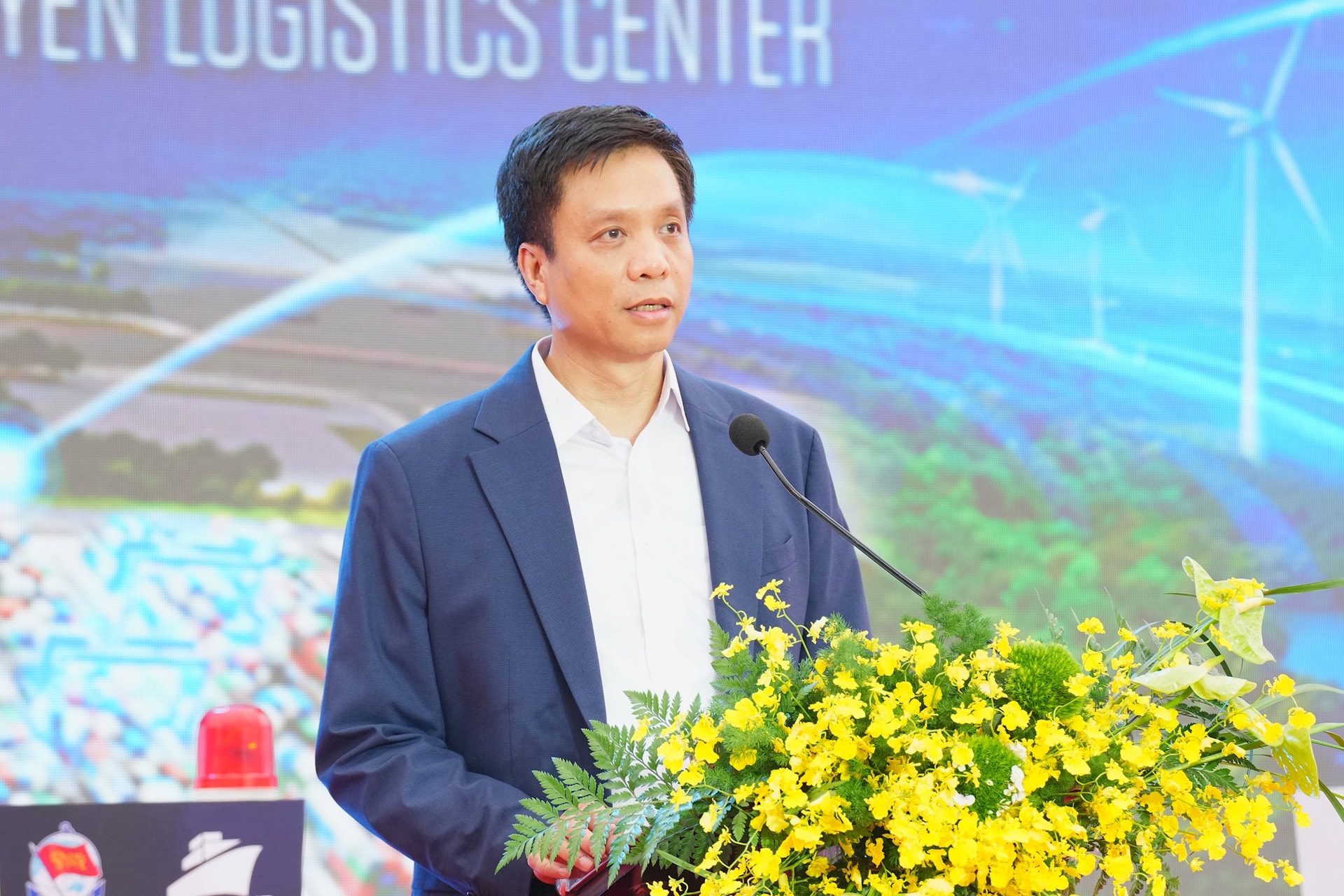
At a broader connectivity level, its proximity to the planned Vietnam - China intermodal route is expected to position Tan Cang Lach Huyen as a strategic link in a cross-border logistics network. When cargo can move quickly between seaports, roads, industrial parks and intermodal transport routes, Hai Phong gains more conditions to strengthen its transshipment capacity and expand its role in trade corridors connecting Vietnam, China and international markets.
The center’s launch also demonstrates the investors’ customer-centric commitment. In a volatile market environment, enterprises need more than a single-service provider; they need a partner capable of supporting cost optimization, time management, risk control and stable cargo flow organization. With its strategic location, integrated service model and green orientation, Tan Cang Lach Huyen Logistics Center is expected to provide a reliable new option for the business community in Northern Vietnam.
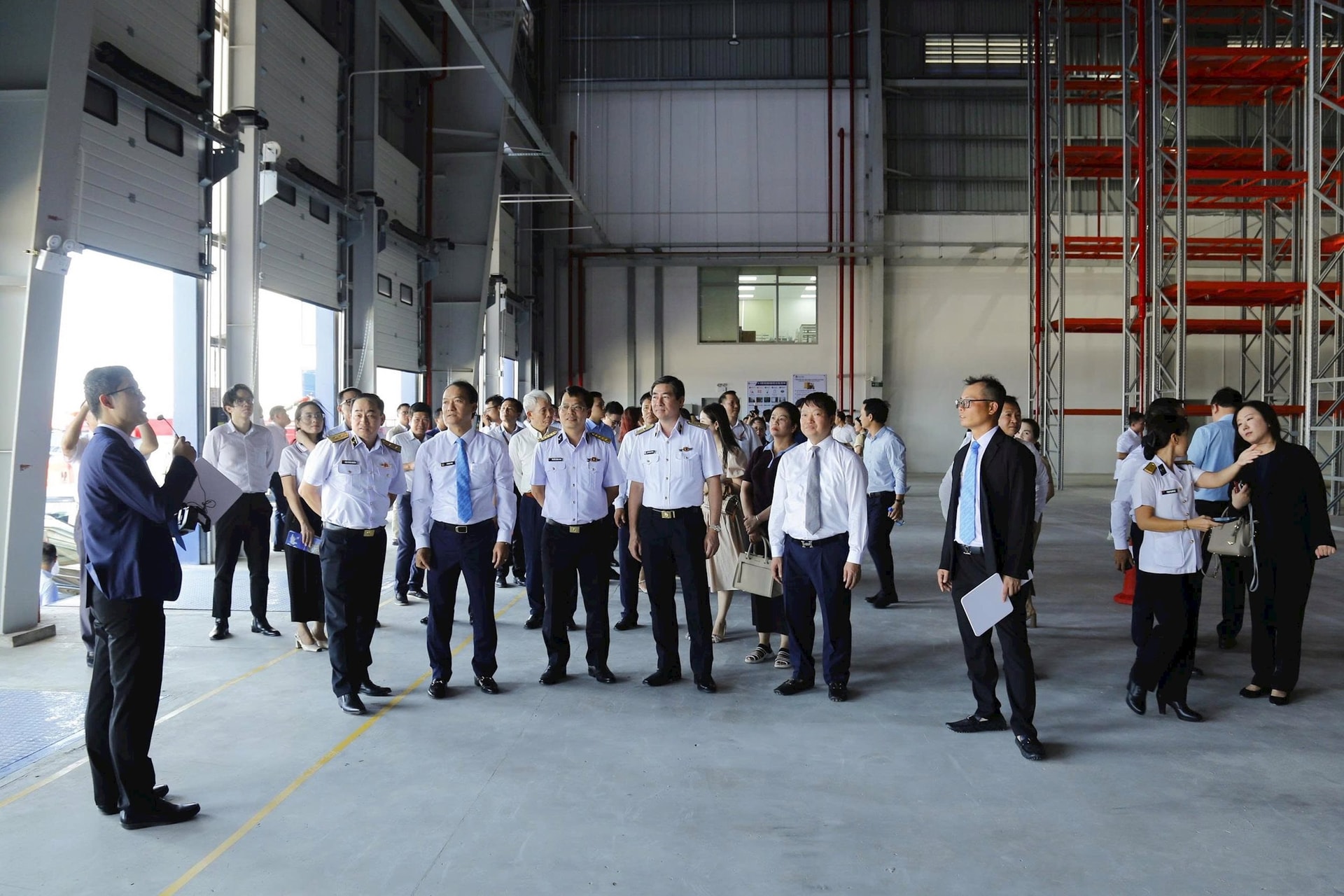
From a regional development perspective, Tan Cang Lach Huyen Logistics Center is a strategic piece in completing the port and logistics ecosystem at Northern Vietnam’s gateway. From a back-up facility behind the port, the project can become an important transshipment hub where cargo is connected faster, supply chains are organized more intelligently and green logistics values are gradually realized. In Hai Phong’s journey toward becoming a modern regional seaport and logistics center, projects such as Tan Cang Lach Huyen provide the foundation for Vietnamese logistics to reach further on the global trade map.



.png "Dien Bien builds investment value chains to power its next growth chapter")

.jpg "Dien Bien, Yunnan and Luang Prabang: Expanding Regional Cooperation and Investment Opportunities")