
From Special Requirements to Technological Mastery
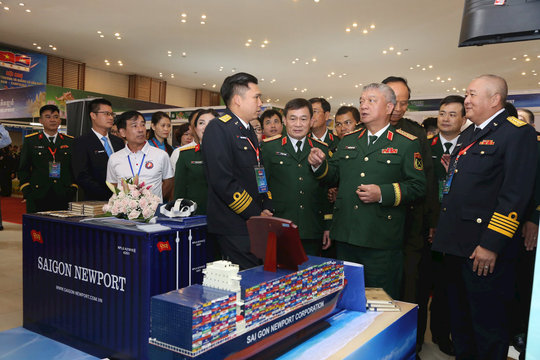
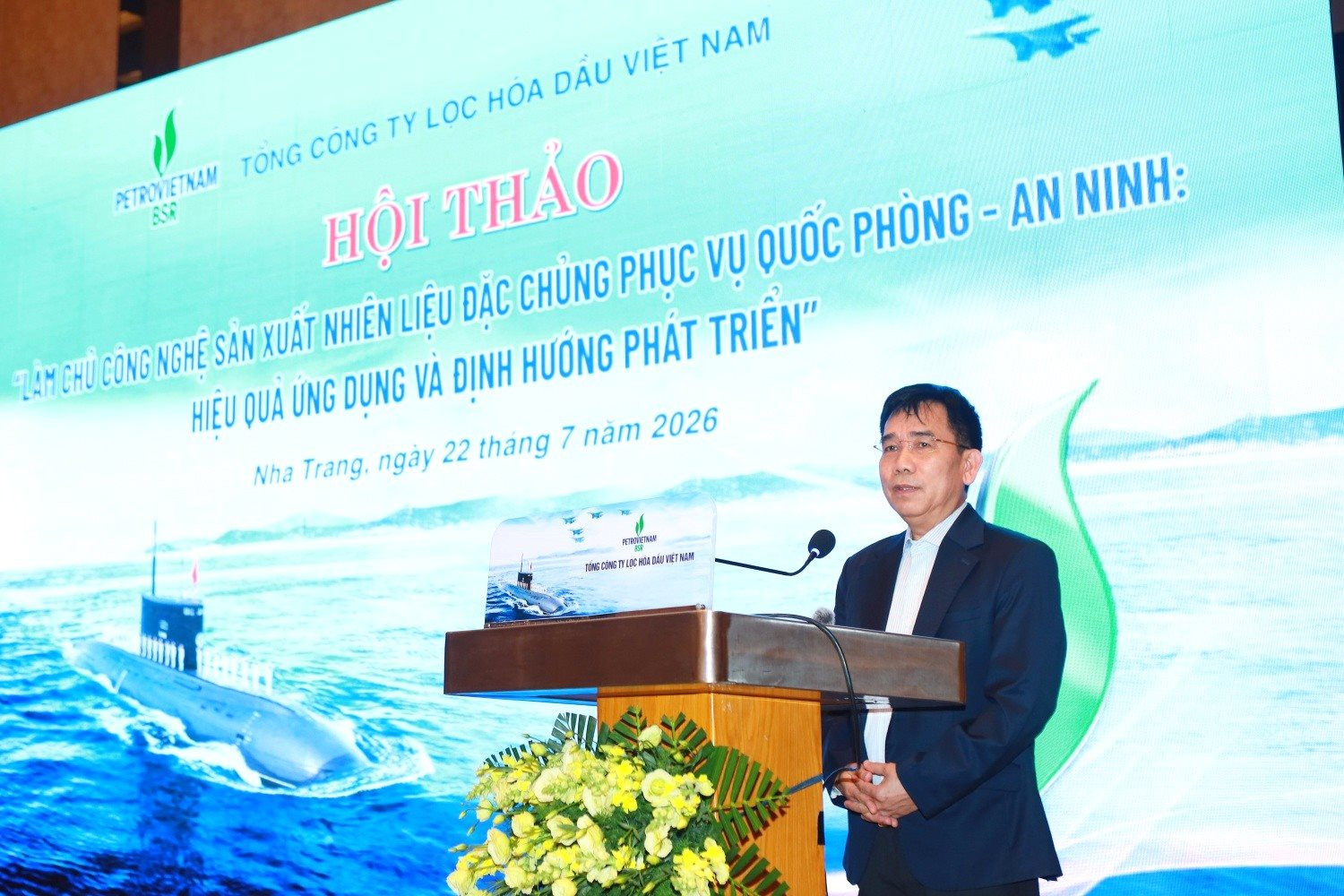
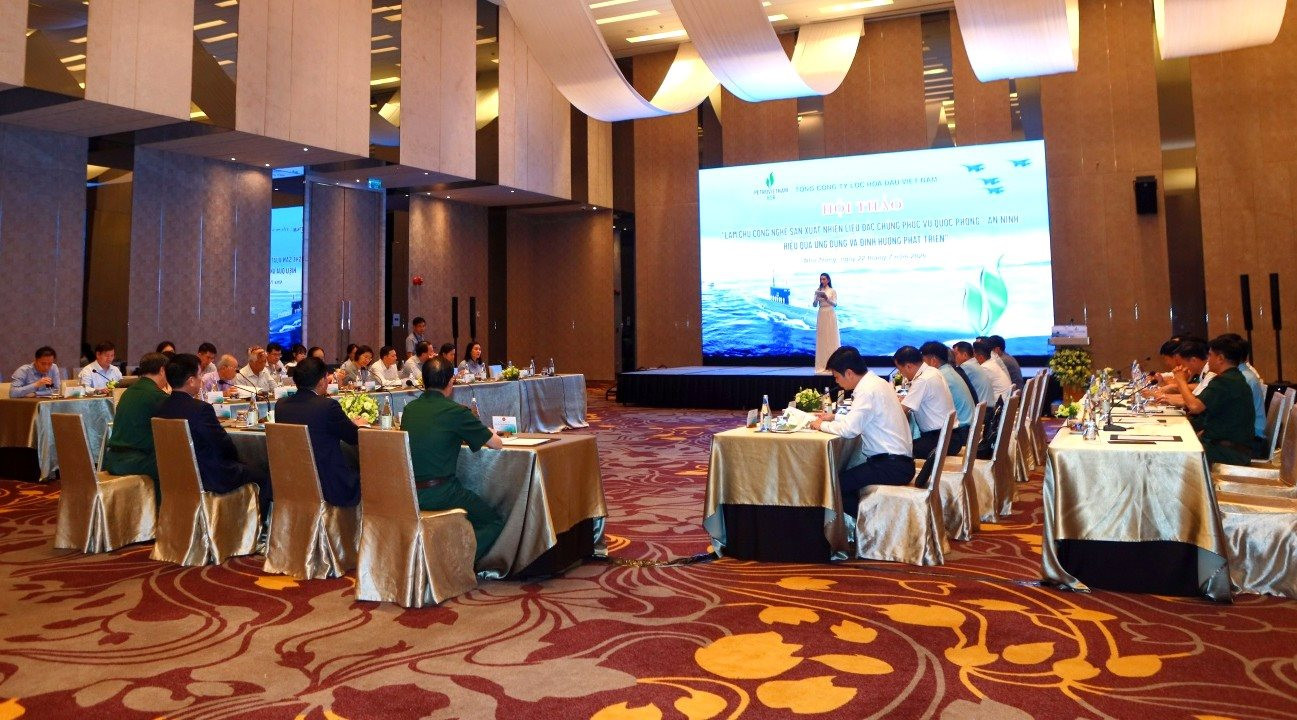
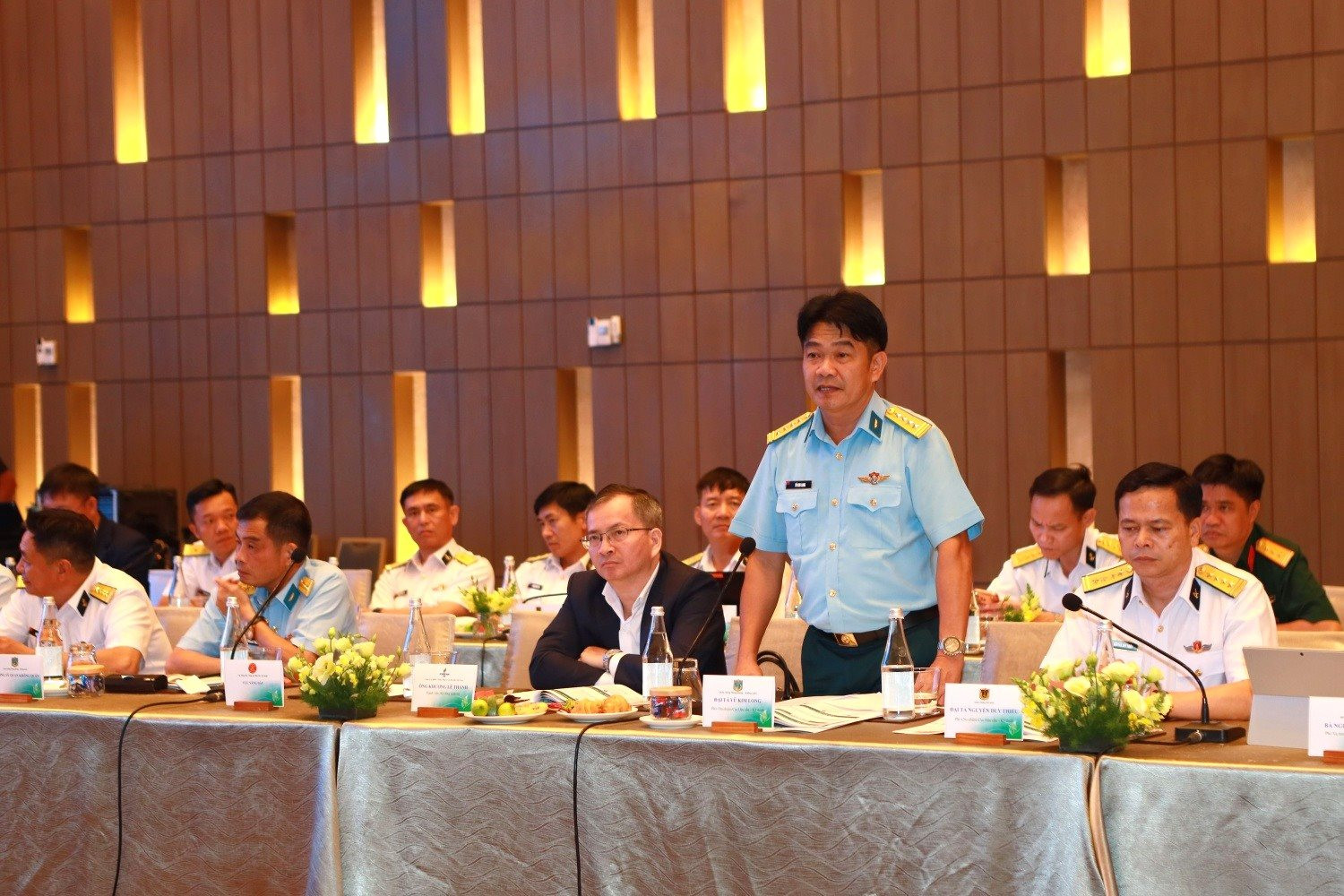
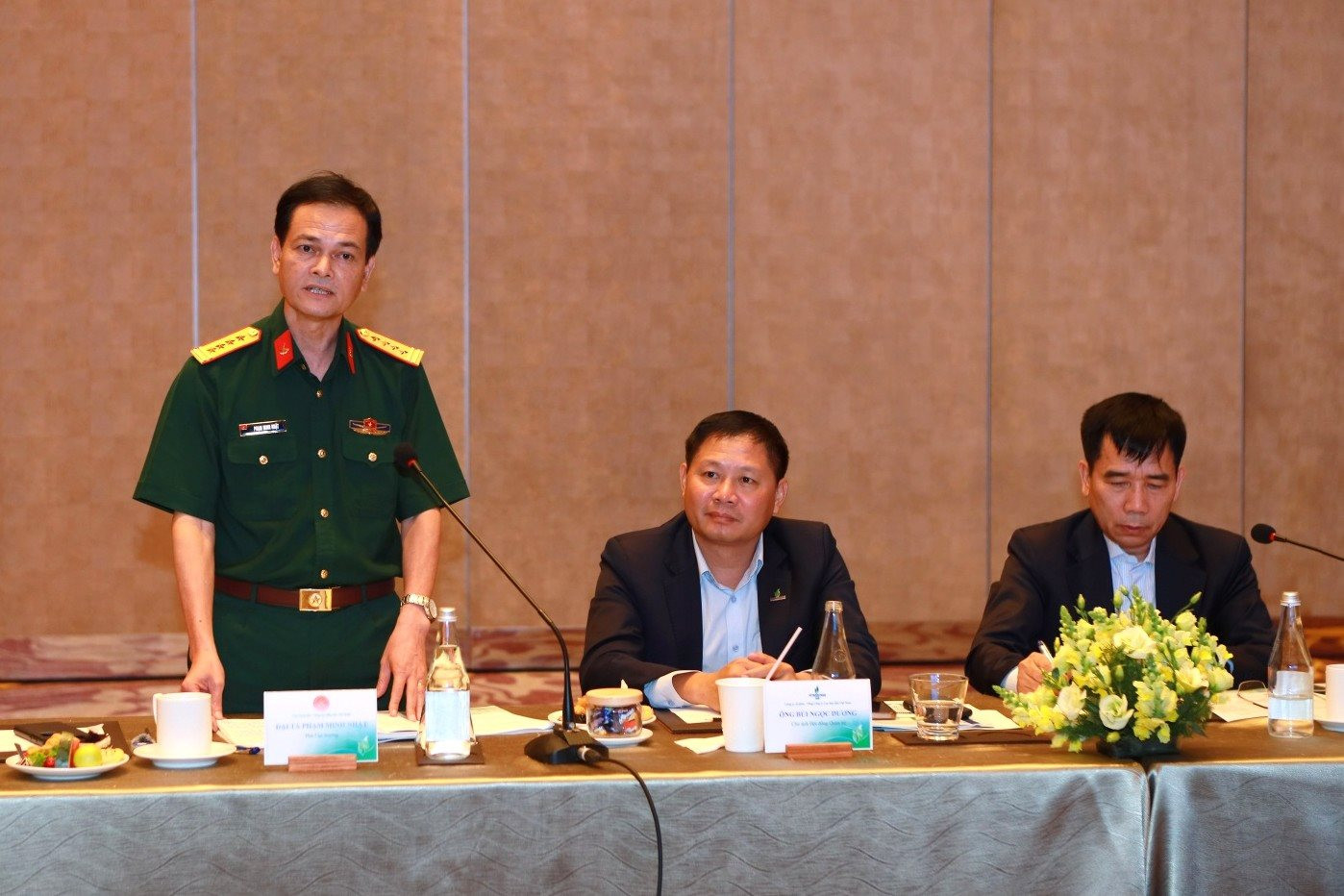
On July 22, 2026, BSR held a scientific workshop to evaluate the project “Research and Development of Technologies for Producing Specialized Fuels for National Defense and Security at the Dung Quat Oil Refinery.” Petrovietnam selected the project for nomination for the seventh Ho Chi Minh Prize in Science and Technology, recognizing a long-term research program directly linked to securing fuel supplies for Vietnam’s armed forces.
The task involved far more than introducing a new product. Defense fuels must meet stringent military specifications, remain compatible with military equipment, retain stability during long-term storage and operate safely across diverse climatic conditions. At the same time, Dung Quat had to maintain continuous production and preserve overall efficiency when switching between commercial fuels and specialized defense products.
Beginning in 2012, BSR worked with the military fuel authorities, the Vietnam-Russia Tropical Centre and specialized institutions to assess feedstocks, establish process configurations, produce test batches and conduct trials. During 2012-2014, Jet A-1K and DO L-62 passed domestic and international testing and were evaluated on military equipment. National defense standards TCVN/QS 1755:2014 and TCVN/QS 1754:2014 were also developed as the basis for production, quality management and long-term use.
BSR solved three difficult requirements simultaneously: meeting stringent military fuel specifications, maintaining safe and continuous refinery operation, and switching flexibly between commercial and specialized defense fuels. This capability demonstrates how a civilian refinery can evolve into a dual-use technology platform that supports both economic activity and national defense without requiring a completely separate production system.
A Domestic Supply Chain for Strategic Missions
BSR now produces specialized products including Jet A-1K aviation fuel, DO L-62 diesel and RON 83 gasoline for military aircraft, warships, submarines and other special equipment. It became the second producer outside the Russian Federation licensed by the relevant Russian authority to manufacture Jet A-1K and DO L-62 for Russian-made military platforms and specialized equipment.
Operational use has demonstrated safety, stability and reliable performance. Jet A-1K was assessed at multiple flight-hour milestones, while DO L-62 has been used on submarines and naval vessels over extended periods. Verification on operational platforms provides an essential basis for the armed forces to incorporate domestically produced fuels into reserve, storage and routine-use plans rather than relying completely on imports.
The most important outcome is a domestic supply chain. During geopolitical conflict, shipping disruption or tighter export controls, military fuels can become difficult to obtain. Production at Dung Quat shortens delivery times, reduces foreign-exchange, transport and insurance risks, and improves the ability to respond quickly to training, combat-readiness and strategic-reserve requirements.
According to BSR, research and technical-improvement expenditure totaled about VND 25.7 billion, while cumulative revenue from the products reached VND 4,058.9 billion. Domestic production allows the Ministry of National Defense to save an estimated 15-20% compared with imports, equivalent to VND 610-810 billion. The financial impact is substantial, but the greater value lies in creating a strategic industrial capability that ordinary market metrics cannot fully capture.
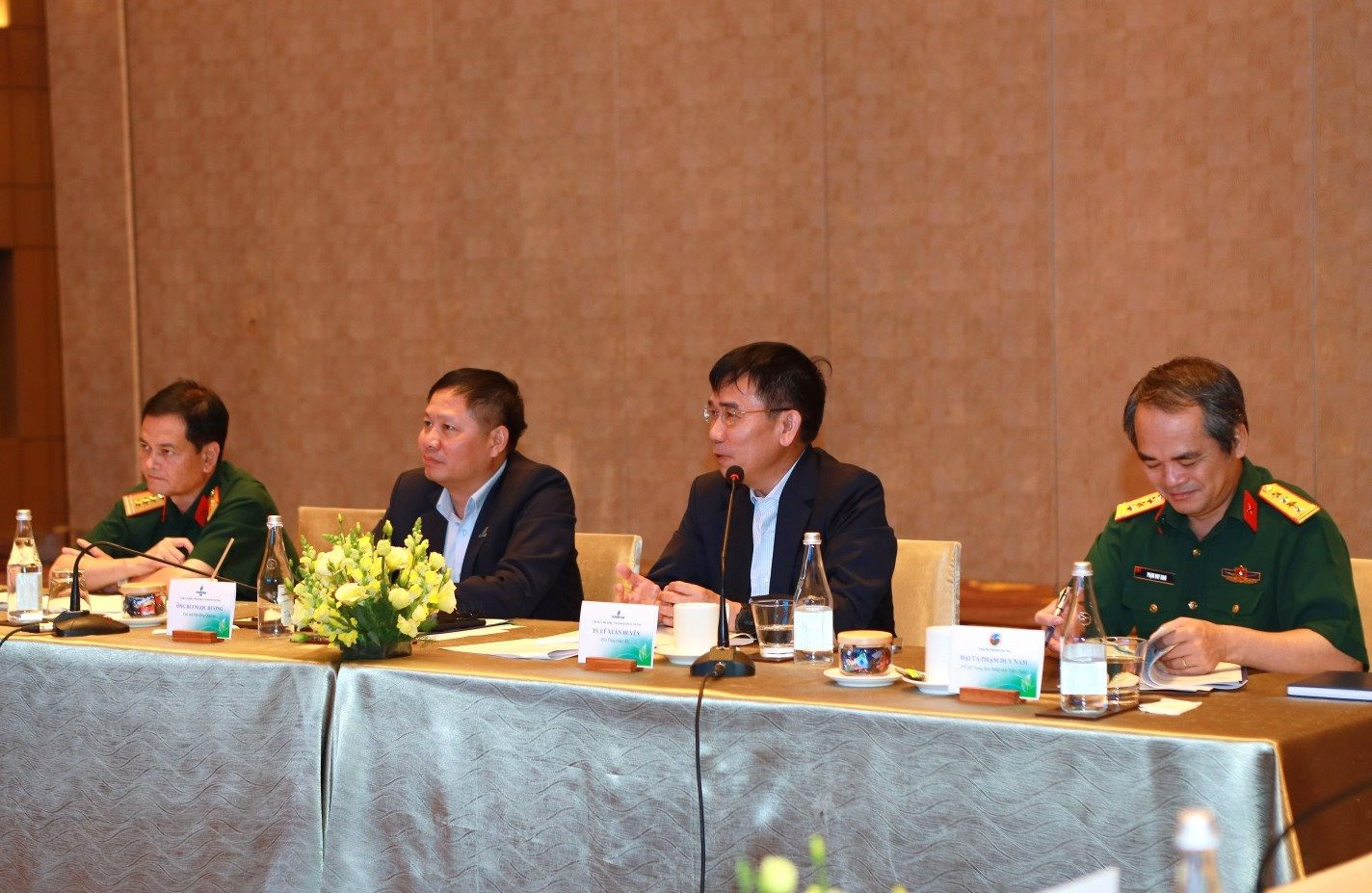
With research and technical-improvement expenditure of about VND 25.7 billion, the project generated more than VND 4,058 billion in revenue. Domestic production cuts procurement costs by an estimated 15-20%, saving the defense budget VND 610-810 billion. More importantly, Vietnam materially reduces exposure to exchange-rate movements, transport and insurance costs, and supply interruption during periods of international instability.
From Specialized Products to Dual-Use Industrial Capability
BSR’s success shows that science and technology create strategic strength when integrated into industrial-scale production. Rather than building an isolated system, engineers modified the existing refinery configuration, selected suitable feedstocks, adjusted operating conditions and strengthened quality control. This approach maximized existing assets, limited additional capital requirements and allowed the refinery to continue supplying the civilian economy.
The project is also a practical model of dual-use technology. Research undertaken for defense has strengthened BSR’s process-management, laboratory, quality-control and product-development capabilities. These competencies can support future work on sustainable aviation fuel, biofuels, lower-emission products and fuel grades designed to meet increasingly demanding international standards.
To sustain the advantage, BSR should continue refining standards, monitoring quality changes during long-term storage, updating specifications for new equipment and institutionalizing cooperation with the Ministry of National Defense, Petrovietnam and scientific agencies. Specialized storage and logistics systems, together with emergency production-switching plans, should be tested, quantified and integrated into national fuel-supply scenarios.
The Dung Quat Refinery Expansion and Upgrade Project will increase feedstock flexibility, product quality and processing scale. If lessons from specialized-fuel production are incorporated into the design, operation and supply-chain governance of the expanded configuration, the refinery can better serve civilian demand, strategic reserves and special missions under difficult and unpredictable conditions.
Defense-fuel autonomy is not simply the replacement of imported products. It is the capacity to sustain national defense through domestic science, industry and energy infrastructure. From Dung Quat, BSR has shown that well-organized research can be transformed into strategic products, economic value and national resilience. The achievement strengthens Vietnam’s ability to remain proactive in all circumstances while expanding the contribution of the domestic refining and petrochemical industry to national protection and development.
.png "BSR Accelerates Investment on Its Path to Southeast Asia’s Top 8")



.png "BSR Secures Fuel Supply, Accelerates Dung Quat Upgrade")