
The last mile is not “last” in experience management
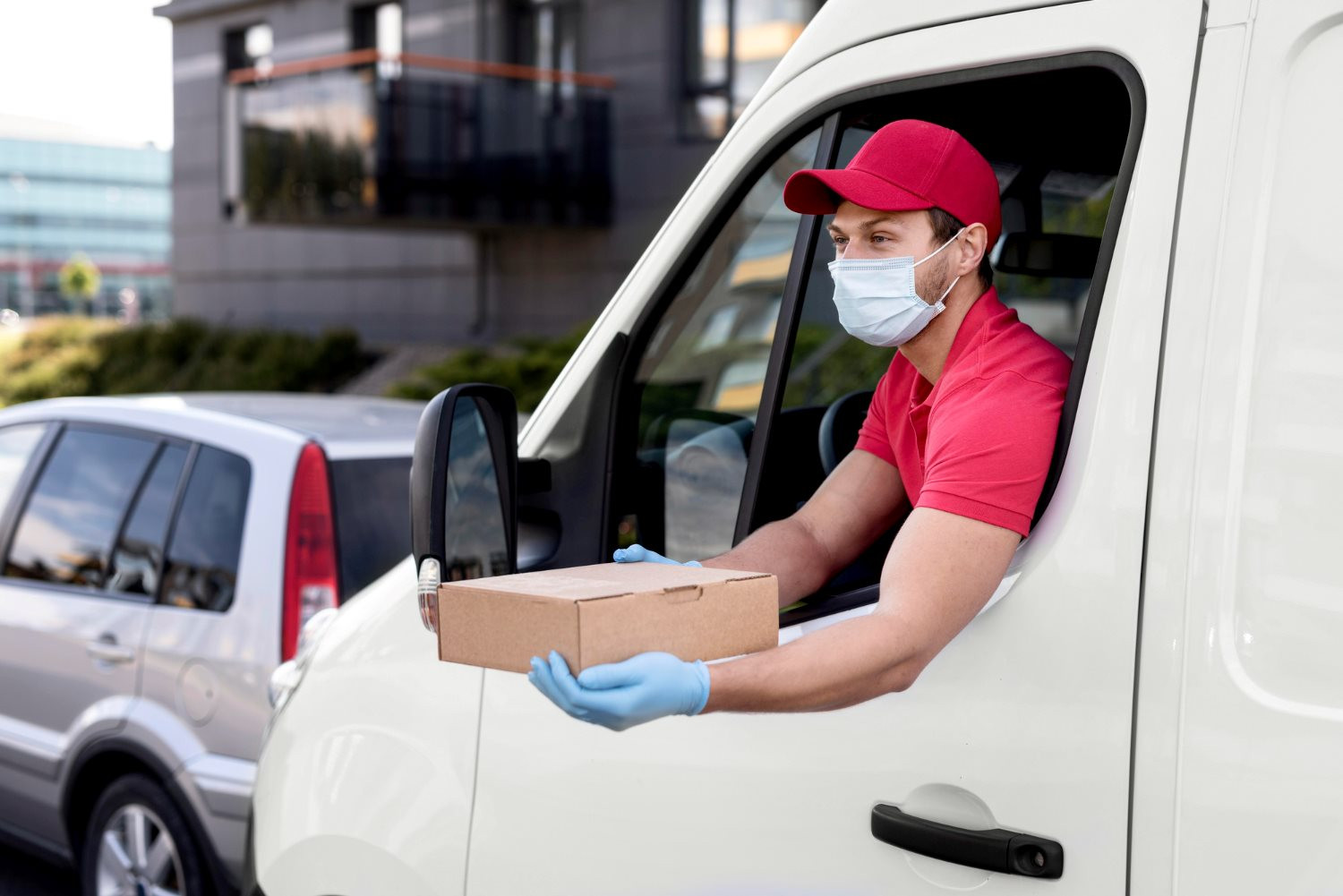
From the consumer’s perspective, logistics is often judged at the last mile. Customers do not know how the warehouse network operates, which sorting centre the order passed through, how vehicles consolidated shipments or how routes were optimised. They know only one thing: whether the order arrives at the right time, at the right place, with the right product and the right experience.
For that reason, last-mile delivery is not merely a delivery function. It is the direct touchpoint between brand and customer. A delayed order, unreachable driver, damaged package, wrong product or difficult return process can damage the entire shopping experience, even if the product and marketing were strong.

In major cities such as Ho Chi Minh City, Hanoi, Da Nang and Can Tho, the last-mile challenge is becoming more complex. High population density, traffic congestion, narrow alleys, flexible delivery times, customers changing addresses, low-value but high-volume orders, returns, labour costs and fast-delivery expectations all make the last mile one of the most costly and difficult parts of urban logistics.
From delivery to urban coordination
Urban last-mile delivery cannot be solved simply by adding more drivers or motorbikes. When order volumes rise, increasing vehicles without redesigning the network only expands costs, adds traffic pressure, increases emissions and still does not guarantee service quality.
The essence of last-mile logistics is coordination. Companies must answer many questions at once: which order goes first, which orders can be grouped, which time window is suitable, which driver is closest, which delivery point is likely to fail, which route is congested, which customers often reschedule, which area needs a transfer point, which goods need special handling and where returns should go.
Technology can help significantly: delivery management systems, route optimisation, real-time location, delivery history analysis, urban zoning, area-based demand forecasting, automated customer notifications, e-payment, electronic proof of delivery and performance dashboards. But technology works only when the network is designed properly.
A large city should not rely only on one distribution centre far from the centre to serve all areas. It needs multiple layers: regional distribution centres, cross-dock points, micro-fulfilment centres, pickup points, smart lockers, stores as delivery nodes, area-based delivery partners and cluster-based order consolidation.
Last-mile delivery is not only “the final delivery step”. It is where logistics cost, customer data, urban traffic, brand experience and technology capability meet. Companies that optimise the last mile can reduce cost, increase successful delivery rates and retain customers better.
Four major pressures in Vietnam’s last mile
The first pressure is cost. The last mile is expensive because orders are small, delivery points are scattered, failed delivery rates exist, drivers wait for customers, returns occur and labour costs rise. For low-value orders, delivery costs can consume much of the margin. If businesses do not calculate last-mile costs correctly, selling more may actually mean losing more.
The second pressure is speed. Consumers are increasingly accustomed to same-day, fast or even within-hours delivery. But higher speed creates higher cost unless the network is close to customers. Sustainable fast delivery requires inventory to be positioned nearer demand, better forecasting and more effective urban warehousing.
The third pressure is successful delivery rate. A failed delivery creates many hidden costs: driver time is wasted, the system must reassign the order, goods return to the warehouse, customers become frustrated, inventory is suspended and sales may be lost. Successful delivery depends on address data, time windows, customer communication, payment method and the ability to predict receiving behaviour.
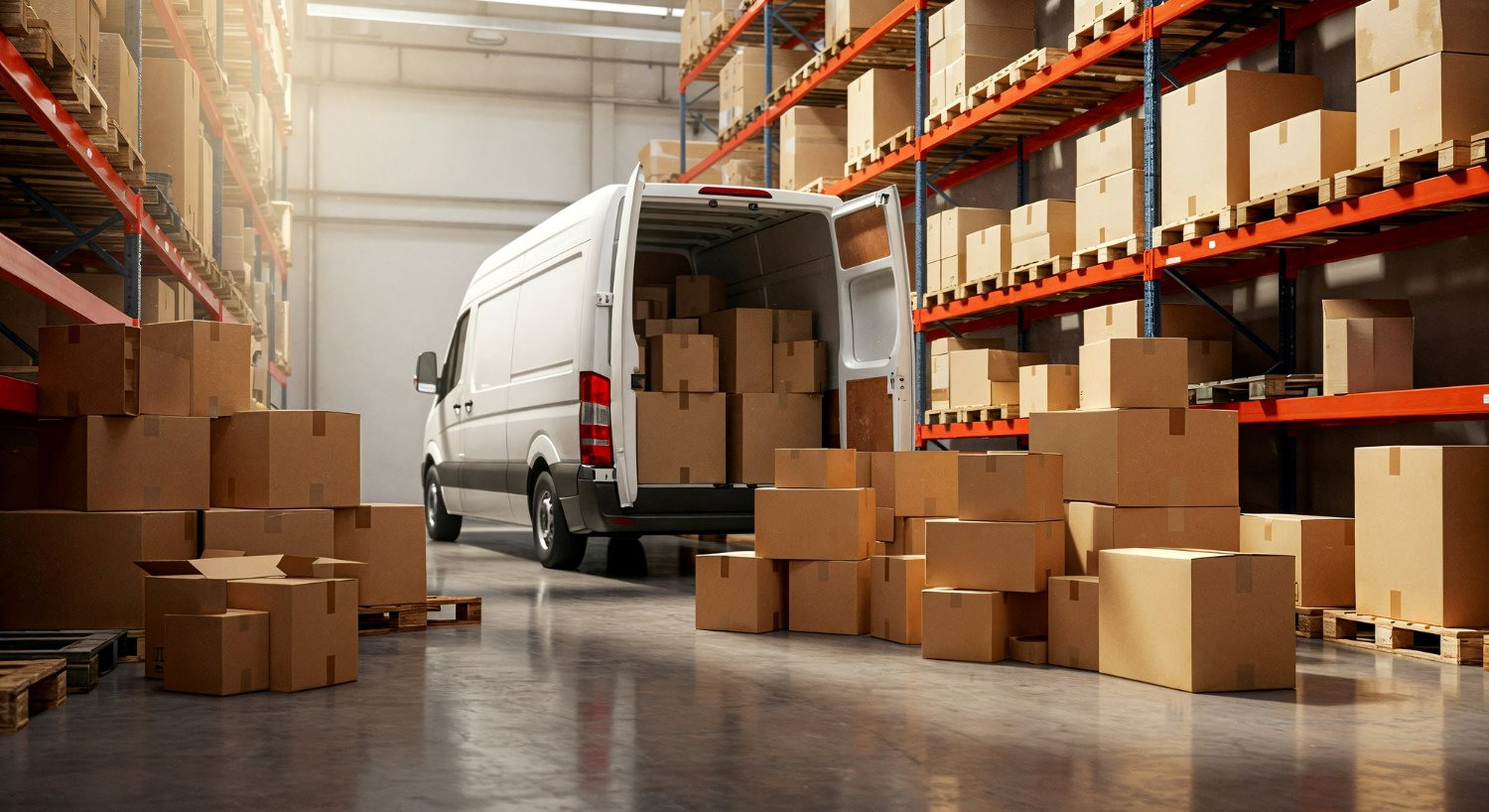
The fourth pressure is emissions and urban order. As delivery volumes grow, the number of urban trips also increases. Without route optimisation, consolidation points and suitable vehicles, the last mile contributes to congestion, noise and emissions. In the future, major cities may pay more attention to low-emission zones, delivery time windows, electric vehicles and delivery regulations in central areas.
The last mile must integrate with fulfilment and customer data
A common mistake is to separate last-mile delivery from warehousing and sales. In reality, the last mile begins when an order is placed. If product data is wrong, addresses are unclear, warehouses process slowly, packaging is unsuitable or orders are split into too many parcels, the last mile carries the consequences.
Good fulfilment makes the last mile easier. Right-sized packaging reduces transport cost. Area-based sorting helps drivers deliver faster. Location-based inventory data allows orders to ship from the closest node. Clear return policies reduce disputes at delivery. Order status notifications help customers prepare to receive goods.
Customer data is also crucial. Which customers usually receive goods in the evening? Which areas have high failed-delivery rates? Which apartment buildings require reception drop-off? Which addresses are hard to find? Which customers often return items? If managed well, this data helps companies optimise routes, allocate drivers, select delivery windows and reduce redelivery.
The future of urban last-mile logistics
Urban last-mile logistics will likely develop in five directions.
The first is micro-fulfilment: positioning selected inventory closer to customers, especially fast-moving goods, consumer products, food, cosmetics, non-prescription pharmaceuticals and high-frequency e-commerce items.
The second is pickup networks: convenience stores, smart lockers, mini post offices, community service points and partner offices can reduce home-delivery costs and improve pickup success rates.
The third is greener vehicles: electric motorbikes, small electric trucks, e-bikes, residential-area delivery vehicles and low-emission delivery models will attract more attention as ESG enters urban logistics.
The fourth is AI route optimisation: systems can learn from delivery history, traffic conditions, customer behaviour and driver productivity to suggest better routes, time windows and dispatch plans.
The fifth is public-private cooperation in urban logistics. Logistics companies cannot solve traffic, parking, delivery regulations and urban infrastructure alone. Coordination is needed among city authorities, e-commerce companies, retailers, transport providers and residential communities.
Urban last-mile delivery is one of the most expensive links in logistics, but also one of the most influential in customer experience. In the digital economy, customers do not only buy products; they buy speed, convenience, visibility and the feeling that promises are kept.
For Vietnam, last-mile optimisation cannot rely only on a large delivery workforce. It requires a smarter approach: better data, networks closer to customers, more accurate fulfilment, more suitable vehicles and more balanced urban governance. Companies that solve the last-mile challenge will hold a major advantage in modern commerce.
.png "BSR Secures Fuel Supply, Accelerates Dung Quat Upgrade")
.png "BSR Broadens Crude Slate, Strengthens Competitiveness")