












In the near future, companies will not only have to export goods, but also reliable emissions data attached to those goods, as a new form of trade documentation.
Many businesses now speak about emissions reduction, yet the hardest part lies outside the factory walls - with suppliers, transport, warehousing, and post-sale journeys.
If large corporations see digitalization as an upgrade, SMEs should see it as a condition for remaining competitive in an increasingly standardized and transparent market.
The more disconnected software systems a company uses, the more likely it is to fall into data islands, making operations more complicated rather than simpler.
A cyberattack can paralyze warehouse systems, orders, waybills, and vehicle fleets, yet many companies still treat cybersecurity as merely an IT department issue.
Digital replicas are opening the possibility of simulation, experimentation, and optimization before real-world action, helping firms reduce the tuition paid for operational mistakes.
After years of being promoted as a miracle technology, blockchain now needs to be assessed more pragmatically: does it reduce disputes, improve transparency, and speed up verification or not?
From refrigerated containers to vehicle fleets, sensors are helping logistics move from post-incident reaction to pre-incident prevention through real-time data.
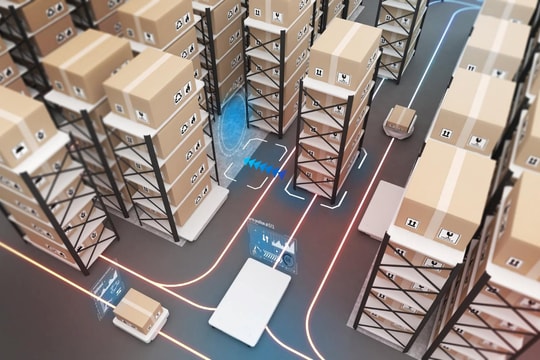
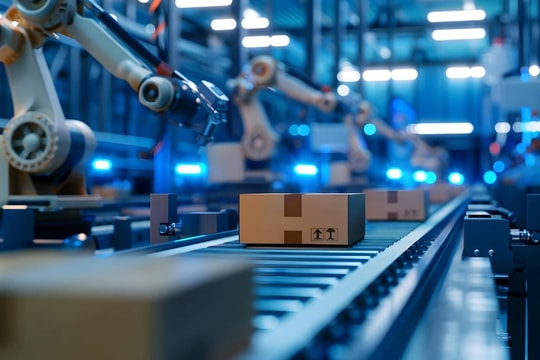
Warehouse automation is not a beauty contest in technology; it is a question of payback, cargo-model fit, and the operational maturity of the enterprise.
A supply chain may have good warehouses, vehicles, and people, yet still fail if its core data is inaccurate, duplicated, or fragmented across departments.
AI is no longer something to watch from a distance; businesses are now being forced to answer where value appears, how quickly it appears, and by which metrics it should be measured.
Expressways are a necessary condition for modern logistics, but not a sufficient one if cargo consolidation centers, transfer points, and intelligent coordination are missing.
In border trade, a few hours of customs clearance can make a major difference to the entire value chain, especially for fresh goods, seasonal goods, and products promised for rapid delivery.
The term logistics center is being used too loosely, even though a true center must organize cargo flows, services, and data according to regional logic.
Everyone talks about multimodal transport, yet very few companies truly operate it seamlessly because the connecting infrastructure, connecting data, and connecting mechanisms are still inadequate.
Risk in air cargo does not come only from prohibited goods or dangerous items, but also from flawed data, inaccurate declarations, and weak links in digitalized processes.