
Cathodes, coils, wire rod and scrap should therefore no longer be managed as routine metal freight; they increasingly need the security profile of high-risk cargo.
When copper prices rise, theft incentives rise with them
Copper prices remained exceptionally high in 2026. Reuters reported three-month LME copper at USD 14,343 per metric tonne in late August, close to the record at the time, before the market moved to new highs in September. At those levels, a truck carrying 20 to 25 tonnes of copper may represent several hundred thousand dollars of cargo value.
TT Club's claims experience shows a strong shift in theft exposure. Copper theft claims rose from two incidents in 2016 to 37 in 2025, more than an eighteen-fold increase, while claim severity in 2025 was around twenty-five times the 2016 level. Copper was also the single most commonly stolen cargo in TT Club's 2025 dataset.
Price is only part of the attraction. Cathode, coil, cable and scrap have deep secondary markets and can be cut, melted or mixed with legitimate material, quickly weakening traceability. Compared with products carrying unique serial numbers, many forms of copper can lose their original identity shortly after leaving the legitimate supply chain.

CargoNet reported the same direction in Q2 2026. Metal theft rose from 54 incidents in Q2 2025 to 80 in Q2 2026, with copper remaining the most frequently targeted metal. Overall incident volume fell, yet estimated cargo-theft losses rose sharply, showing that criminals are increasingly concentrating on high-value opportunities.
Copper security therefore needs dynamic risk assessment. Routes, parking standards and monitoring levels should change when copper prices rise, new theft clusters emerge or scrap-market liquidity increases. Security should be linked to current value at risk, not fixed permanently by transport mode or contract type.
The greatest exposure is on the road and at handover points
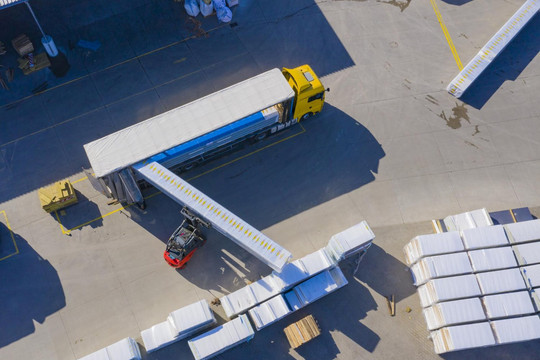
Road transport dominates the loss picture. TT Club's 2025 claims data shows that 80% of cargo-theft claims occurred in road movements. Copper loads often pass through rest areas, depots, industrial zones and temporary parking before reaching a plant or port, creating multiple opportunities for attack or diversion.
Forced entry and curtain slashing remain common, especially at unsecured parking and overnight stops. Yet modern copper theft is not purely physical. Fraudulent-carrier activity accounted for 32% of TT Club claims, while 14% involved suspected insider participation. A weak release process can therefore be as dangerous as an unprotected parking area.
Journey design should follow a no-unnecessary-dwell principle. Operators can pre-approve routes and secure parking, establish no-stop rules for sensitive early stages where appropriate, and create early-arrival procedures so drivers do not wait outside facilities. Uncontrolled dwell time is often where responsibility becomes unclear and risk increases.

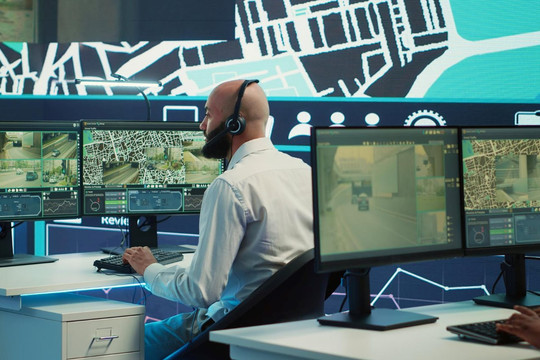
Equipment should match cargo value. TT Club recommends hard-sided enclosed trailers, multiple covert GPS devices placed on both equipment and cargo, and continuous monitoring. For higher-value copper loads, geofencing, door sensors, panic alerts and a control tower able to contact drivers immediately after route deviation can materially improve response time.
Handover controls are equally important. Driver, tractor, trailer, pickup code and booking reference should be verified before cargo release. Last-minute changes to vehicle, dispatcher, delivery location or consignee should trigger an independent callback and, where necessary, a shipment hold. Copper is too easy to resell for warehouses to rely on documentation that merely appears plausible.
|
A high-risk copper shipment should be protected by at least six layers: carrier vetting; driver and vehicle authentication; approved routes and secure parking; hard-sided equipment and seal control; multiple GPS trackers with 24/7 geofencing; and a handover protocol that allows cargo to be held when anomalies appear. These controls must work together. A good tracker cannot compensate for a fraudulent carrier, and a secure warehouse cannot compensate for uncontrolled dwell time on the road. |
Large copper flows justify a higher security standard
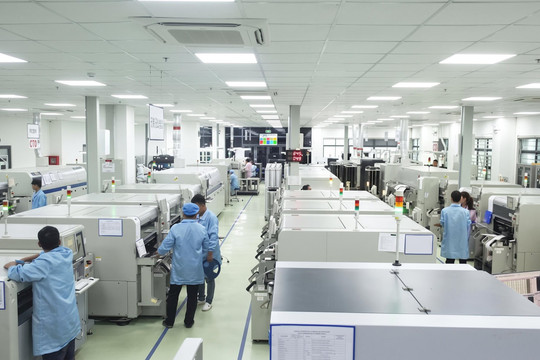
Vietnam uses copper not only in construction but in cables, electrical equipment, electronics, motors and industrial manufacturing. Customs data shows that by 15 June 2026, the country had imported 236,385 tonnes of copper worth about USD 3.23 billion. At that scale, copper logistics deserves a dedicated risk profile rather than being treated simply as another base-metal flow.
The exposure does not end at the port. After customs clearance, copper frequently moves by truck to factories, processing sites or intermediate warehouses, often through dense industrial corridors and third-party parking locations. If security is concentrated only at the port or primary warehouse, the road leg can remain the weakest link.
Vietnamese companies should classify copper shipments by value at risk rather than weight alone. Cathode pallets, coil, wire rod, high-grade scrap and semi-finished products may require different security profiles. Loads above defined thresholds can be assigned to approved secure carriers, continuous control-tower monitoring, escorts or other enhanced controls depending on route and threat level.
Facilities also need stronger internal controls. Copper scrap generated as production waste can be lost gradually without a single large theft event. Inbound-outbound weighing, cameras around scrap zones, access control, shift-level reconciliation and exception audits can reduce both pilferage and insider exposure.
Insurance arrangements should also reflect the real risk profile. When copper prices are elevated, insured values, deductibles, security warranties and route limitations need review. A cargo that has appreciated significantly since a contract was signed can leave a company underinsured or operating with protection that is no longer proportionate to the exposure.

Finally, copper-theft intelligence should enter day-to-day logistics management. Shippers, 3PLs, forwarders, carriers and warehouses can share incident alerts, route hotspots, suspicious booking patterns and unusual pickup changes. Copper security is not only a guard-force responsibility; it connects procurement, transport, warehousing, IT, insurance and management.
Copper has become a hot cargo not because it suddenly became rare, but because its value, liquidity and strategic importance are rising faster than the security level for which many transport chains were originally designed.
When a common industrial material becomes high-risk cargo, logistics has to change its mindset. The objective is no longer only cost per tonne, but probability of loss. For copper, competitive advantage will increasingly belong to service providers that can move the metal while preserving its value, custody and the customer's trust.