
Green logistics is more than just a brand color change; it is a profound revolution in management thinking: where economic efficiency must go hand-in-hand with environmental stewardship. This article will analyze this transformation journey through three key dimensions: the foundational pillars, the power of technology, and the future vision within the Vietnamese market.
Definitions and Fundamental Pillars of Green Logistics
Green Logistics is no longer a fringe concept but has become the North Star for sustainable development. Originating from the urgent need to address climate change, the logistics industry—often regarded as the "lifeline" of the global economy—is under immense pressure to mitigate its environmental footprint. This transformation begins with redefining core pillars: it is no longer just about delivering goods the fastest, but doing so in the cleanest way possible.\

Integrating eco-friendly processes into the entire supply chain is a strategic imperative. This encompasses everything from green data management to minimize waste, to a shift in mindset regarding packaging and warehousing. Green logistics creates a new value system where businesses do not just chase financial metrics but also measure their "carbon footprint." When every link—from raw material suppliers to final distributors—aligns with a green standard, we create a truly sustainable value loop.
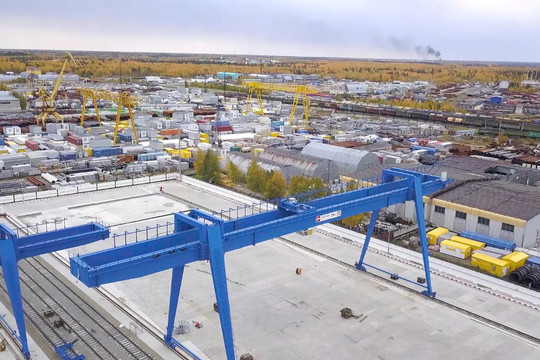
Specifically, in the early stages of this transition, green transportation serves as the "spearhead." By replacing internal combustion engine vehicles with Electric Vehicles (EVs) or Liquefied Natural Gas (LNG) trucks, the transport sector is directly slashing massive amounts of carbon emissions ($CO_2$). Optimizing multimodal transport—combining sea, rail, and road—maximizes capacity and minimizes "empty miles," thereby lightening the burden on the atmosphere.
Technological Breakthroughs and Smart Operational Models
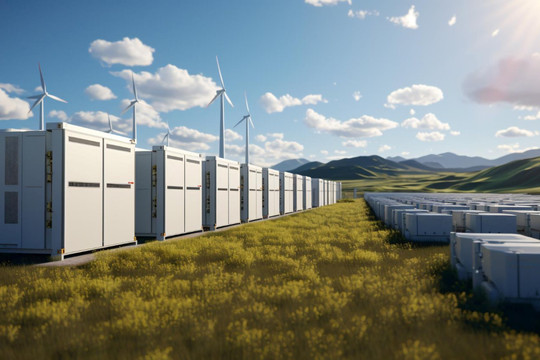
The success of green logistics relies heavily on a revolution in infrastructure and technology. Smart warehousing is the clearest testament to the application of renewable energy. Modern warehouses are now designed to be energy self-sufficient through rooftop solar panels and utilize Warehouse Management Systems (WMS) to optimize space. This not only reduces astronomical electricity costs but also transforms distribution centers into entities that operate in harmony with the environment, rather than being resource-draining machines.
Parallel to infrastructure is the revolution in packaging and reverse logistics. The trend toward minimalist packaging and biodegradable materials is reshaping the face of e-commerce and retail. Precise packaging dimensions not only save materials but also optimize stowing space on transport vehicles. Furthermore, Reverse Logistics allows for the recovery, recycling, and extension of product lifecycles. This is a crucial step in realizing a circular economy, where waste from one process becomes the input for another.
The role of Industry 4.0 technologies, such as AI, Big Data, and IoT, acts as the "operating system" for this entire framework. Artificial Intelligence helps in accurate demand forecasting, preventing overproduction and excess transport—one of the largest sources of waste. IoT enables real-time monitoring of cargo conditions, ensuring goods are not damaged during transit, which significantly reduces food and pharmaceutical waste. Technology is the tool that converts "green" ambitions into quantifiable results on financial balance sheets.
Competitive Advantages, Challenges, and the Future in Vietnam
Implementing green logistics yields clear economic benefits, despite the significant initial investment. In the long run, fuel savings and operational optimization lead to substantial cost reductions. More importantly, a "Green" label has become a powerful passport, helping businesses enter stringent international markets like the EU or North America. Modern consumers, especially younger generations, are increasingly prioritizing brands with environmental responsibility, making green logistics an invaluable branding tool in the new era.

However, the path to "greening" is not without hurdles. The initial investment for electric fleets and charging infrastructure remains a major challenge for Small and Medium Enterprises (SMEs). A lack of synchronized legal frameworks and tax incentives can sometimes slow the pace of transition. Changing the mindset of the workforce and establishing a network of partners who share the same green ideals also requires patience and long-term strategic vision from corporate leaders.
Looking toward the future, Vietnam holds golden opportunities to break through. With the commitment to reach Net Zero by 2050 made at COP26, the Government is creating strong momentum for the logistics industry to transform. Green logistics hubs, eco-ports, and electric delivery fleets are gradually appearing across major cities. The future of Vietnam's logistics industry will not just be about growth in cargo volume, but about growth in the quality of life, where economic flow and environmental vitality are preserved for generations to come.


.jpg "Dien Bien, Yunnan and Luang Prabang: Expanding Regional Cooperation and Investment Opportunities")