
The last mile – the shortest but most complex leg – is becoming a critical test of Vietnam’s urban logistics capabilities in the decade ahead.
Mounting last-mile pressure amid urbanisation and e-commerce growth
In recent years, consumer behaviour in Vietnamese cities has changed dramatically. People are used to “one click, delivered to the door” – for everything from FMCG and fashion to fresh food and medicine. E-commerce platforms, delivery apps and retail chains are competing on speed and delivery experience. Behind promises like “2-hour delivery” or “same-day delivery” lies enormous pressure on the last mile, where motorbikes, small vans and couriers act as the spearhead of the supply chain.
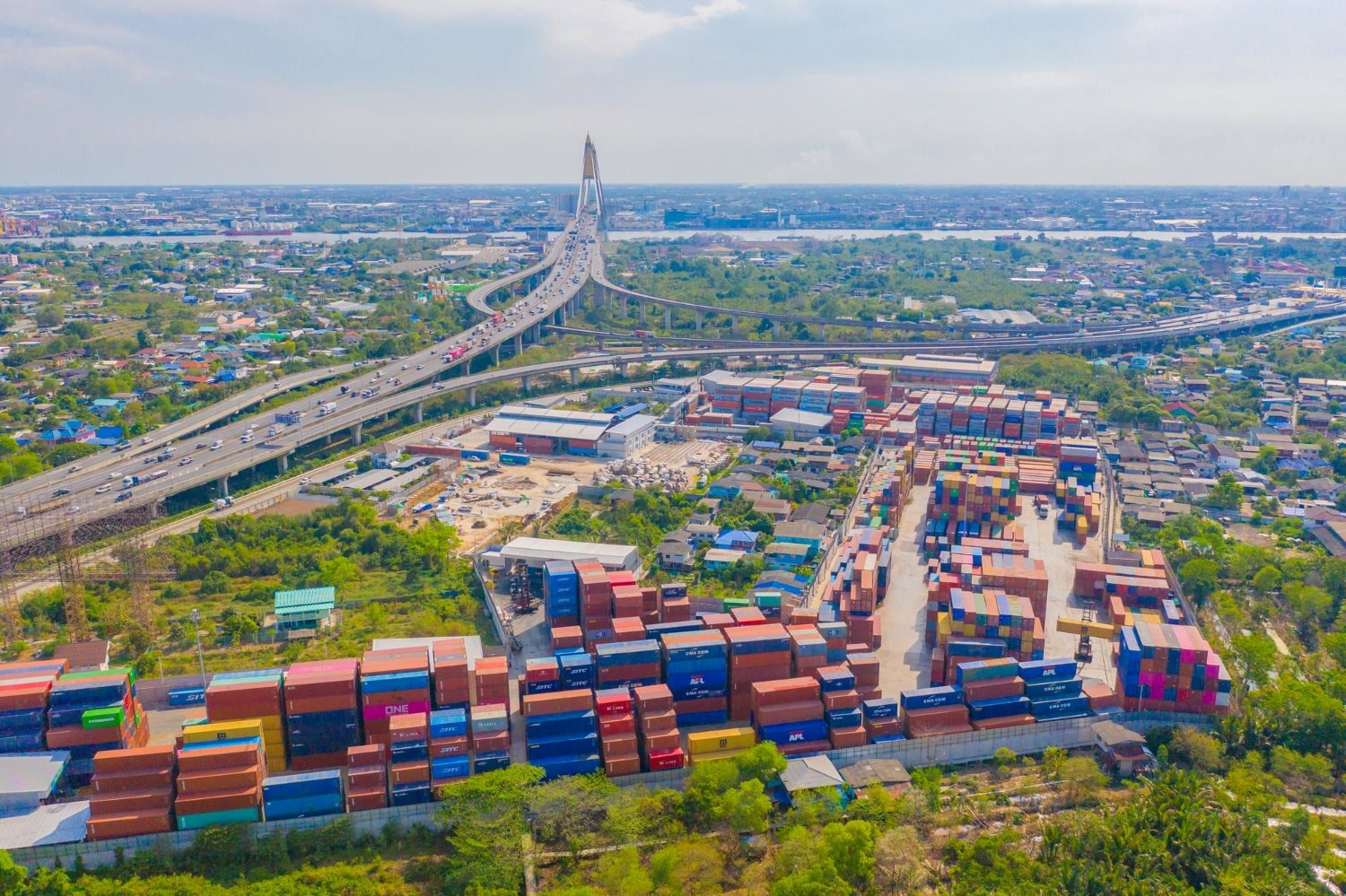
The challenge is that urban infrastructure is already strained by high density, limited land and complex traffic patterns. Trucks entering city centres, motorbikes parking in front of apartment blocks and office towers at peak hours all push last-mile costs up while lowering delivery productivity. In many cases, the last mile now accounts for the largest share of total logistics costs for e-commerce orders, sometimes exceeding intercity transport costs.
On top of that, customers expect more: the ability to choose delivery time windows, real-time tracking, and flexible returns. This turns the last mile into a combined challenge of transport, customer experience, technology and data orchestration. If poorly designed, it becomes the bottleneck that undermines all optimisation efforts upstream in the supply chain.
Redesigning networks: micro-hubs, consolidation and shared infrastructure
To relieve pressure, multiple network models are being explored. One prominent approach is the development of micro-hubs – small, strategically located urban depots near residential areas, offices and mixed-use complexes. Instead of sending large trucks deep into city centres, goods are moved to micro-hubs by medium trucks, then broken down for delivery by motorbikes, light vans or even bicycles and small electric vehicles within a short radius. This reduces pressure on congested arteries and increases the number of stops per route.
Consolidation is another key lever. Rather than each retailer, platform and carrier operating separate fleets and facilities, logistics providers can pool capacity in vehicles, cross-docks and pick-up/drop-off points. With connected data, systems can automatically group orders by route, neighbourhood and time window to optimise delivery paths. Over time, urban consolidation centres at the urban fringe, linked to micro-hubs in the inner city, can significantly reduce the number of vehicles entering downtown areas.
Shared infrastructure is equally important. Office towers, shopping centres and residential complexes can serve as pick-up/drop-off points if appropriately designed and managed. Dedicated areas for parcel handover, staffed or automated and integrated with logistics operators’ systems, can dramatically cut failed deliveries due to absent recipients and reduce the number of stops at building entrances during peak hours. This is a concrete example of treating logistics as a core element of urban planning, not just an afterthought.
Towards sustainable urban logistics: data, technology and coherent policy
Building sustainable urban logistics requires three pillars to move in tandem: data, technology and policy. On the data side, shared information platforms connecting logistics providers, city authorities and property managers can make flows more transparent: which corridors are most congested, when peak traffic occurs, which areas lack pick-up/drop-off points. With such insights, regulators can fine-tune access rules, allocate temporary loading zones and design priority lanes or “green” delivery time windows.
On the technology side, tools for route optimisation, fleet management, courier apps and real-time customer tracking are now baseline capabilities. The challenge is to prevent these systems from remaining isolated – each operator using its own standards – and instead enable interoperability and selective data sharing. Looking ahead, pilots with electric last-mile vehicles, parcel lockers and even delivery robots in closed campuses are feasible if supported by flexible regulatory sandboxes.
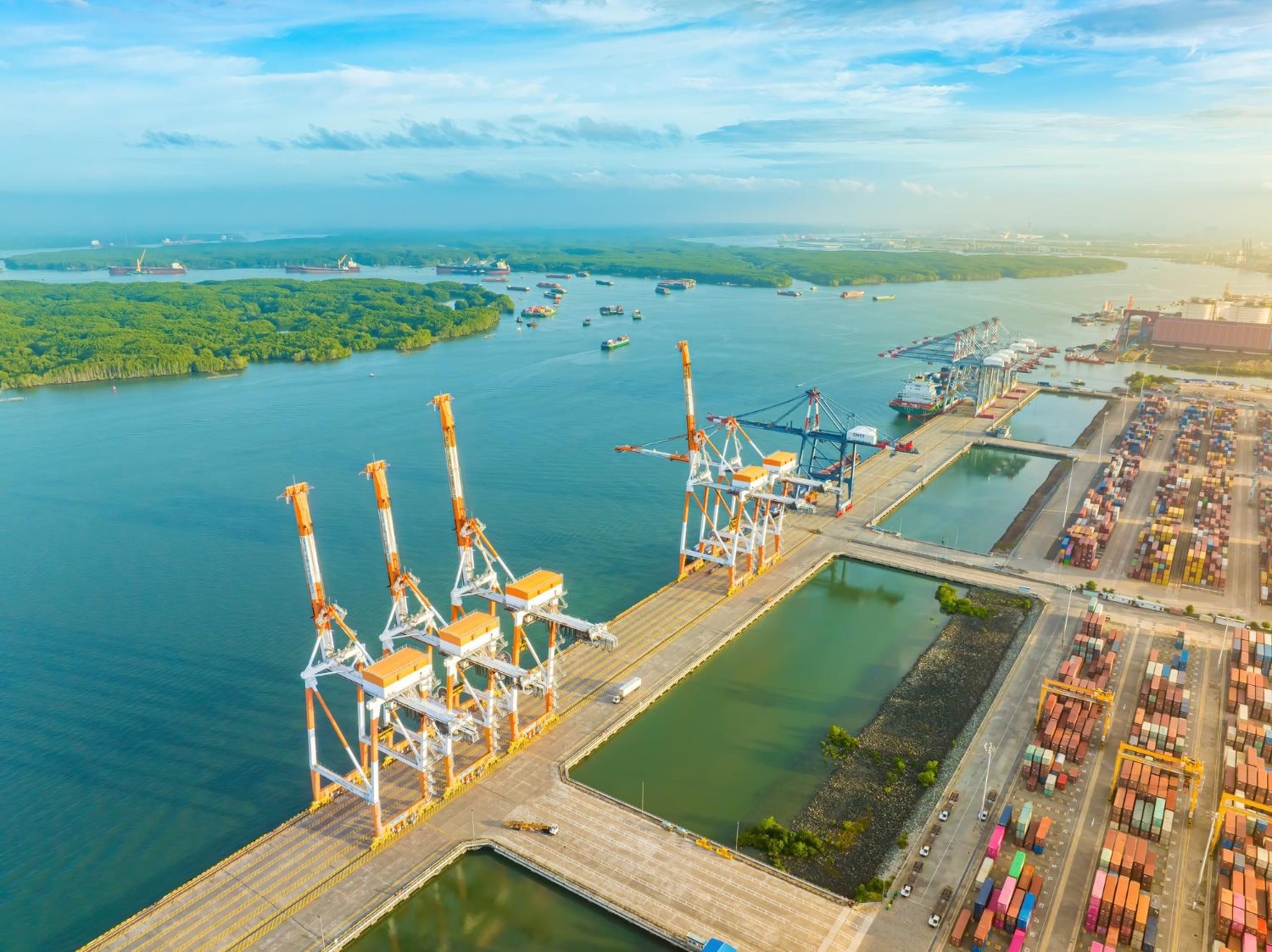
On the policy side, cities need to recognise logistics as essential urban infrastructure, not merely a source of congestion and emissions to be clamped down on. Urban master plans should allocate space for urban distribution centres, micro-hubs and loading zones; transport plans should factor in lanes and time windows for delivery vehicles; environmental policies can support a gradual transition to cleaner last-mile fleets. Once the “rules of the game” are clear and stable, businesses will be more willing to invest in sustainable urban logistics solutions.
The last mile is more than the stretch from depot to doorstep; it is the “shopfront” of the entire supply chain in the eyes of consumers. Well-organised last-mile operations – with intelligently located micro-hubs, optimised routes, low-emission vehicles and shared data – can become a genuine competitive advantage rather than a cost burden. If, instead, each player operates in isolation, cities will pay the price in congestion, pollution and poor customer experience, even as online shopping continues to grow.
In an era of rapid urbanisation and digitalisation, urban logistics – and the last mile in particular – is becoming a new frontline for Vietnam’s logistics industry. The solution is not simply adding more couriers or buying more vehicles, but redesigning networks, sharing infrastructure, connecting data and aligning policies. When city governments, logistics providers, property developers and technology platforms work together, new models such as micro-hubs, urban consolidation centres and smart pick-up/drop-off networks can emerge. In that future, each parcel delivered will not only arrive faster and cheaper, but also with a lighter environmental footprint and less strain on urban infrastructure – fully in line with the sustainable development ambitions of Vietnam’s major cities.


.png "Dien Bien builds investment value chains to power its next growth chapter")

.jpg "Dien Bien, Yunnan and Luang Prabang: Expanding Regional Cooperation and Investment Opportunities")