
For years, supply chain management was dominated by a single mantra: cost optimisation. Today, a new keyword is gaining prominence: resilience. The challenge is how Vietnamese companies can move from firefighting to proactively designing more shock-resistant supply chains.
From cost efficiency to resilience thinking
In “normal times”, supply chains were built around cost efficiency: slim inventories, consolidated shipments, the cheapest routes, a narrow supplier base to maximise bargaining power. The just-in-time model became a gold standard, especially in electronics, textiles and footwear. But when shocks hit, this ultra-lean design revealed its dark side: a single broken link can stall the entire chain.
In the wake of Covid-19 and recent bottlenecks, many global companies have shifted towards “just-in-case” thinking: accepting some extra cost in exchange for resilience. This does not mean abandoning efficiency, but adding a new layer of logic: scenario-based risk assessment, avoiding over-dependence on a single supplier, route, port or export gateway.
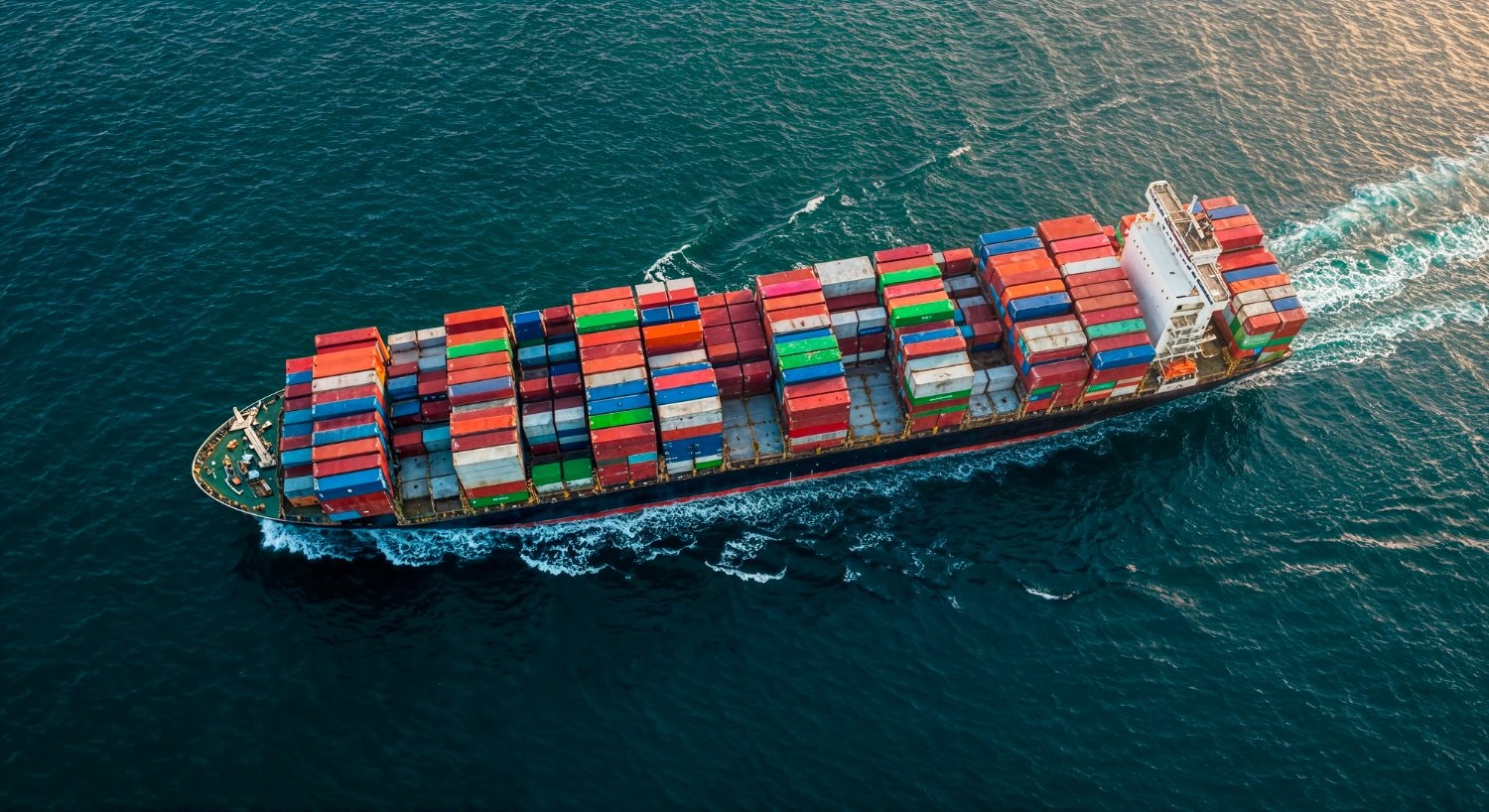
For Vietnamese firms, especially those acting as contract manufacturers and tier-one suppliers, this mindset shift is critical. If they only react when buyers impose new requirements, they will always lag behind. By contrast, suppliers that proactively propose contingency options – alternative sources, backup routes, flexible warehouse strategies – stand a better chance of becoming strategic partners rather than interchangeable subcontractors.
Diversifying suppliers, routes and strategic inventory
In practice, the resilience of a supply chain is heavily shaped by its network design. Networks overly concentrated in one sourcing region, one gateway port or one transport mode are inherently fragile.
The first step is to review the supplier portfolio for key inputs: raw materials, packaging, logistics and transport services. For each critical category, companies should ask themselves whether they rely too much on a single supplier or country. If the answer is “yes”, they need to gradually develop alternatives – even if these are initially more expensive. Splitting orders and maintaining a more diversified “basket of suppliers” can substantially increase flexibility in times of disruption.
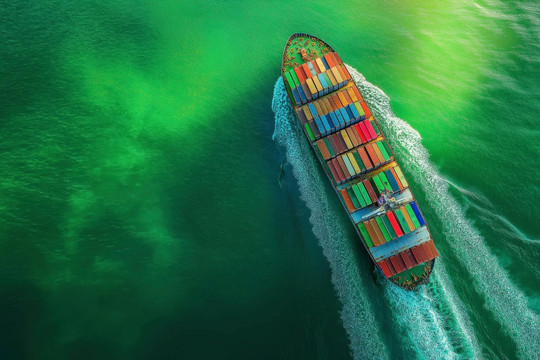
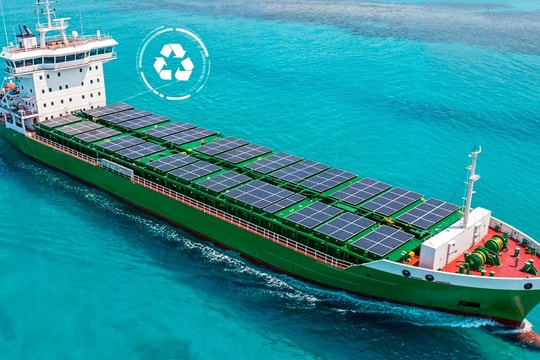
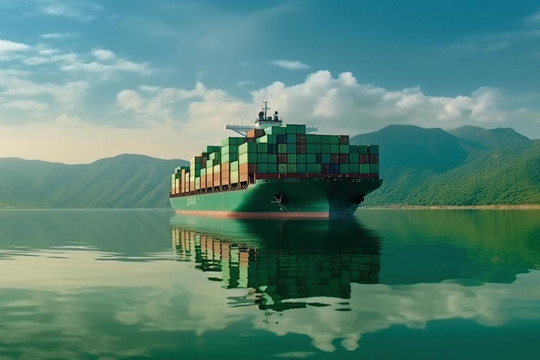
The same logic applies to transport routes. In an era where certain shipping lanes can be disrupted overnight, having pre-identified alternatives – even if they involve detours or multimodal combinations such as road–rail–waterway – is vital. Well-developed domestic logistics corridors linking seaports, ICDs and inland logistics hubs also act as safety valves, reducing dependence on any single transshipment point.
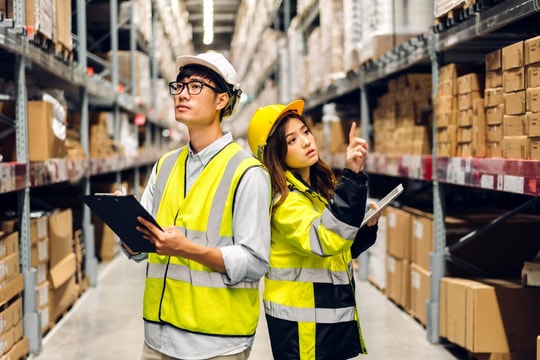
Strategic inventory is another pillar. After years of lean initiatives, many companies have realised that ultra-low stock levels make them slow to react when shocks occur. Strategic inventory does not mean indiscriminate stockpiling, but identifying “lifeline” items – key materials, components or SKUs – that warrant higher buffers in well-chosen locations. This is a delicate balancing act requiring close coordination between finance, production and logistics to avoid both shortages and excessive capital lock-up.
Supply chain control towers: seeing early, reacting fast
Resilient supply chains depend on visibility. Yet in many companies, data remains scattered: orders in the sales system, inventory in separate warehouse software, transport plans in logistics spreadsheets, order status updates in customer service inboxes. In an increasingly volatile world, such fragmentation is no longer acceptable.
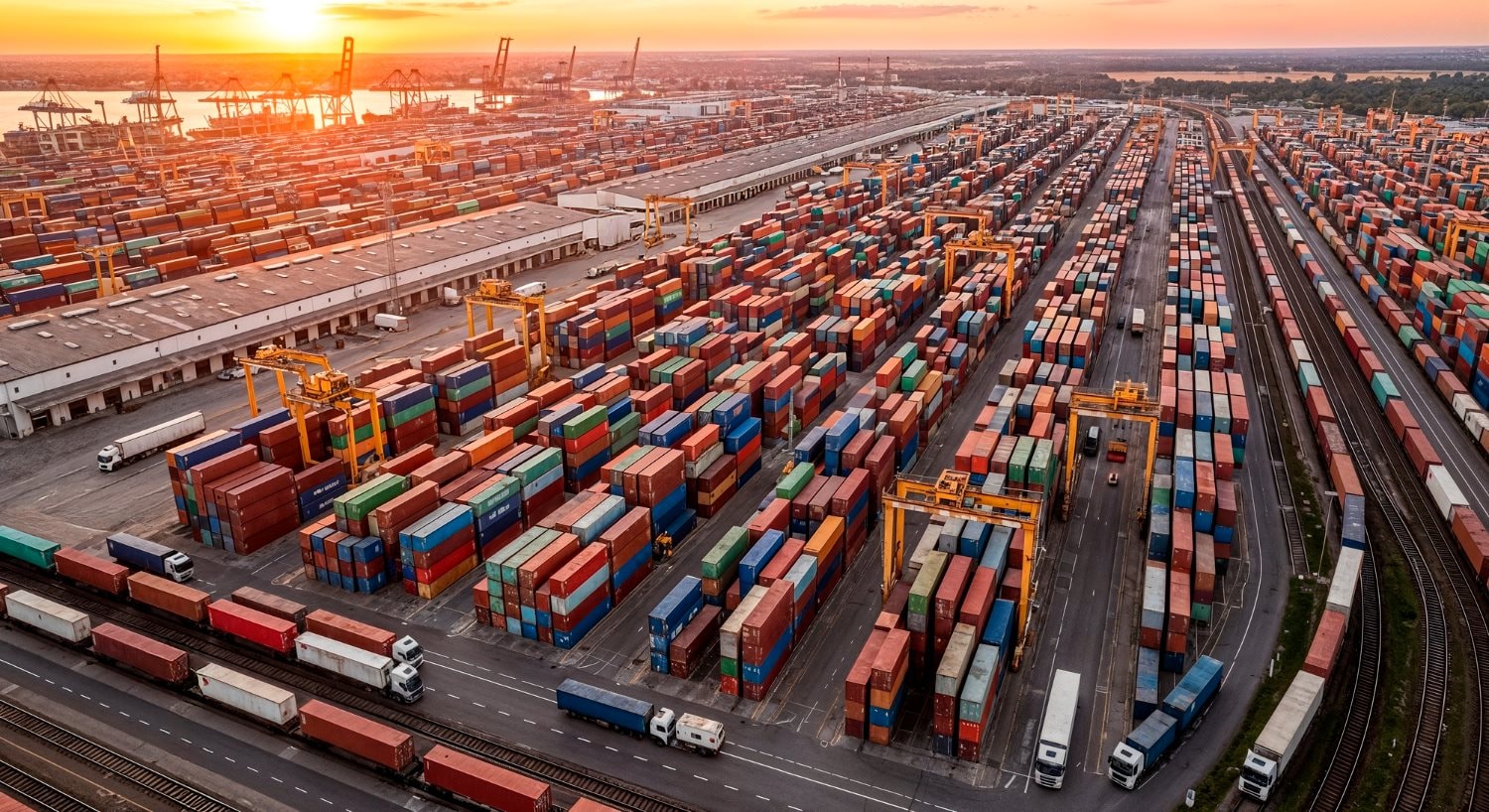
The concept of the “supply chain control tower” is gaining traction as a remedy. It is less about a physical war room and more about a data and process layer that provides near real-time visibility of key indicators: where each order is, which shipments are at risk of delay, which suppliers are falling behind, which routes are congested. With early warning, companies can make faster decisions: rerouting, reallocating stock, adjusting production plans.
To build a genuine control tower, companies need to invest in basic data infrastructure: harmonised product, location and customer codes; integration between ERP, TMS and WMS; data feeds from logistics partners; and alert rules (for example, lead times exceeding normal thresholds or inventories falling below safety levels). Equally important is developing people who can read and interpret data – not just reporting on the past, but spotting patterns and anticipating risks.
Supply chain resilience does not come from a single silver bullet; it emerges from the combination of mindset, network design and data capabilities. When companies are willing to pay a reasonable “insurance premium” for diversified sourcing, alternative routes and well-planned strategic stock – and reinforce this with a data-driven control tower – each new disruption becomes less of a blind-side blow and more of a stress test they can pass. Over time, resilience itself becomes a source of competitive advantage.
In a world marked by uncertainty, supply chains cannot be designed solely for calm seas. Vietnamese companies that aspire to move up the value ladder must shift from pure cost optimisation to a balanced focus on efficiency and resilience. Diversifying suppliers and routes, building strategic inventory, and investing in data and control tower capabilities are practical starting points. When money, materials and information flows are orchestrated with resilience in mind, shocks – from pandemics and natural disasters to trade disputes – will have less destructive power and may even open windows of opportunity for those chains that stand firm.

.png "Dien Bien builds investment value chains to power its next growth chapter")

.jpg "Dien Bien, Yunnan and Luang Prabang: Expanding Regional Cooperation and Investment Opportunities")