
This article will discuss the current situation, prominent training programs, recruitment challenges, and public-private partnership solutions aimed at building a workforce in logistics that meets the demands of the modern era.
The Importance of Workforce in the Logistics Industry
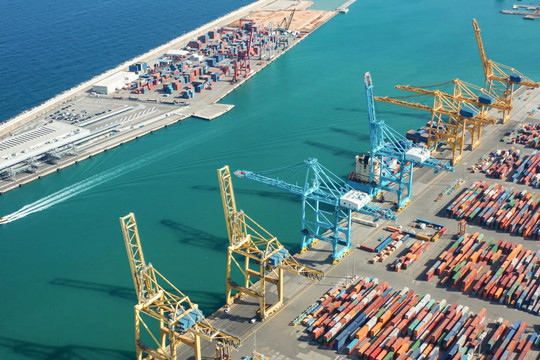
The logistics industry plays a pivotal role in the global supply chain, especially in Asia, which houses many major production and consumption centers. According to Inbound Logistics, high-quality human resources are key to efficient logistics operations, from warehouse management, transportation, to smart supply chains. The shortage of skilled labor not only affects productivity but also increases costs and reduces the competitiveness of the industry.
“Countries with robust logistics workforce training and development strategies not only help reduce operating costs but also enhance the competitiveness of the industry both regionally and globally.”
— Inbound Logistics
Partnerships Between Universities and Enterprises
To meet the demand for high-quality labor, many Asian countries have launched specialized training programs in logistics. For example, in Singapore, the Logistics & Supply Chain Management program at Nanyang Technological University (NTU) integrates theory and practice, with input from industry experts and partner businesses. In Japan, universities such as Hitotsubashi University and Keio University have established in-depth logistics courses, providing students with the knowledge and skills required to work in an international environment.
Additionally, short-term training and certification programs are also being implemented by various organizations, such as the Supply Chain Management course offered by the Asian Logistics Research Institute (ALRI) in South Korea, aimed at enhancing the capacity of the current workforce.
Recruitment Challenges
Despite the increasing demand for skilled logistics professionals, there are still significant challenges in recruitment. According to SCMR, one of the main challenges is the shortage of skilled labor, particularly in areas such as warehouse management, multi-modal transportation, and smart supply chains. This is largely due to the slow pace of updating training programs to align with industry trends and the lack of strong connections between educational institutions and businesses.
Solutions: Public-Private Partnerships and Curriculum Innovation
To address these challenges, many Asian countries have promoted partnerships between the government, businesses, and educational institutions. A prime example is Prologis' "Community Workforce Initiative" in the U.S., where the company collaborates with community organizations to train and provide jobs for young workers in the logistics field. This model could be adopted in Asia, particularly in developing countries like Vietnam, to strengthen the high-quality workforce.
Additionally, there is a need for curriculum innovation that integrates new technologies like Artificial Intelligence (AI), Internet of Things (IoT), and Big Data into teaching. Universities must closely collaborate with businesses to design training programs that meet real-world needs, while also organizing short-term courses to retrain the current workforce.
“Collaboration between educational institutions and businesses is the key to enabling the logistics industry to meet the increasingly higher demands for skills and technology. Countries that can leverage this advantage will develop quickly and sustainably.”
— Alan Amling, Professor at the University of Tennessee, Expert in Supply Chains and Digital Innovation

To develop the logistics industry sustainably and effectively, building a high-quality workforce is crucial. This requires efforts not only from educational institutions but also from governments and businesses in creating an appropriate learning and working environment. Promoting public-private partnerships, innovating training programs, and applying new technologies will help the logistics industry in Asia, and Vietnam in particular, meet the demands of the modern era.
.jpg "Vietnam – the Center of Regional Logistics")


.jpg "FIATA 2025 – A Global Event: A Golden Opportunity for Vietnam’s Logistics Industry")
.jpg "Logistics Concrete Floors: From Solid Foundations to Competitive Advantage")
.jpg "From Deep-Sea Ports to Electric Barges: A Major Shift in Vietnam’s Logistics")
.jpg "When a Shipping Line Is More Than Just a Shipping Line")