
In this context, pharmaceutical logistics is no longer a niche within logistics; it is becoming a key benchmark of the healthcare system’s reliability.
A Booming Pharma Market and Strain on the Cold Chain
Vaccines, biologics, speciality drugs, injectables and temperature-sensitive OTC products all require tightly controlled conditions from manufacturing plants to central warehouses, pharmacies, hospitals and end users. Vietnam’s cold-chain market has grown rapidly over the past three years; by the end of 2023, it featured over 100 commercial cold storage facilities with a designed capacity exceeding one million pallets and more than 30 professional cold-transport providers.
However, much of this capacity still serves the food and beverage sector, while demand from pharma is set to rise sharply as Vietnam expands immunisation, faces population ageing and contends with a growing burden of chronic diseases. This is stretching the pharmaceutical logistics ecosystem across multiple fronts: a shortage of GSP/GDP-compliant warehouses, limited cold-transport coverage in lower-tier cities and rural areas, high infrastructure costs and significant risks if the cold chain is broken.

GSP–GDP Standards: From Licence to Competitive Edge
In pharma logistics, Good Storage Practice (GSP) and Good Distribution Practice (GDP) form the backbone of compliant operations. GSP governs warehouse conditions - temperature, humidity and monitoring while GDP ensures that storage, handling and transport maintain these parameters throughout the supply chain.
International and local logistics providers such as Yusen Logistics, DB Schenker, PCS Logistics and Cargoteam have invested in GDP-compliant warehouses, fleets and monitoring systems in Vietnam. These certifications are not mere badges; they are risk-management tools for pharmaceutical companies whose brands and legal exposure hinge on every shipment’s integrity.
Regional healthcare logistics experts underscore that top-tier providers must offer GDP-compliant infrastructure, round-the-clock environmental monitoring, rapid incident response and deep regulatory knowledge across markets. For Vietnamese logistics firms, achieving and maintaining GSP/GDP compliance and building consultative capabilities around it - can become a strong differentiator as regulations tighten.
In pharmaceutical cold chains, small mistakes can have huge consequences. A few hours of temperature deviation can destroy an entire consignment of vaccines or biologics and jeopardise patient safety. For this reason, GSP/GDP standards - backed by robust SOPs, trained staff and validated monitoring systems - are turning into basic “tickets to play” rather than optional nice-to-haves. Pharma manufacturers and healthcare providers are increasingly unwilling to work with logistics partners who cannot demonstrate consistent compliance in both audits and real-time operations.
Investing in Cold Infrastructure and Technology: A Long-Distance Race
Cold storage facilities, refrigerated vehicles, sensor networks and monitoring platforms require significant capital and expertise. Yet new investments indicate growing confidence in Vietnam’s cold-chain potential. For example, Korea’s Lotte Global Logistics broke ground on a US$34 million cold-chain hub in Dong Nai in March 2025, covering about 5.5 hectares and scheduled to start operations in 2026, targeting food and pharma demand in the southern region.
Meanwhile, market reports highlight rapid expansion of cold transport and 3PL services for temperature-controlled goods. Emerging trends include IoT-enabled sensors, real-time temperature and humidity monitoring, advanced insulated packaging and the use of passive and active cold-chain solutions. Digital platforms are increasingly used to store temperature logs for traceability, audit trails and claims management.
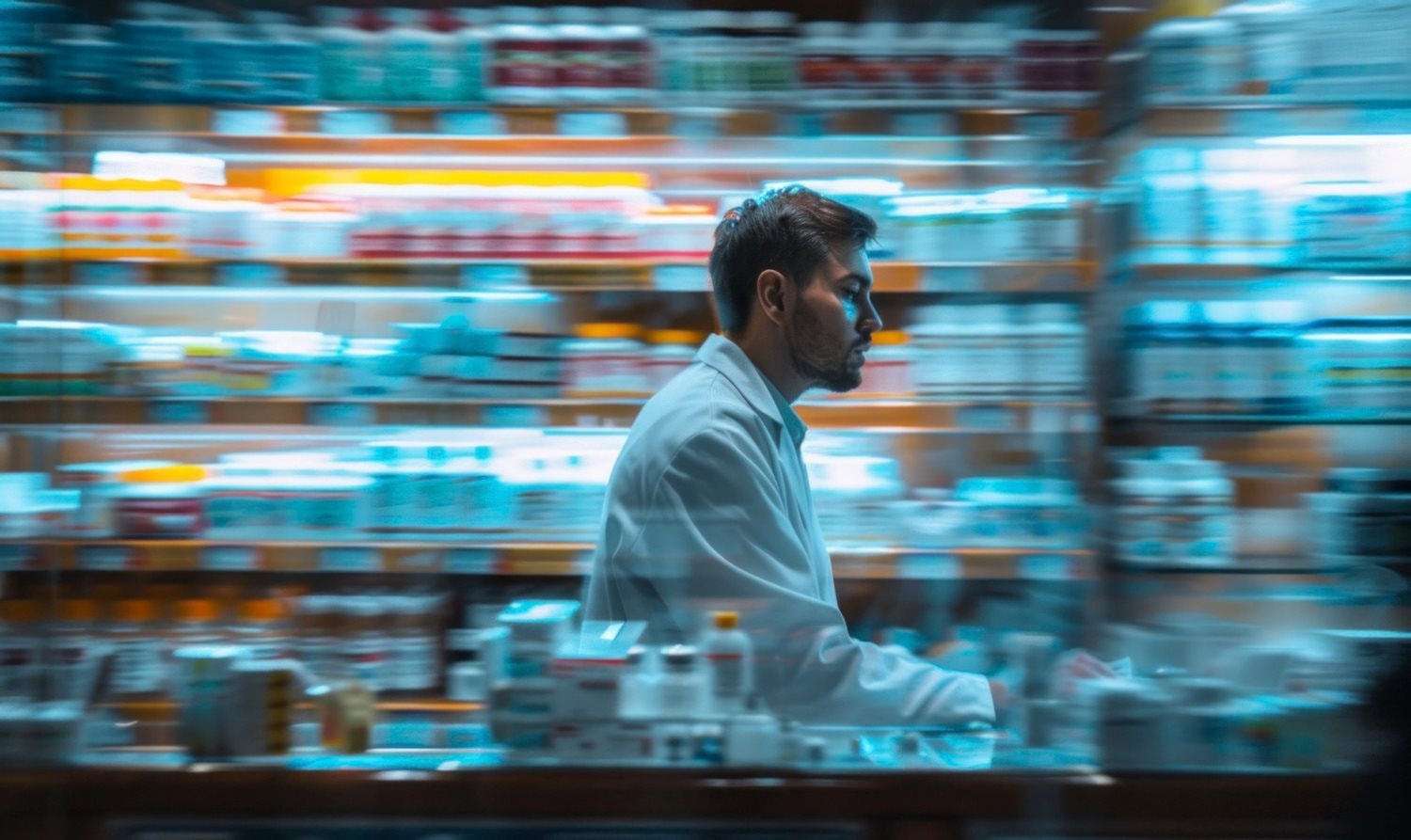
For pharmaceutical companies, the strategic question is whether to build their own cold-chain infrastructure or partner with specialised 3PLs. In many cases, hybrid or partnership models -where pharma firms focus on R&D and marketing while logistics specialists handle storage and distribution - have proven more capital-efficient and operationally robust.
Strategic Options for Pharma Companies and 3PLs in Vietnam
For pharma manufacturers and distributors, the top priority is an integrated logistics and risk-management strategy: classifying products by temperature band (2–8°C, 15–25°C, etc.) and sensitivity, mapping routes and transit hubs, defining acceptable time-temperature thresholds and clearly assigning responsibilities with logistics partners for monitoring and incident reporting.
For 3PLs, a pragmatic roadmap might involve focusing on specific segments (outpatient drugs, OTC products, vaccines, clinical trial supplies), gradually upgrading infrastructure, obtaining key GSP/GDP certifications and building pharma-specific fulfilment services for pharmacies, clinics and hospitals. On top of that, data and technology are the levers for differentiation: online dashboards, proactive alerts, batch-level quality reports and predictive analytics to prevent excursions before they happen.
Hospitals, pharmacy chains and healthcare systems increasingly demand “cold visibility”—the ability to see the temperature and location of their shipments at every moment. Logistics providers that can deliver live dashboards, proactive notifications, batch-level quality reporting and transparent incident handling will enjoy a clear advantage in tenders and contract renewals. In a pharma cold chain, trust is ultimately data-driven: the winners will be those who can show, not just say, that every shipment has stayed within spec.
Pharmaceutical logistics and cold-chain management are becoming the “circulatory system” of a modern healthcare architecture, ensuring that medicines and vaccines reach the right place at the right time and in the right condition. As Vietnam’s pharma market expands, competition will intensify around GSP/GDP-compliant infrastructure, cold-chain assets, monitoring technologies and specialised talent. Companies that treat pharma cold chains as a peripheral niche risk being left behind, while those that see them as a strategic pillar can position themselves at higher value tiers in both the healthcare and logistics ecosystems.

.png "U&I Logistics: Tet-Period Air Freight, Maintaining Cold-Chain Standards for Fresh Produce")