Vietnam Building Materials & Australian Real Estate Investment Conference

By Pham Lien|18/07/2024 18:18

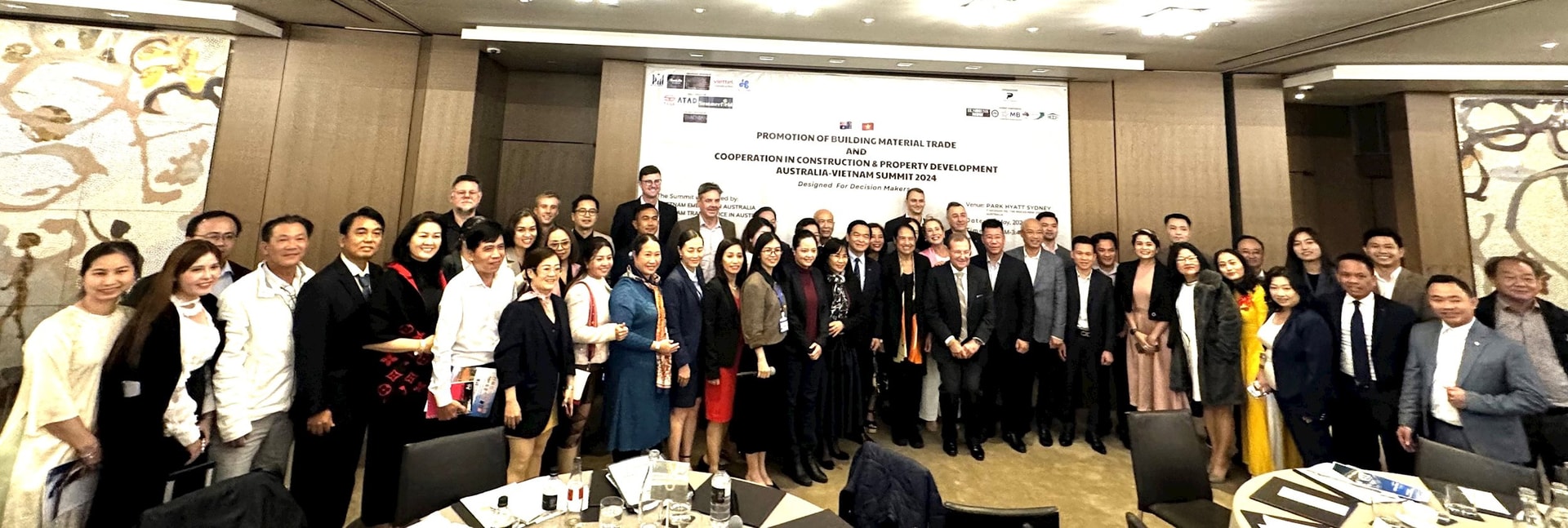
Following the resounding success of the first event held at the Park Hyatt Sydney on May 15, 2024, which saw 120 guests in attendance and 23 media articles before and after the event, the second conference is organized by Pistis Group with support from the Vietnamese Embassy in Australia, Business New South Wales, and the Australia-Vietnam Business Council.

img_3332.jpg

The Vietnam-Australia Building Materials Export and Construction, Real Estate Cooperation Forum 2024 was successfully held on May 15, 2024, in Sydney, Australia.

Target Audience

The organizers cordially invite building materials manufacturers, design and construction companies, real estate developers from Vietnam, and individuals and businesses interested in exploring opportunities.

Objectives

  • Enhance international trade and cooperation opportunities in the building materials, construction, and real estate sectors between Vietnam and Australia.
  • Update market information, latest trends, and legal regulations in Australia.
  • Facilitate meetings and connections with potential partners, investors, and Australian customers.

Main Content of the Conference

  1. Market Potential: Assessing demand and consumption trends of building materials in Australia. Analyzing real estate investment opportunities in Australia.
  2. Policies and Regulations: Introducing Vietnam's export support policies. Discussing regulations and technical standards for imported building materials in Australia.
  3. Cooperation Opportunities: Creating opportunities for businesses from both countries to meet, explore, and sign cooperation agreements. Discussing cooperation models in real estate investment, from project development to management and exploitation.
  4. Technology and Experience Sharing: Sharing experiences and building management technologies using artificial intelligence (AI). Introducing new technologies in construction and real estate development.
  5. Specific Projects: Introducing potential real estate projects in Australia and investment opportunities for Vietnamese partners. Discussing specific cooperation projects, from infrastructure construction to residential development.
  6. Business Networking: Organizing direct meetings and exchanges between businesses from both countries. Building a network of connections and support among businesses from both countries.
  7. Contract Signing Ceremony: Between Australian Real Estate Developers and Suppliers.

Date: 01/10/2024

Venue: Park Hyatt Melbourne 1 Parliament Square Off, Parliament PL, Melbourne VIC 3002, Australia

Registration Link: https://s.net.vn/fouX

Email: summit@pistis.au

Website: Contact in Australia http://pistis.au/ Dr. Tran Nguyen +61 469037932 (Zalo/Whatsapp)

Contact in Vietnam: Ms. Ngoc Yen +84 366520855 (Zalo/Whatsapp)
Bài liên quan
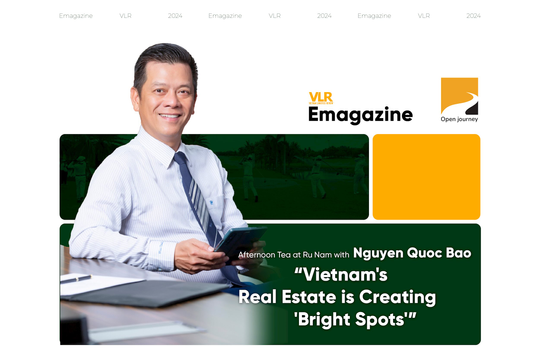
  • Afternoon Tea at Ru Nam with Nguyen Quoc Bao: "Vietnam's Real Estate is Creating 'Bright Spots'"
    ...In a conversation with me, Nguyen Quoc Bao, Chairman of Thanh Cong Investment Joint Stock Company (TCC) and also Chairman of the Vietnam Real Estate Club (VREC) and the Ho Chi Minh City Real Estate Club (HREC), affirmed that Vietnam's real estate market promises much potential for recovery, creating "bright spots" thanks to economic stability, infrastructure investment, and increasing housing demand.

(0) Bình luận
  • Container Charges and the Basis for Resolving Disputes
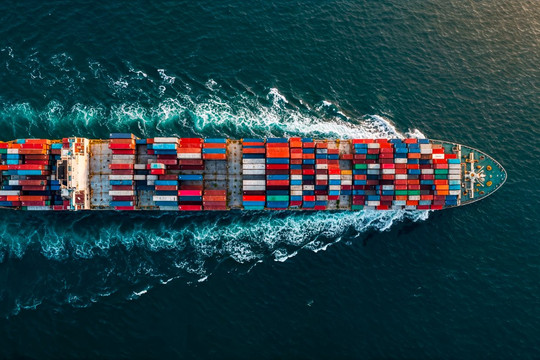
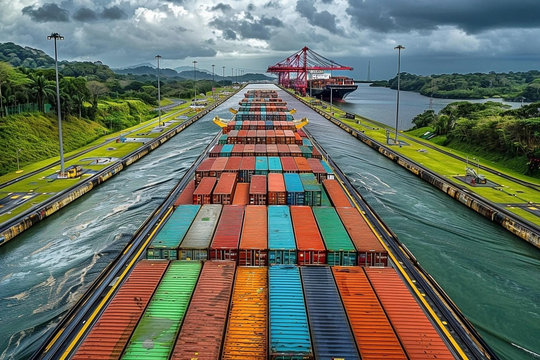
    A container charge can be mathematically correct while its contractual basis or the practical ability to return equipment remains disputed. Importers and exporters should therefore manage these costs through clear terms and shipment records. Once a disagreement arises, a documented sequence of events is more useful than a general statement that a terminal was congested. The objective is to explain which charges arose, why they arose, and which specific items require adjustment.
  • Finished Vehicles from Car Carrier to Dealership
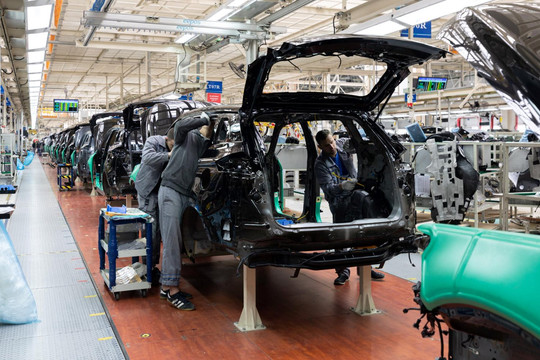
    A finished vehicle still passes through several operations before reaching its dealer: unloading from the vessel, entering a storage yard, inspection, clearance for dispatch and onward transport. Each movement needs to preserve the vehicle’s identity and condition. Effective distribution therefore depends on coordinating vessel schedules, yard capacity and dealer receiving arrangements, together with a handover record that follows the vehicle throughout its journey.
  • Cut Flowers and the Value of Time after Harvest
    A flower delivery can arrive on time and still miss the customer’s needs if buds fail to open for the occasion or stems wilt soon after arranging. Cut flower transport schedules need to reflect cultivar, opening stage and remaining display life. Managing the interval from cutting to the buyer helps businesses protect both quality and order value. The relevant outcome extends beyond completing a delivery to how the flowers perform in use.
  • Empty containers and the cost of unbalanced cargo flows
    An export shipment can be ready while its shipper is still waiting for a suitable container. Elsewhere, empty equipment occupies depot space and needs to be moved to the loading location. The mismatch between where containers become available and where they are required creates repositioning costs. Reducing those costs requires import unloading, equipment release and export loading to be planned together.
  • High Quality Rice Supply Chains and Lot Segregation
    The value of high quality rice rests on more than a variety name or attractive packaging. Buyers also need the agreed grade, a verifiable source and consistency across deliveries. As procurement, processing and transport bring together material from different origins, lot segregation becomes a practical way to protect commercial commitments. The crucial question is whether the product delivered still matches the promise made when the order was accepted.
  • Shore power at ports and the conditions for practical use
    Shore power can reduce a vessel’s reliance on auxiliary generators at berth, but its value depends on compatibility, usable supply hours and service organisation. For Vietnamese ports, the investment question starts with which ships can connect, how long they can use the supply and what the complete service will cost. Those answers provide a foundation for infrastructure that can be used reliably and developed over time.
Nổi bật Tạp chí Vietnam Logistics Review
Đừng bỏ lỡ
Vietnam Building Materials & Australian Real Estate Investment Conference
POWERED BY ONECMS - A PRODUCT OF NEKO