Shippers assess the cost of the complete journey
In its 2022 study of freight transport mode choice, the International Transport Forum (ITF) at the OECD identifies cost, transit time and reliability as important considerations for shippers. A rate between two stations therefore addresses only part of the purchasing decision. Businesses need to know whether goods will arrive when required to keep production running or fulfil sales orders, and whether the proposed service can repeatedly meet that requirement.
A rail option should include trucking to the departure terminal, handling, yard storage, the main train journey and delivery to the receiving warehouse. Waiting to consolidate a load can also increase the working capital tied up in inventory. Comparing the train rate alone with a truck quotation can produce an apparent saving that differs from the amount the shipper actually pays once all stages of the journey have been completed.
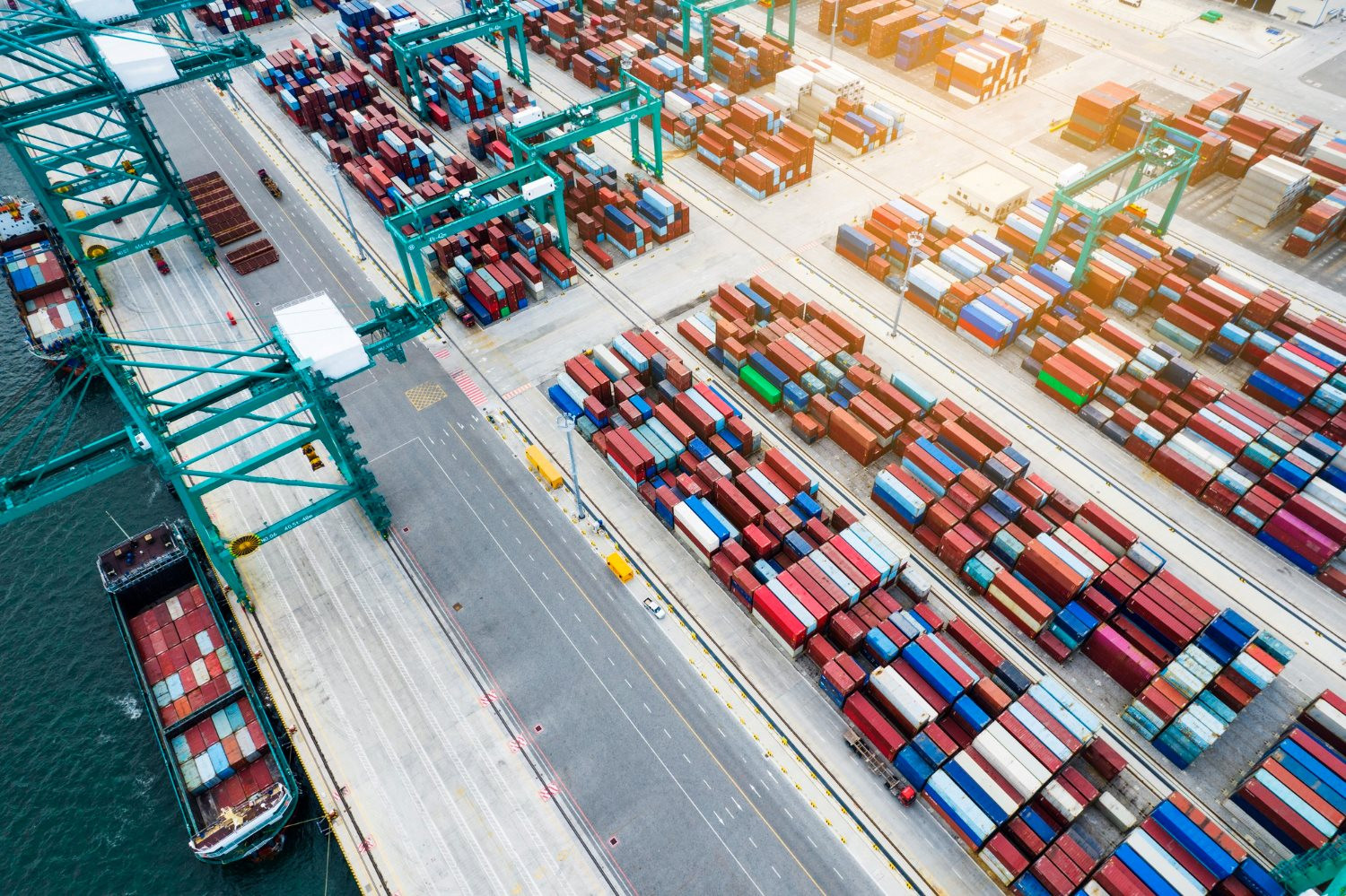
Rail tends to have a stronger proposition where volumes are reasonably large, distances are suitable and flows are regular. Small urgent consignments or deliveries to dispersed destinations may still require road transport. A 2022 World Bank analysis explains that freight rail competitiveness depends on volume, distance and commodity, and improves when both collection and delivery points have direct rail access. The suitability of rail therefore needs to be established for the particular flow rather than assumed for every consignment.
Where terminals are involved, an option worth testing is to assign the long journey to rail and arrange scheduled truck collection and delivery. A factory with steady weekly shipments could reserve the capacity it needs in advance. Before offering a stable price, the service organizer should check return loads and how quickly equipment can be reused. These checks turn a broad proposal to shift modes into a service that can be evaluated on a particular route.
Freight capacity must support a dependable timetable
India illustrates the scale of change that capacity investment can deliver. In an August 2025 account, the World Bank reported that Eastern Dedicated Freight Corridor projects built 1,200 kilometres of new track during 2011–2024. On the first section, daily freight capacity rose from 32 to more than 130 train pairs. These results reflect dedicated infrastructure; they are not an automatic benchmark for every railway or a forecast for the Vietnamese network.
On routes shared by passenger and freight services, the timetable, passing stations and maintenance periods need to be considered together. Raising speeds on one section does not necessarily shorten delivery time by the same amount if trains must wait on the next section. Upgrading decisions should target the locations that delay the entire journey or limit the number of services. This requires looking beyond an individual engineering improvement to its effect on the service customers actually receive.

Locomotives, wagons and tracks inside stations also need to be assessed as a system. A longer train is useful only when receiving facilities, arrival and departure tracks, and handling equipment can accommodate it. Container services must check wagon suitability, route conditions and securing arrangements. Promises to accept additional cargo should be based on the capacity that can actually be operated, including the ability to handle the train at both ends.
Reliability should be measured from cargo acceptance through to completed delivery. Shippers need early notice of a changed service, the response proposed by the operator and a revised expected delivery time. Operators should monitor on-time delivery, cargo dwell time at stations and additional charges. Those records help distinguish a constraint on the railway from a delay in collection or delivery, so that the next improvement addresses the actual cause.
Before shifting cargo to rail, a business should request a quotation covering the complete journey between warehouses and a clear collection and delivery schedule. The comparison should include connecting trucks, handling, storage, waiting time and arrangements for delays. Start with a regular cargo flow, record results over several journeys and expand after reviewing the evidence. The relevant measures are total cost and journey reliability. A lower train rate alone does not establish that the proposed service will improve the shipper’s operations.
Terminal yards and service coordination enable the shift
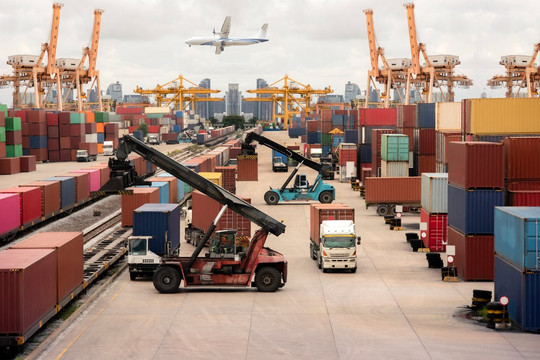
A terminal yard connects train capacity with business demand. Truck access, waiting areas, lifting equipment and cargo storage space should match the volume that the service expects to handle. Acceptance hours need to align with train schedules and the operating hours of customers’ warehouses. Otherwise, goods can spend time waiting between stages even when the main train movement performs as planned.
Yen Vien provides a practical example of the connecting stage. Information published on the Vietnam Railways website on 17 June 2026 reported that a train from Suzhou reached Yen Vien on the afternoon of 16 June carrying 22 containers weighing 1,207 tonnes. Following customs clearance, the cargo was to move to receiving locations in Vietnam. For the factories concerned, the value of the rail movement still depends on delivery beyond the station.
For terminal infrastructure, information published by Vietnam Railways in March 2025 described plans to develop An Binh with warehousing, forwarding and transshipment functions. This is a planning direction, not evidence that every proposed facility has been completed. Businesses selecting a consolidation point should check the conditions currently available for their cargo and the service they intend to buy.
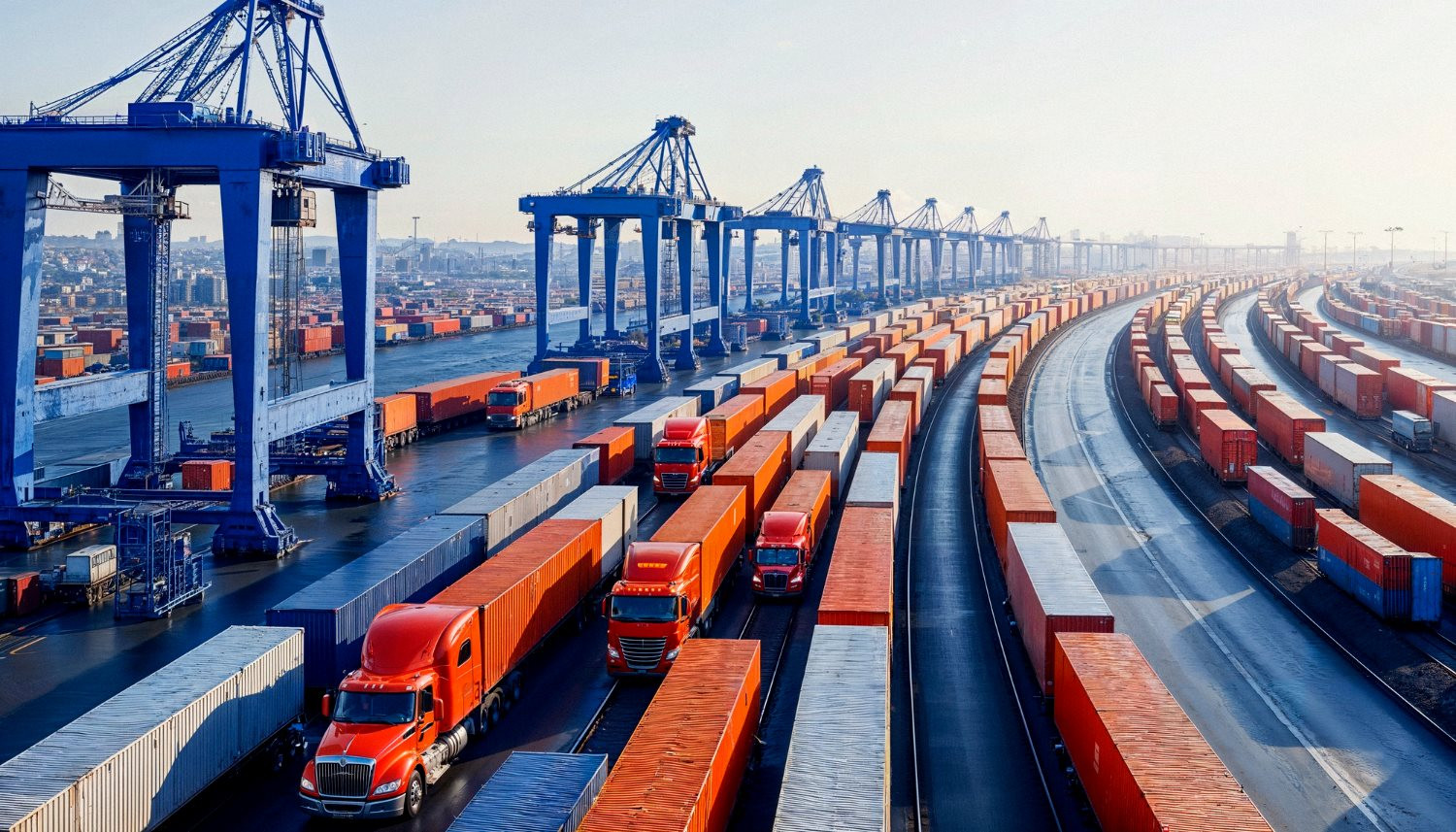
The service should also be straightforward to purchase. Vietnam Railways announced a freight transport marketplace to be introduced from 10 August 2024, allowing customers to search route, train and pricing information and register shipments. A useful next step would be a quotation for the complete journey, confirmation of the cargo acceptance deadline and a clearly identified contact responsible for resolving problems across the service.
A business considering a shift should start with a regular cargo flow, measure total costs and delivery time over several journeys, and then decide whether to expand. The contract should define responsibility at each handover, the response to late delivery and evidence of cargo condition. The trial should record both smooth journeys and disrupted ones. An evaluation that includes only successful movements cannot show the level of service the business will encounter in practice.
Rail can expand its market share through services that fit production and distribution schedules. Investment in lines and rolling stock needs to be accompanied by usable terminal yards, road connections and delivery commitments that can be verified. When shippers can buy a complete journey at a clearly stated cost, they have a basis for moving cargo regularly. The volume transferred to rail should be treated as a result of that service quality.