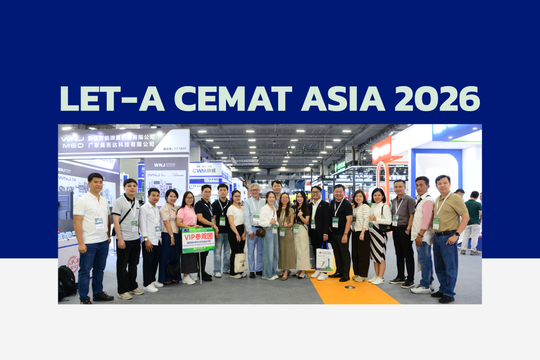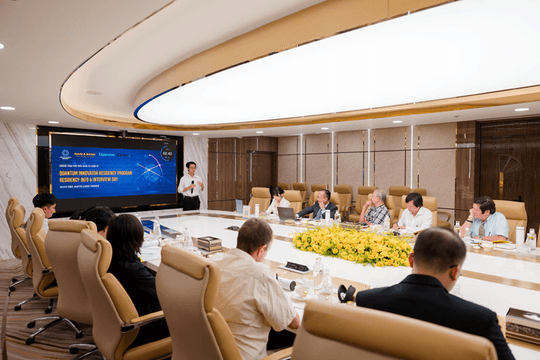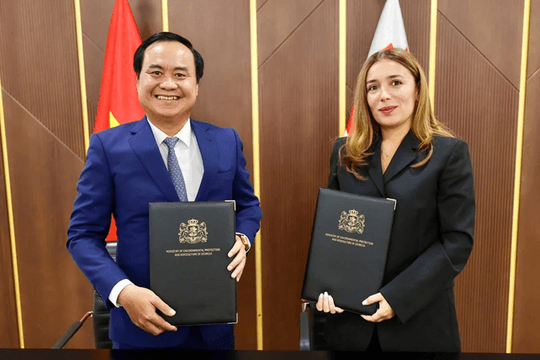

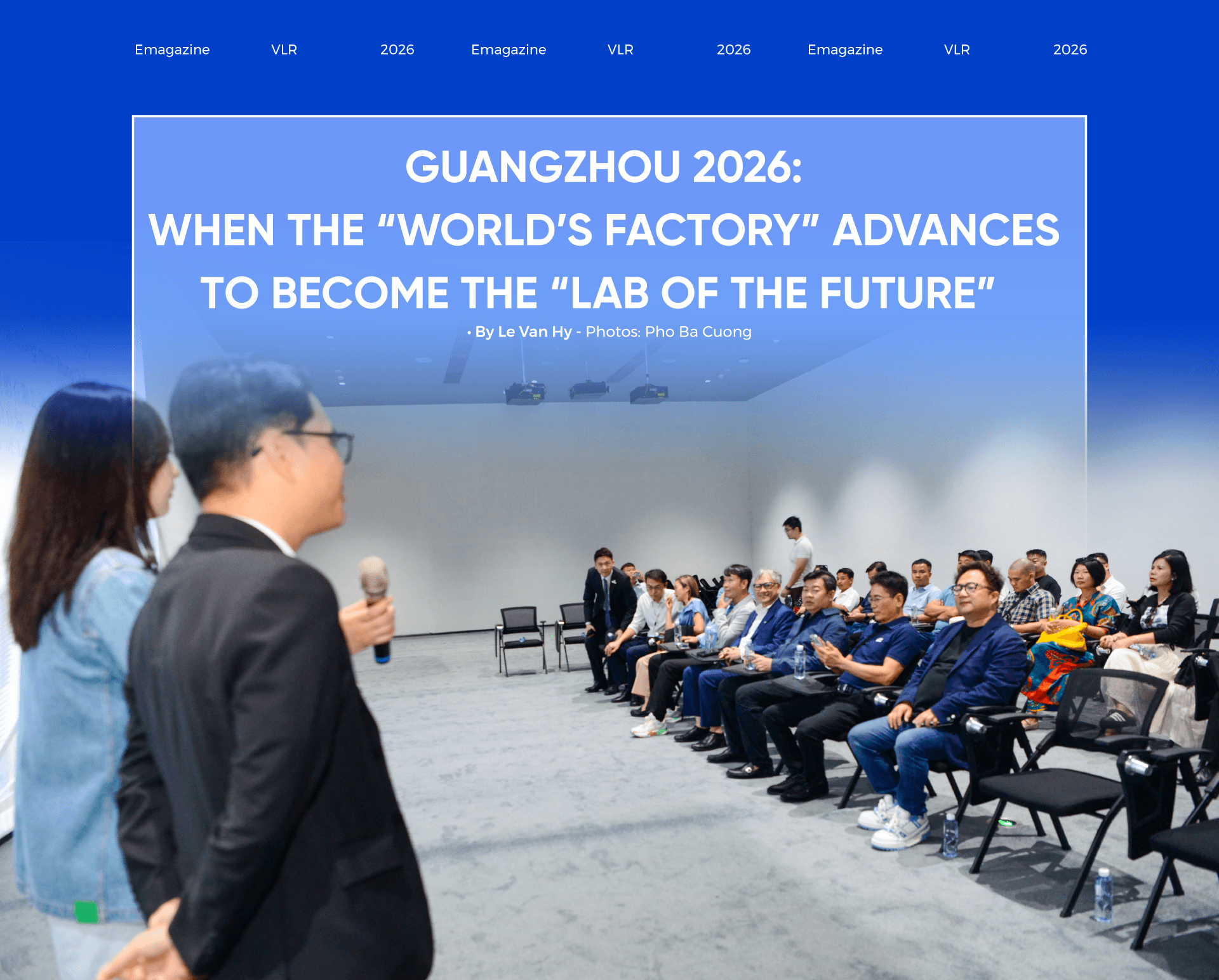
I would like to express my sincere gratitude to Mr. Benny Wu – Founder & President of M.Success Media Group; Mr. Michael Yan – General Director and Ms. Lillian Liu – Executive Director of Shanghai Hongqiao Pinhui Co., Ltd., who flew from Shanghai to Guangzhou to support and curate an immersive field trip to the Guangzhou Tech & Smart Manufacturing Hub for the Vietnamese business delegation. We directly observed, experienced, listened to, and consulted with 8 leading tech CEOs and experts in Guangzhou.
If Shenzhen is where ideas are born, Guangzhou is proving itself as the place where ideas are mass-produced—smartly and soulfully. The field survey of Guangzhou’s technology and smart manufacturing hubs was far more than a sightseeing tour. It was a close-up projection of China’s “Value Chain Repositioning” strategy, where hardware, software, and human talent converge.
From “Made in China” to “Innovated in Guangzhou”: A Calculated Transformation
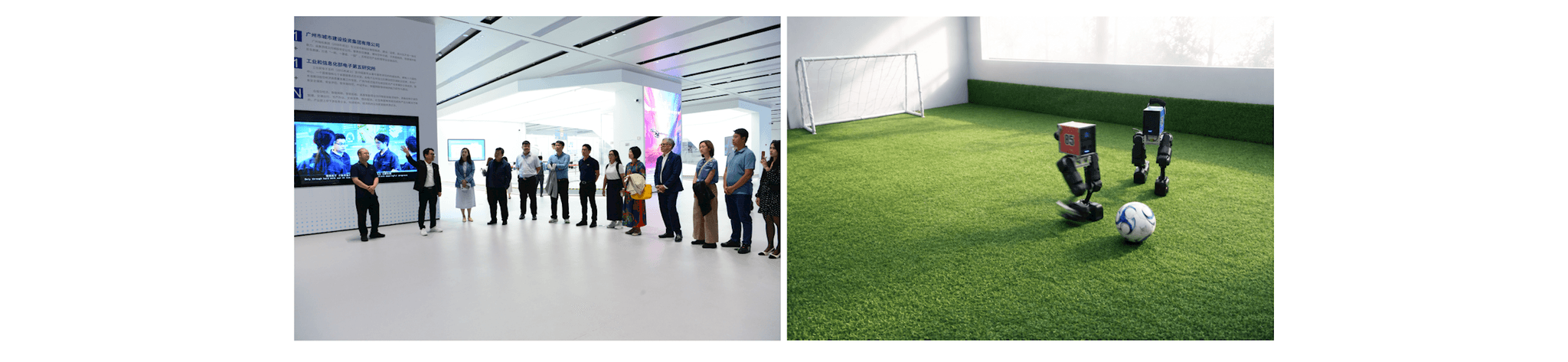
At the exhibition halls of the Fifth Electronics Research Institute and the Guangzhou Urban Construction Investment Group, the message was unmistakable: Guangzhou no longer competes on labor costs. It competes on R&D speed and the ability to commercialize core technologies.
The delegation was introduced to the “1+1+N” ecosystem: 1 leading research institute, 1 urban infrastructure conglomerate, and N satellite technology enterprises. This model enables an idea from the lab to become a commercial product within 12–18 months. That speed explains why agricultural drones, Naruida electric vehicles, and industrial robots were so prevalent in the exhibition areas. These are not prototypes. These are products with existing orders.
.png)
.png)
eVTOL and Drones: The “Sky Highway” Is No Longer Science Fiction
On the large screen, a detailed presentation of an electric vertical take-off and landing (eVTOL) aircraft was shown: solid-state battery architecture, BeiDou centimeter-level positioning systems, and autonomous urban flight capabilities.
What stood out was the approach: They don’t sell a product; they sell an ecosystem. Guangzhou enterprises simultaneously showcased the aircraft, charging stations, urban air traffic management software, and the regulatory sandbox framework. For Vietnam, this is an opportunity to learn the sandbox model for deploying smart logistics in dense urban areas like Ho Chi Minh City and Hanoi… The biggest barrier is not technology, but trust and institutional mechanisms. Guangzhou has arguably solved two-thirds of the equation.
Robots, EVs, and AI: When Machines Learn to “Be Human”
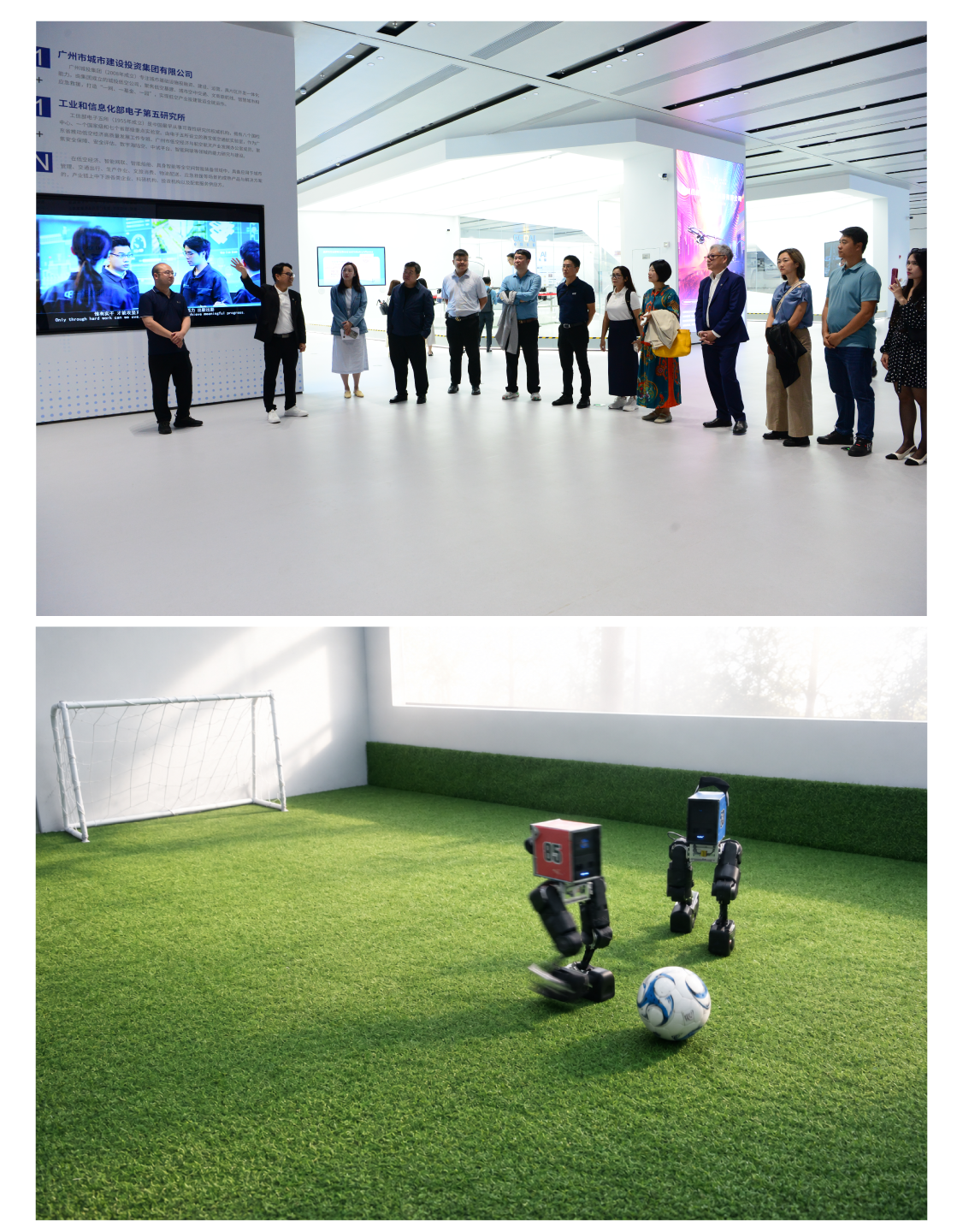
The most impressive scene wasn’t about technical specs, but a mini soccer field. Two humanoid robots clumsily played soccer. They fell, got back up on their own, and kept chasing the ball. That moment blurred the line between a “technology demo” and “learning capability.” Guangzhou is heavily investing in generative AI for industrial robots, enabling them to self-adjust operations on the factory floor without reprogramming.
Next to them was a high-performance electric vehicle featuring aerodynamic wheels and the Naruida system. Engineers explained the control chips, composite materials, and battery management algorithms. The key takeaway: 70% of core components are localized within a 100-km radius around Guangzhou. This is a “technology security circle” that reduces dependence on global supply chains while controlling cost and quality.
.png)
.png)
Lessons for Vietnam: Collaborate or Be Left Behind
Standing on the rooftop overlooking the central axis with the CTF Finance Centre and IFC, Guangzhou’s development philosophy becomes clear: Infrastructure first, technology follows, institutions move in tandem. They don’t wait. They test, fail, fix, and scale—fast.
From this hands-on field trip, I see three key areas of cooperation emerging for Vietnam:
1. Smart Logistics: Learn the “eVTOL vertiport + micro-fulfillment center” model to solve the 15-minute delivery challenge in urban areas.
2. R&D Transfer: Institutes like the Fifth Electronics Research Institute are open to establishing joint labs focusing on chips, sensors, and new materials.
3. Workforce Training: Guangzhou’s “AI engineers on the factory floor” model is worth studying to upgrade the labor force in Vietnam’s industrial parks.
The Future Is a Race of Learning Speed
I was deeply impressed by the inspiring message, “Only through hard work can we achieve meaningful progress,” displayed on the screen at the exhibition center. It is not a slogan. It is a culture of action. Guangzhou has shifted from processing to creating, from copying to setting standards.
Leaving the Guangzhou Tech & Smart Manufacturing Hub, many members of our delegation shared a common conviction: this field immersion revealed a hard truth—the technology gap is no longer measured in decades, but in months. If Vietnam wants to join the new value chain, we need the mindset of this “tour”: Go straight into the factories and labs, talk to the engineers, instead of just reading reports. Because the future is not in PowerPoint. The future lies in the machines that are running, the drones that are flying, and the robots that are learning to stand up after a fall. Guangzhou 2026 has departed. The question is, will we make it onto that flight?
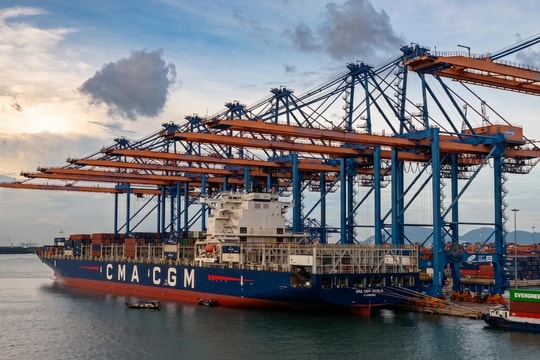
.png "From the “World’s Factory” to the “World’s Logistics Brain”: What Is Happening in Guangzhou?")
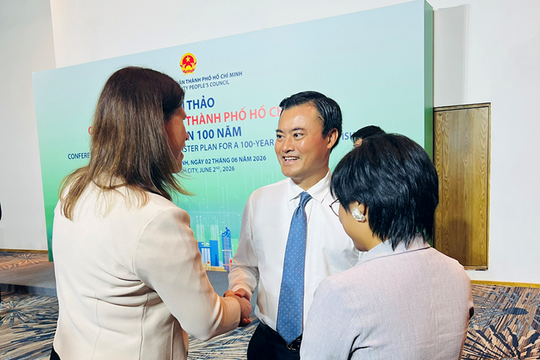
.png "Từ “Công xưởng thế giới” đến “Bộ não logistics thế giới”: Điều gì đang diễn ra tại Quảng Châu?")
.png "LET-a CeMAT ASIA 2026: When Automation Is No Longer an Option but a Condition for Competitiveness")