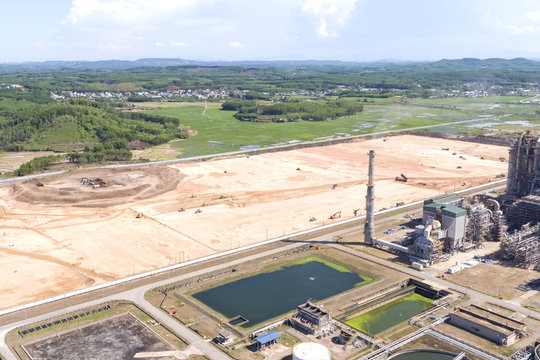
.png "BSR Opens the Door to Commercial B5 Biodiesel")
.png "Dung Quat Accelerates E100 Supply for E10 Gasoline")
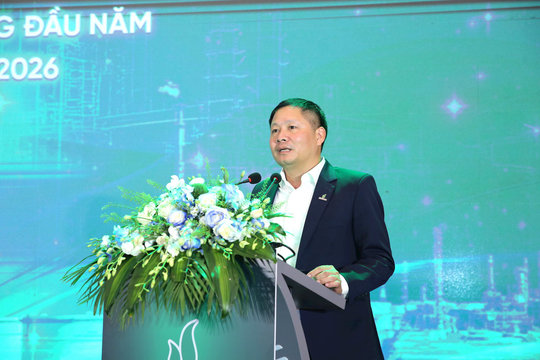
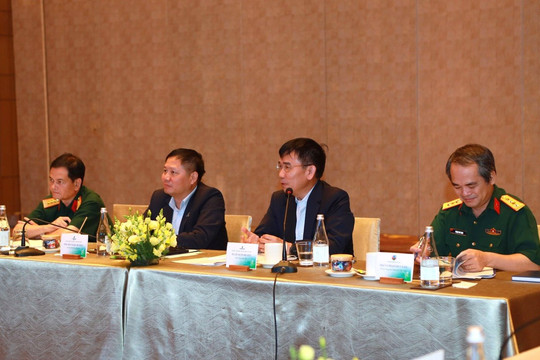
.png "BSR Accelerates Investment on Its Path to Southeast Asia’s Top 8")
.png "BSR Secures Fuel Supply, Accelerates Dung Quat Upgrade")
.png "BSR Broadens Crude Slate, Strengthens Competitiveness")
.png "BSR NAMED AMONG VIETNAM’S TOP 10 GREEN ESG ENTERPRISES 2026: A Refining and Petrochemical Mark in the Green Transition")
.png "BSR makes ESG a long-term growth driver: From a Pillar of Energy Security to a Green Enterprise in the Energy Transition Era")
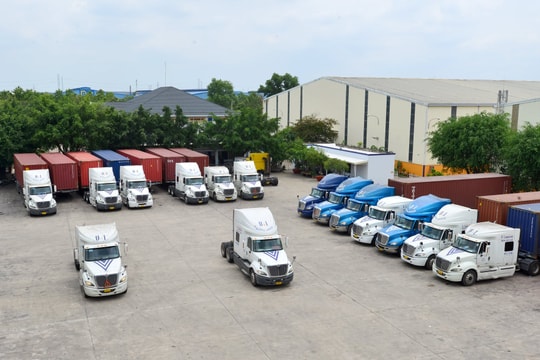
.png "Hormuz: a late warning for global trade")
.png "Dung Quat Refinery Runs Steadily at 124-125% Capacity, Securing Fuel Supply During Tet")
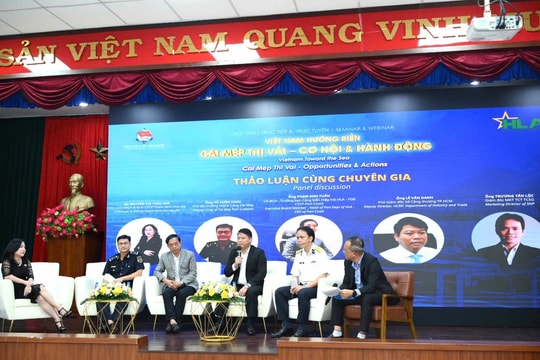



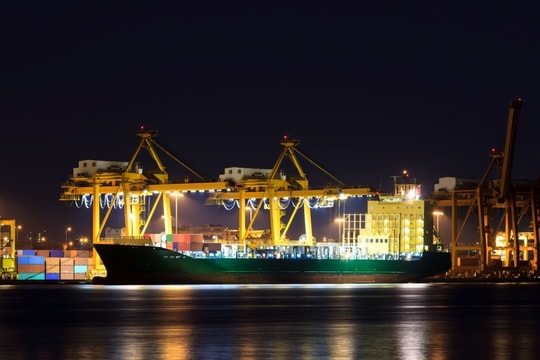
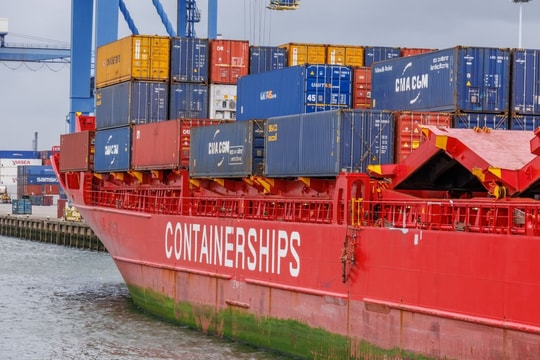
.png "The Sanctions Trap in Maritime Shipping – From Oil to Containers")

Liên hệ: Trương Thị Uyên Ly - Mobile: +84 35 203 4671
Hotline: 0816 886 786
Email: ketnoiviet.hcmc@gmail.com
Địa chỉ: 33 Nguyễn Trọng Lội, Phường Tân Sơn Nhất, TP Hồ Chí Minh
Được đầu tư phát triển và sở hữu bản quyền bởi Công ty TNHH Thương mại Dịch vụ Truyền thông Kết Nối Việt.