
.png)
.png)
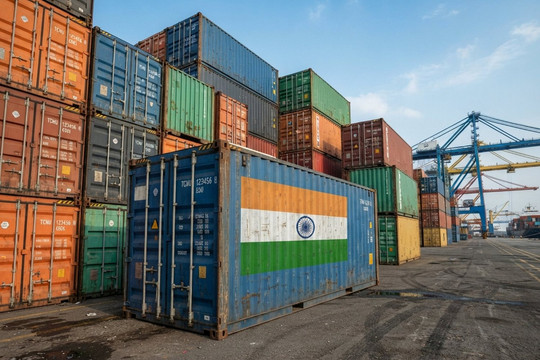
Sanctions once targeted oil tankers have now expanded into the container shipping industry. This shift has unwittingly created a new legal punch, full of risk. It’s no longer just a matter of cargo; it’s a test of logistics chain governance in a deeply globalized and politicized world.
“Cross‑line” Sanctions: Containers Aren’t Spared Either
Since the first half of 2024, the U.S. and Europe no longer focus solely on oil tankers in their efforts to clamp down on the financial networks tied to Iran and Russia. New sanctions packages have extended into the container domain—previously seen as a “legal dead zone,” more transparent and less entangled with dark financial networks.
.png)
.png)
Notably, the shipping company SeaLead (Singapore) had nearly one-third of its chartered fleet implicated for operating with companies in Iran’s financial ecosystem. Even without direct evidence that SeaLead violated sanctions, their failure to vet vessel owners and histories in time forced the immediate suspension of 16 vessels—dealing a heavy blow to reputation and operations. This shows containers are no longer a “default safe channel,” but are under increasingly strict scrutiny in the new sanctions framework.
Panama Tightens Registration to Avoid “Dark Fleet”
Panama—the country with the world’s largest flagged fleet—has enacted strong measures to eliminate “anonymous flagging,” announcing it will refuse registration of any oil or cargo ship older than 15 years. The aim is to cut off permissive registration channels that enable the so-called “dark fleet” of vessels with obscured ownership, shifting frequently between small operators, and using fake documents to evade international sanctions.
Crucially, these new regulations now also impact container ships with unclear origins or links to sanctioned zones. According to Lloyd’s List, over 650 vessels have been expunged from its registry in the last three years, including container ships failing to meet international operating standards or tied to opaque financial networks. It’s no longer just about oil—the container shipping market is now being forced to transparently disclose ownership, financial sources, and operational history to remain viable in the global legal arena.
Consequences for the Global Transport Chain
The first consequence is that carriers must spend more on compliance checks—not just documentation costs but also personnel, data audits, and continuous updates of blacklist data from OFAC, the EU, and international authorities. Vessel swaps, rerouting, or suspending high‑risk trades impose significant financial burdens, especially for small and mid‑sized carriers.
Beyond that, carriers suddenly disrupted by sanctions may owe compensation to customers for delayed deliveries and lose access to ports, banks, and international logistics partners who are highly sensitive to compliance reputation.
.png)
.png)
The danger is acute for many countries—including developing economies—that still lack early‑warning systems and full‑chain risk assessment tools. That means a single sanctioned ship can affect not only the carrier, but also ports, warehouses, import‑export businesses, and even banks financing the cargo contracts.
How Should Vietnam Be Alert?
In this context, Vietnam must act swiftly and strategically to avoid being drawn into this expanding global risk vortex. First, logistics and shipping enterprises need to adopt international compliance standards—establishing processes to verify vessel registries, operating history, and ownership data on a recurring basis.
.png)
.png)
Vietnam’s ports and customs agencies should also upgrade vessel identification and monitoring systems—not just to combat maritime crime but to ensure they do not receive sanctioned vessels. From a regulatory standpoint, the government should soon issue legal vetting procedures for container ships, mandate disclosure of ownership information, and incentivize transparency in international logistics contracts.
More importantly, Vietnam should proactively join global transparency initiatives like the Clean Shipping Index or Compliance Certification Schemes—to both enhance competitiveness through reputation and avoid being inadvertently entangled in international sanctions litigation.
The shift in sanctions from oil to containers is not just an expansion of targets—but a turning point in how supply chains are regulated via legal instruments. Enterprises that still assume containers are politically neutral must change quickly: just one unchecked link can freeze a multimillion‑dollar supply chain in an instant.
In an era when maritime shipping is no longer a neutral zone, all logistics actors—from carriers and ports to importers/exporters—fall under the radar of geopolitical and international financial sanctions policies. Unlike before, when a sanction might affect only one trade route or company, today’s ripple effects can halt entire systems: port services, domestic transport, insurance, and payments—all because a single vessel has been listed.
.png)
.png)
In this uncertain environment, countries and businesses that invest in transparency, risk‑forecasting capabilities, and strategic legal thinking will not only survive the “sanctions trap” but emerge stronger from the chaos.
.png "Container Oversupply: Not Just a Crisis, but a Strategic Stress Test")
.png "Maritime Pilots: Silent in Transition, Steady Amidst Transformation")
.png "Culture – People of Identity: The Root of the New Ho Chi Minh City Megacity")
.png "Vietnam’s Seaports: A New Race and a Quiet Shake-Up")

.png "Dien Bien builds investment value chains to power its next growth chapter")

.jpg "Dien Bien, Yunnan and Luang Prabang: Expanding Regional Cooperation and Investment Opportunities")