

CVD lifted for multiple agricultural products - effective immediately
The November 14, 2025 executive order adjusts the scope of countervailing duties and eliminates supplemental tariffs on certain agricultural imports. The beneficiaries include tropical fruits, fruit juices, coffee, tea, cocoa, and spices. The decision followed rapid progress recorded at Vietnam - U.S. trade talks held November 12–14 in Washington, creating favorable conditions for the policy shift.
Lower “barrier-hopping” costs and level pricing competition
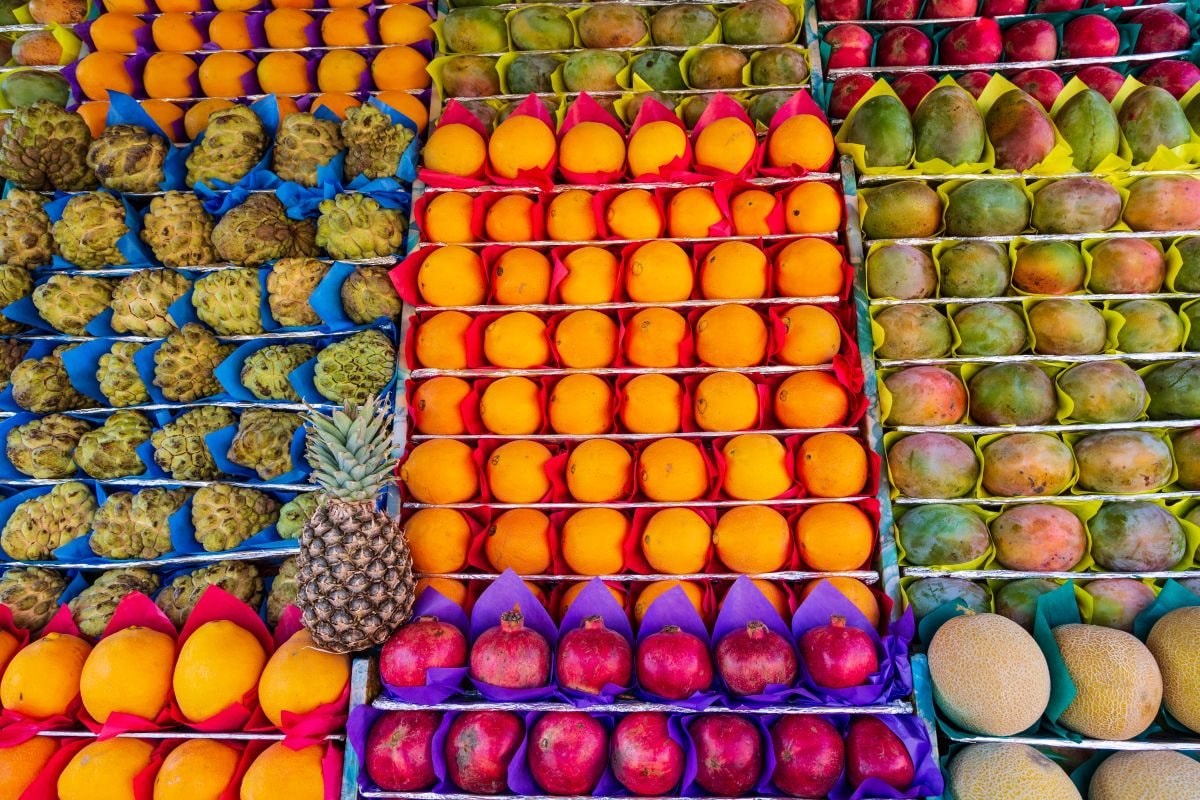
Eliminating CVD removes a layer of costs and related compliance overhead such as sureties and document reviews from Vietnam’s supply chains into the U.S. Even if previous duty rates were not very high, the marginal effect is meaningful: Vietnamese goods become more price-competitive against peers, while uncertainty in long-term quotations for U.S. buyers is reduced. For price-sensitive items like dragon fruit, mango, longan, and durian, a better shelf price can translate into stronger seasonal demand.
Removing an “invisible barrier,” unlocking longer-term contracts
Once the U.S. authorities formally ease the scope of CVD, Vietnam’s sector gains further recognition for market-based operations and compliant support practices. This alleviates U.S. importers’ and retailers’ caution about sudden cost surprises, encouraging longer-tenor contracts, the addition of new SKUs, and larger investments in marketing and safety stocks. Visible results should include more stable sailing schedules and faster inventory turns across both East and West Coast distribution channels.
Within the six-month window after the policy shift: (1) re-negotiate spot prices and terms with U.S. partners to catch peak seasons; (2) prioritize routes with shorter transit times and reliable cold chains; (3) launch trial SKUs for new fruits such as pomelo, passion fruit, and coconut; (4) co-create retail displays labeled “Vietnam tropical fruits - no countervailing duty” to tell a transparent price-and-quality story.
From “under negotiation” to “market testing”
With tariff risk reduced, exporters can accelerate items already seeking or newly granted access -pomelo, passion fruit, coconut, and more. For processed categories such as juices and fresh-cut products, the advantage is even clearer thanks to higher margins. Phytosanitary and quality-assurance rules still apply, but total unit cost will likely decline, making it easier to pilot in-store sampling and regional retail rollouts.

CVD relief is not a miracle cure, but it bends the demand curve for Vietnamese produce in the U.S. The price-and-confidence edge will deliver its full effect only if cold chains, quality standards, and sailing schedules are tightly managed. Exporters that move quickly - with the right SKUs, lanes, and partners - will score early as U.S. consumers look for value-for-money options that remain fresh and flavorful.
.jpg "Is the Red Sea About to “Reopen”: How a Return to Suez Could Reshape the Market?")
.png "U&I Logistics: Inland Waterways for Agricultural Cargo - Low Cost, High Quality, and Green")

.jpg "Zero-Emission Trucks + AI: a practical road for road freight")

.jpg "Dien Bien, Yunnan and Luang Prabang: Expanding Regional Cooperation and Investment Opportunities")