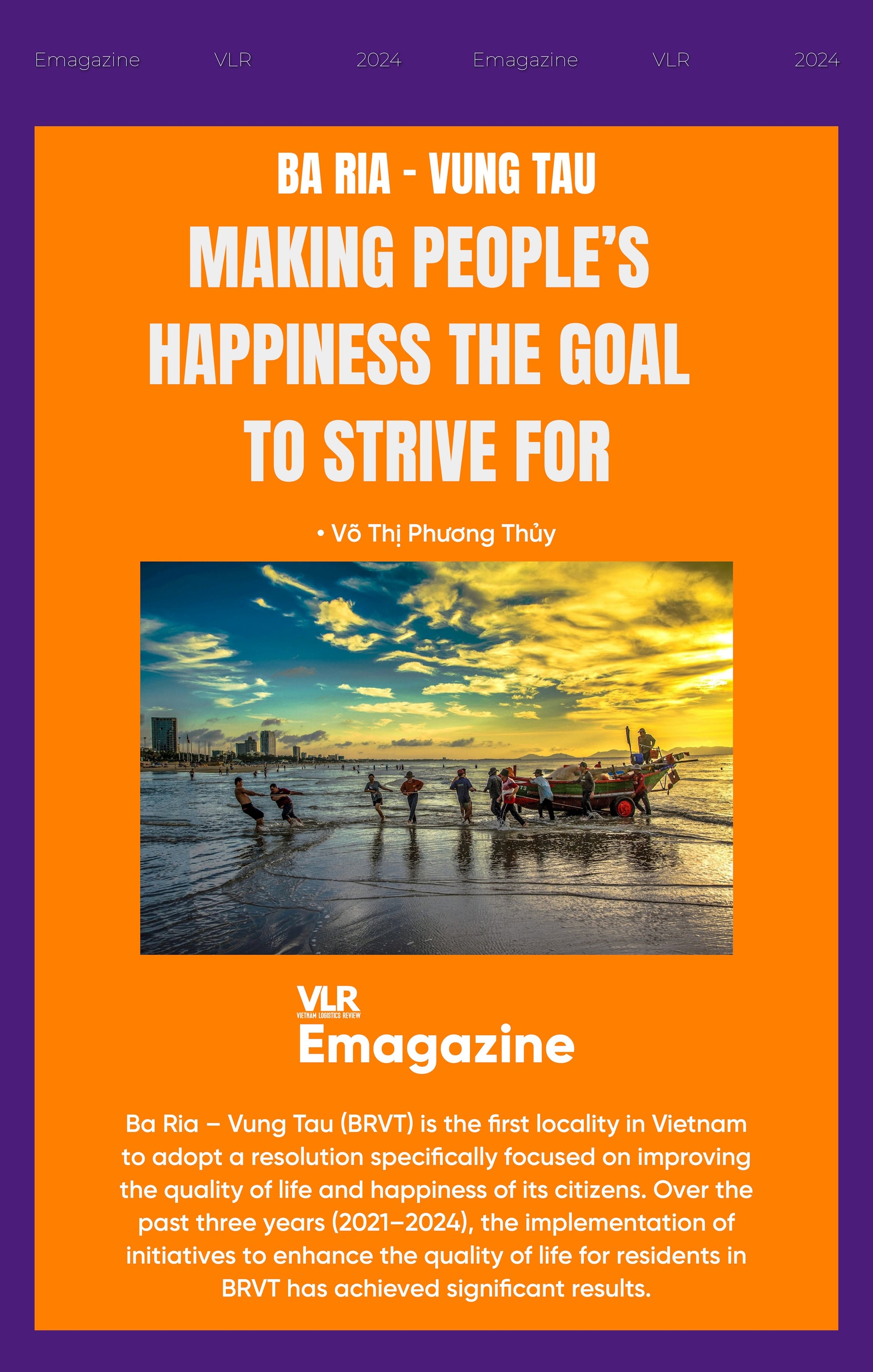
A Resolution for the People
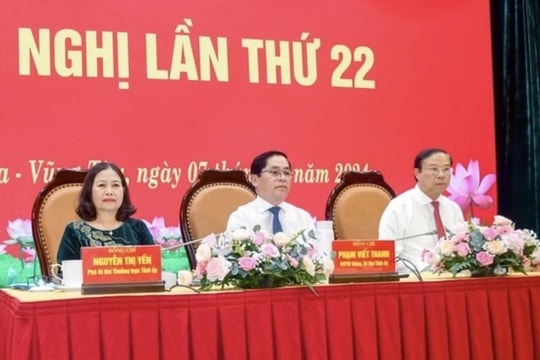
On December 10, 2021, the BRVT Provincial Party Committee issued Decision No. 05-NQ/TU, outlining the goal of improving the quality of life and happiness of its citizens through 2025, with orientations toward 2030 and a vision to 2045.
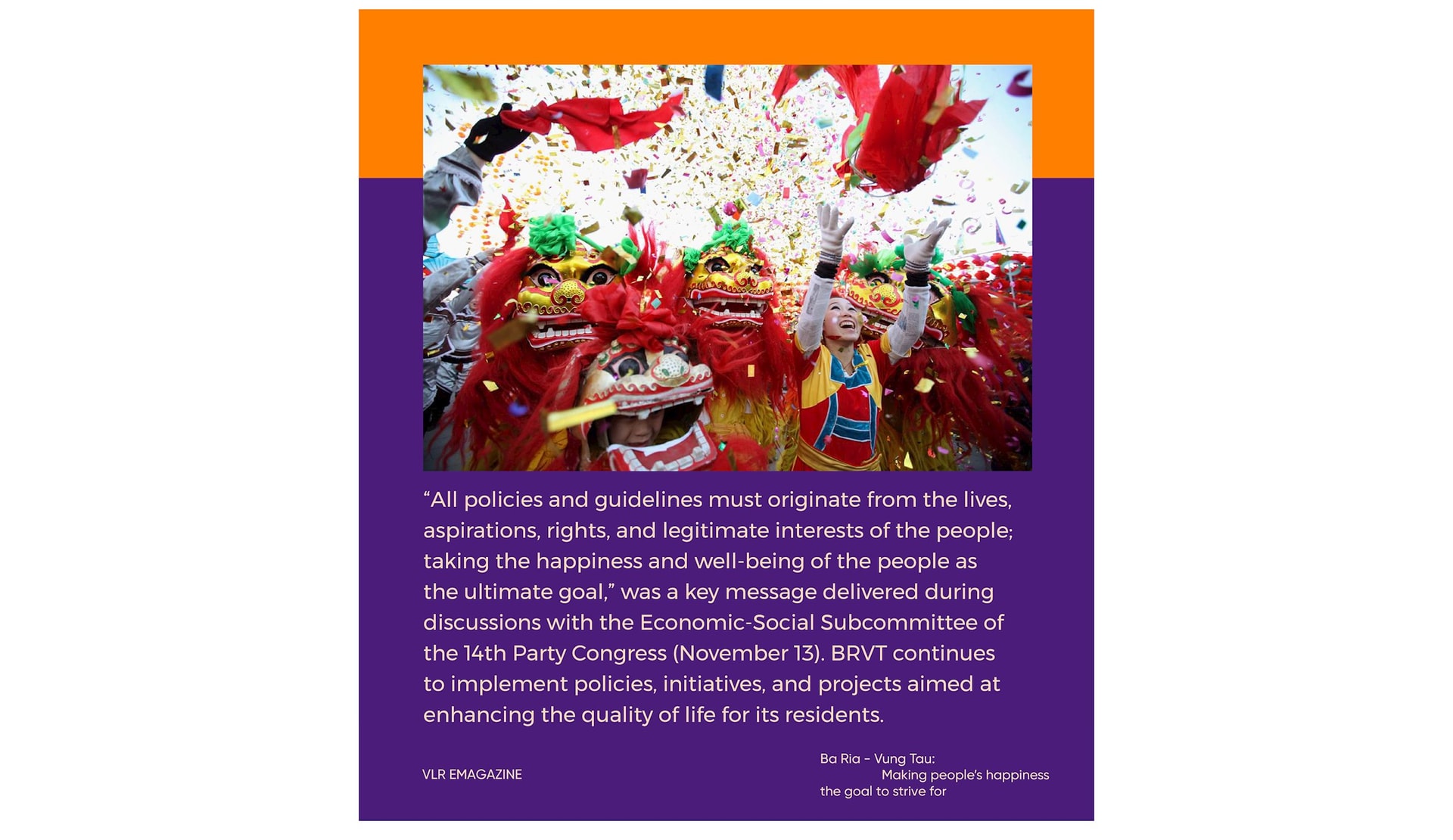
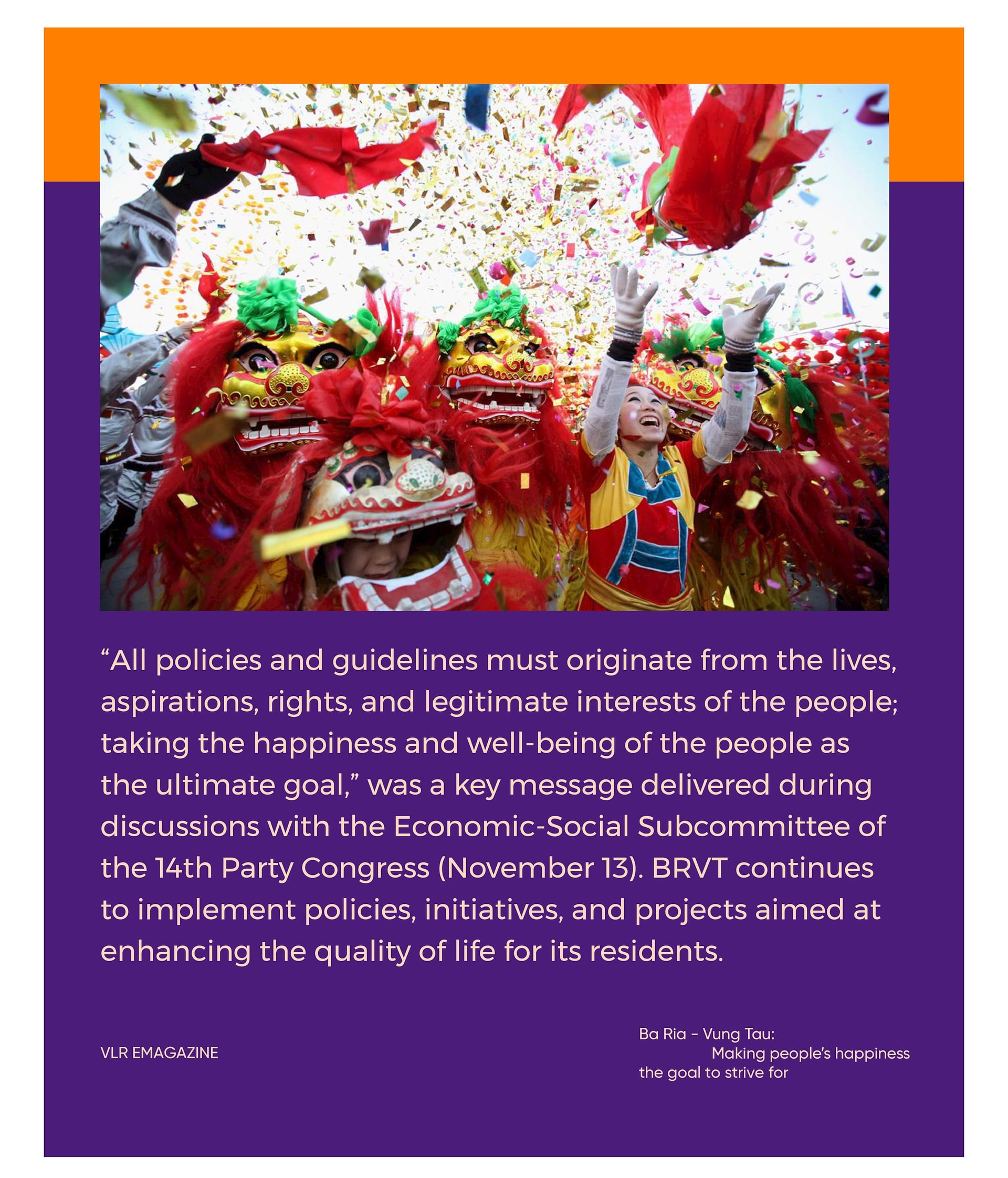
The resolution underscores the principle: “Continuously improve the income, quality of life, and happiness of the people, considering this a key, ongoing, and long-term political task of the Party, government, and the entire political system; it is the goal of the whole society and the aspiration of the people.”
The province aims to drive rapid economic growth, ensuring that its per capita GRDP remains among the highest in the nation while increasing residents’ disposable incomes. BRVT seeks to create numerous high-quality, stable jobs with competitive wages and reduce the unemployment rate.
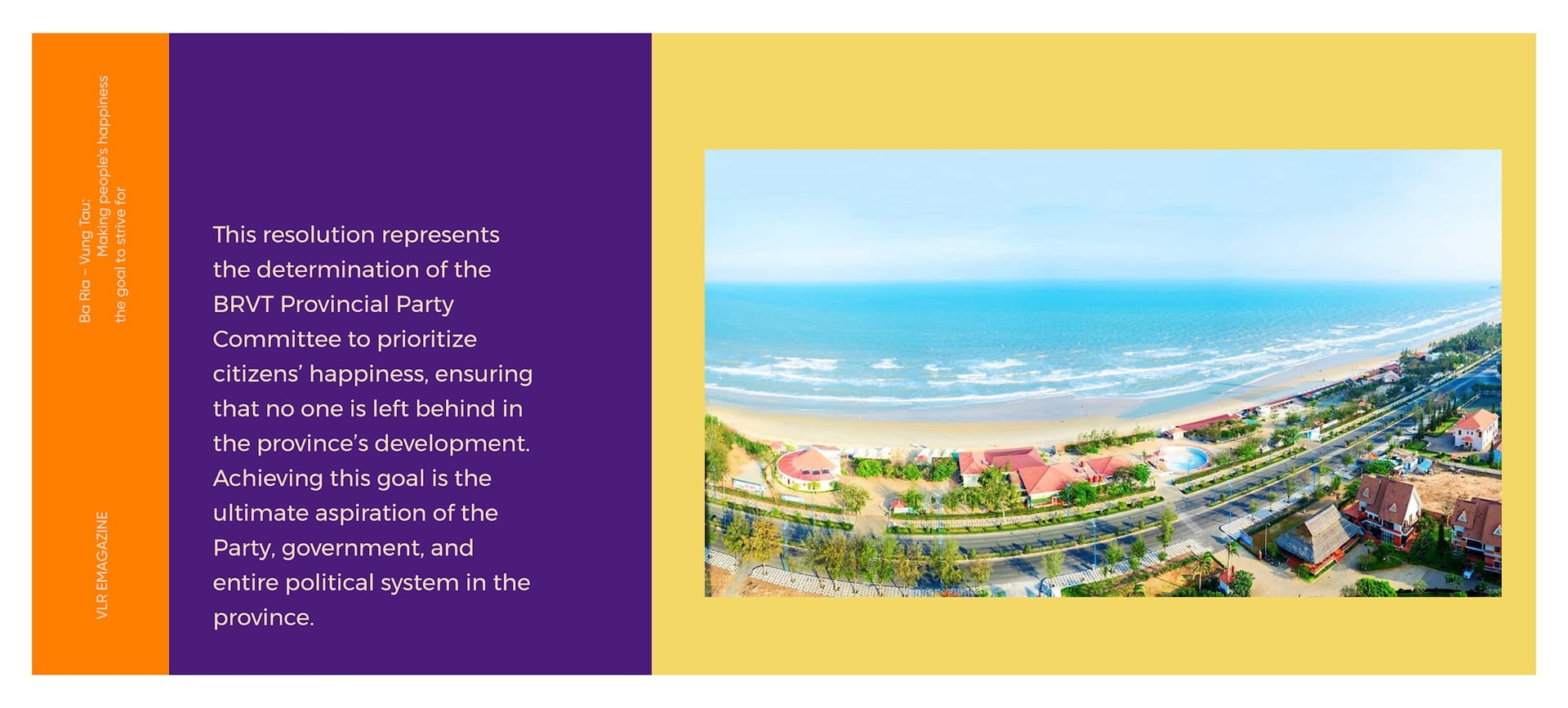
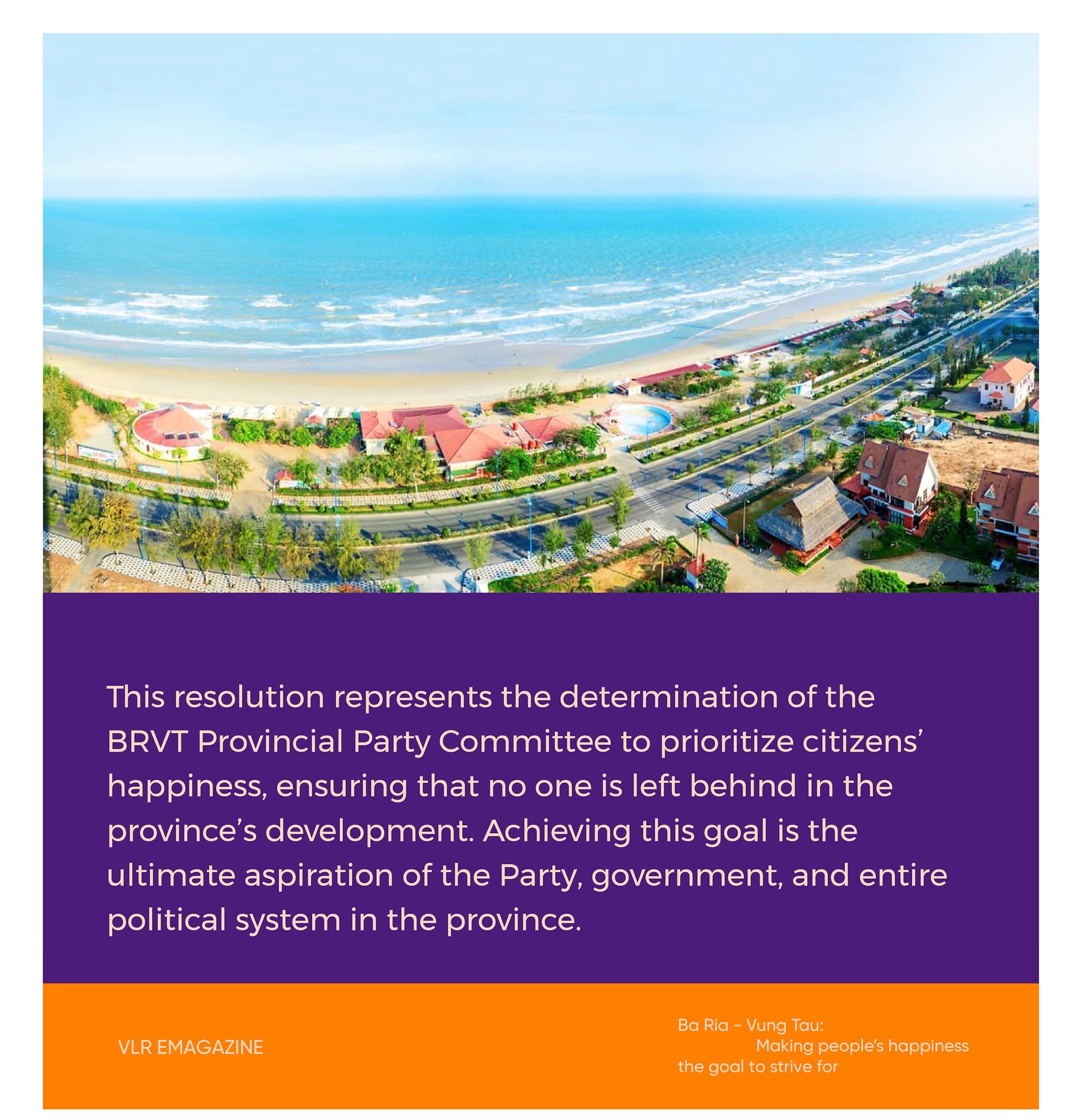
To bring the resolution to life, BRVT’s leadership has committed to building a friendly, citizen-oriented government dedicated to serving the people. This commitment remains a top priority for the province in the coming years.
In recent years, provincial authorities at all levels have implemented decisive and comprehensive measures. These include mobilizing resources to invest in infrastructure, upgrading public facilities, and enhancing the professionalism and accountability of public officials to modernize governance. BRVT has also promoted administrative reform and digital transformation to ensure transparency in handling citizen and business-related processes.
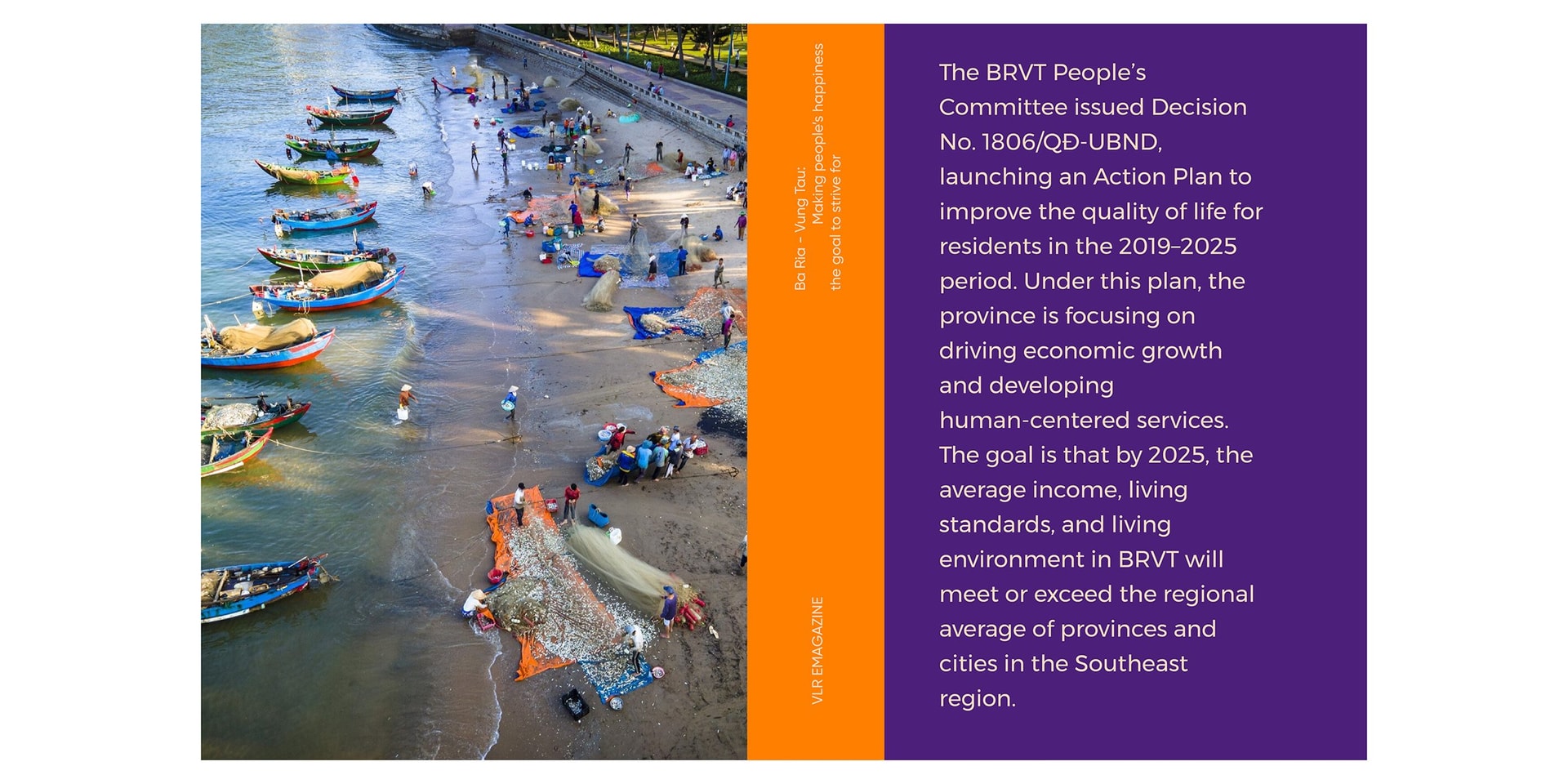
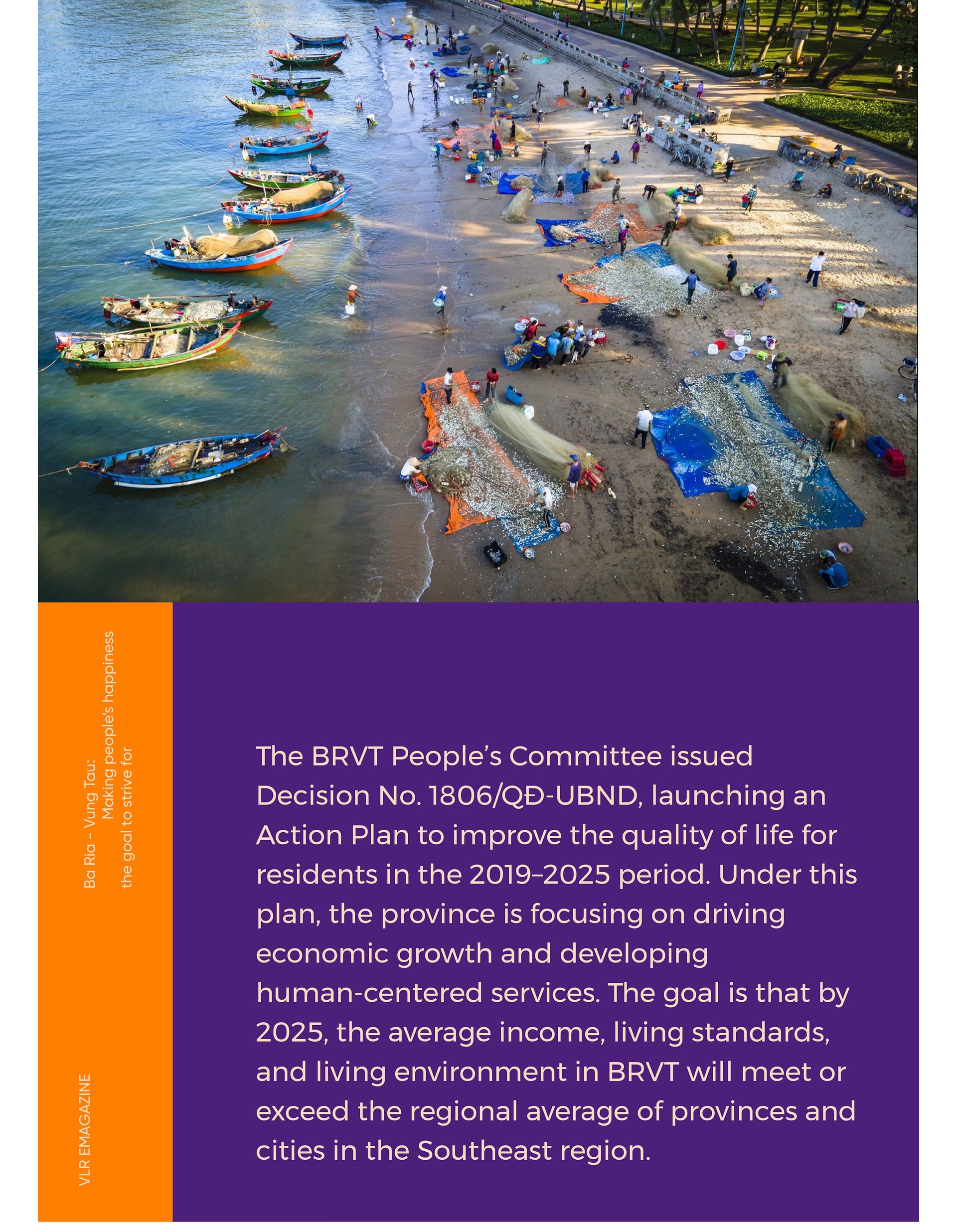
The plan outlines specific targets across eight key areas of citizens’ lives, including housing and per capita income. By 2025, BRVT aims for 97% of households to have semi-permanent housing or better, equipped with basic amenities to meet minimum living needs. Additionally, the province is targeting an average monthly per capita income that is 1.2 times higher than the regional average.
BRVT is placing particular emphasis on improving housing conditions, especially for disadvantaged groups, including low-income households and policy families. Efforts include enhancing housing quality for the poor and developing social housing projects. To achieve these objectives, the BRVT People’s Committee has tasked relevant departments and agencies with implementing 35 specific tasks, programs, and projects.
Leaving no one behind
To improve the quality of life for its citizens, BRVT has identified the development of social housing as a priority policy for target groups, including affordable housing for low-income urban residents and housing for workers in industrial zones across the province.
On July 15, 2022, the BRVT Provincial People’s Council issued Resolution No. 35/NQ-HĐND, approving the Housing Development Program for the 2021–2030 period. Following this, the BRVT People’s Committee approved the Housing Development Program for the same period, with specific annual decisions issued for its implementation.
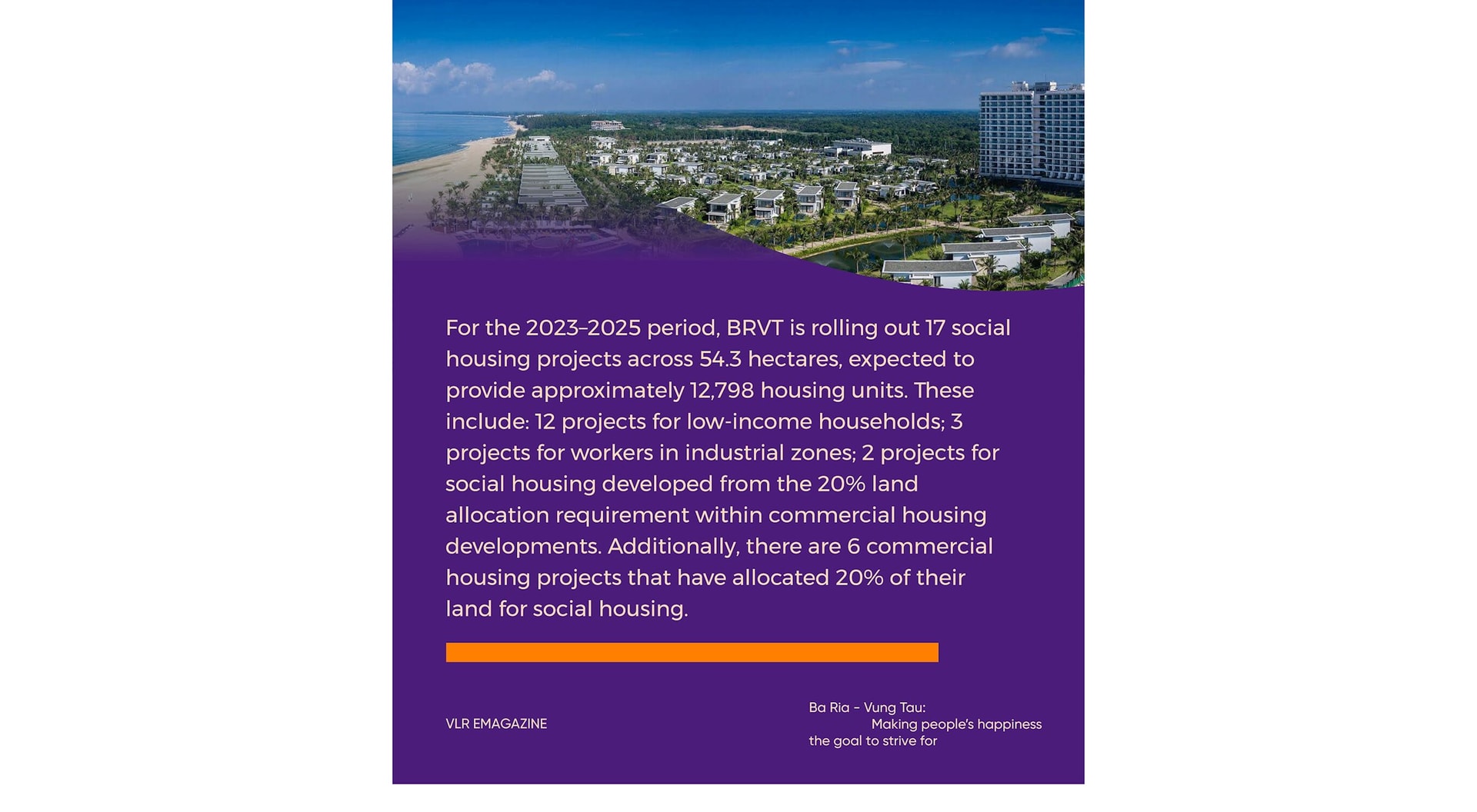
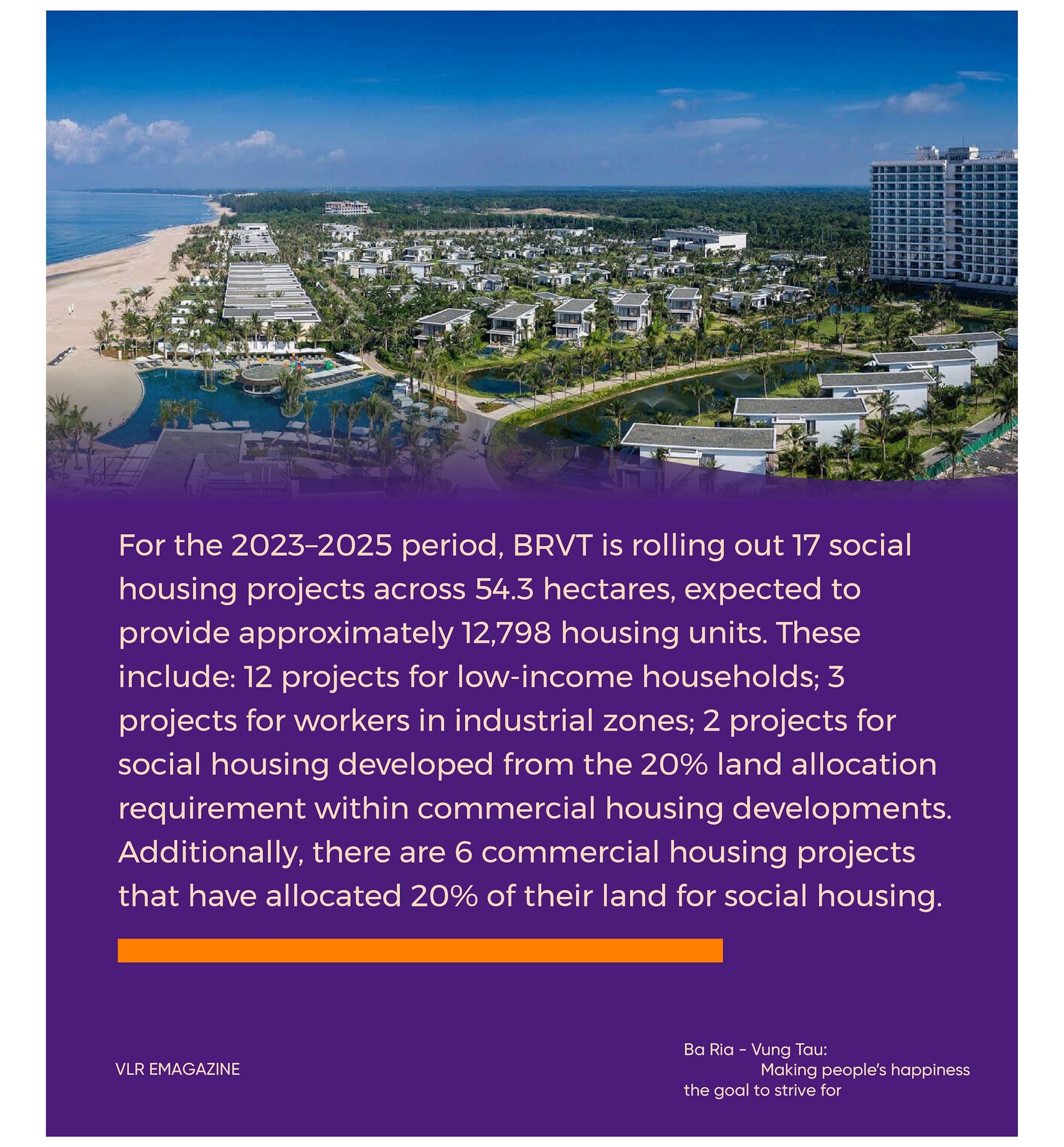
The city of Vung Tau, which has a high demand for housing and hosts several large projects, currently has 3 social housing projects underway, with 2 located in Ward 10. According to city leaders, these two projects will significantly address the social housing needs of the area. They will also enable disadvantaged urban residents who meet eligibility criteria to purchase, lease-purchase, or rent housing under the new Housing Law.
Under the direction of the provincial government and with active involvement from all levels of the political system, local authorities, and businesses, BRVT has completed 22 social housing projects in recent years. These projects cover a total area of 46.1 hectares, corresponding to 2,323 apartments, broken down as follows: 9 projects for low-income individuals, officials, and public servants, spanning 6.1 hectares with 1,551 apartments; 13 projects for workers and laborers in industrial zones, covering 40 hectares with 1,722 apartments.
In addition, BRVT has implemented housing support programs for targeted groups, including: Support for 2,172 families of revolution contributors; Housing assistance for 2,911 low-income households; Aid for elderly individuals facing housing difficulties, as well as other vulnerable groups.
Despite notable achievements, social housing development in BRVT still faces challenges: Many targets set in the Housing Development Program for 2020–2030 have not been met; The supply of social housing remains insufficient to meet the growing demand.
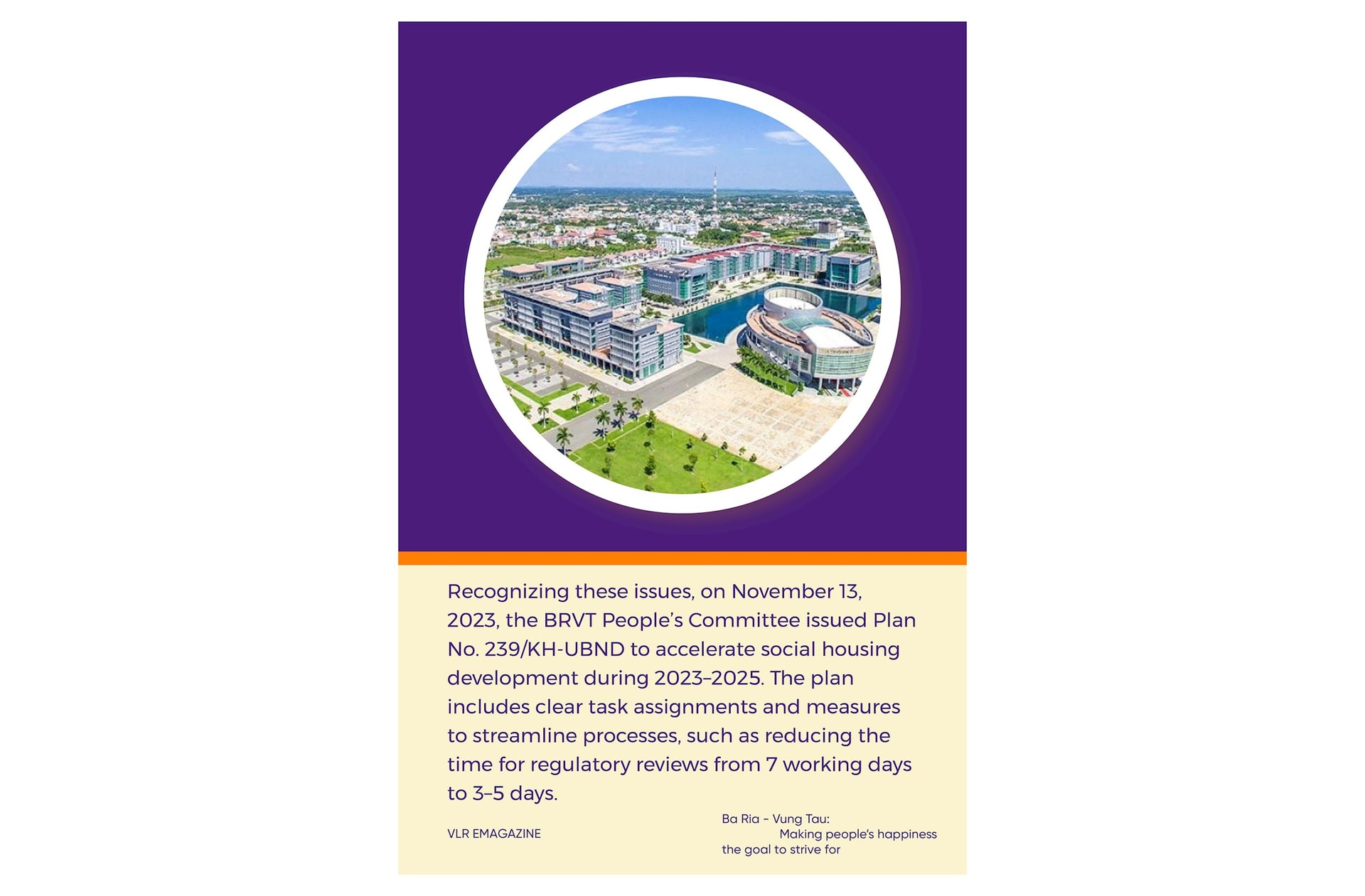
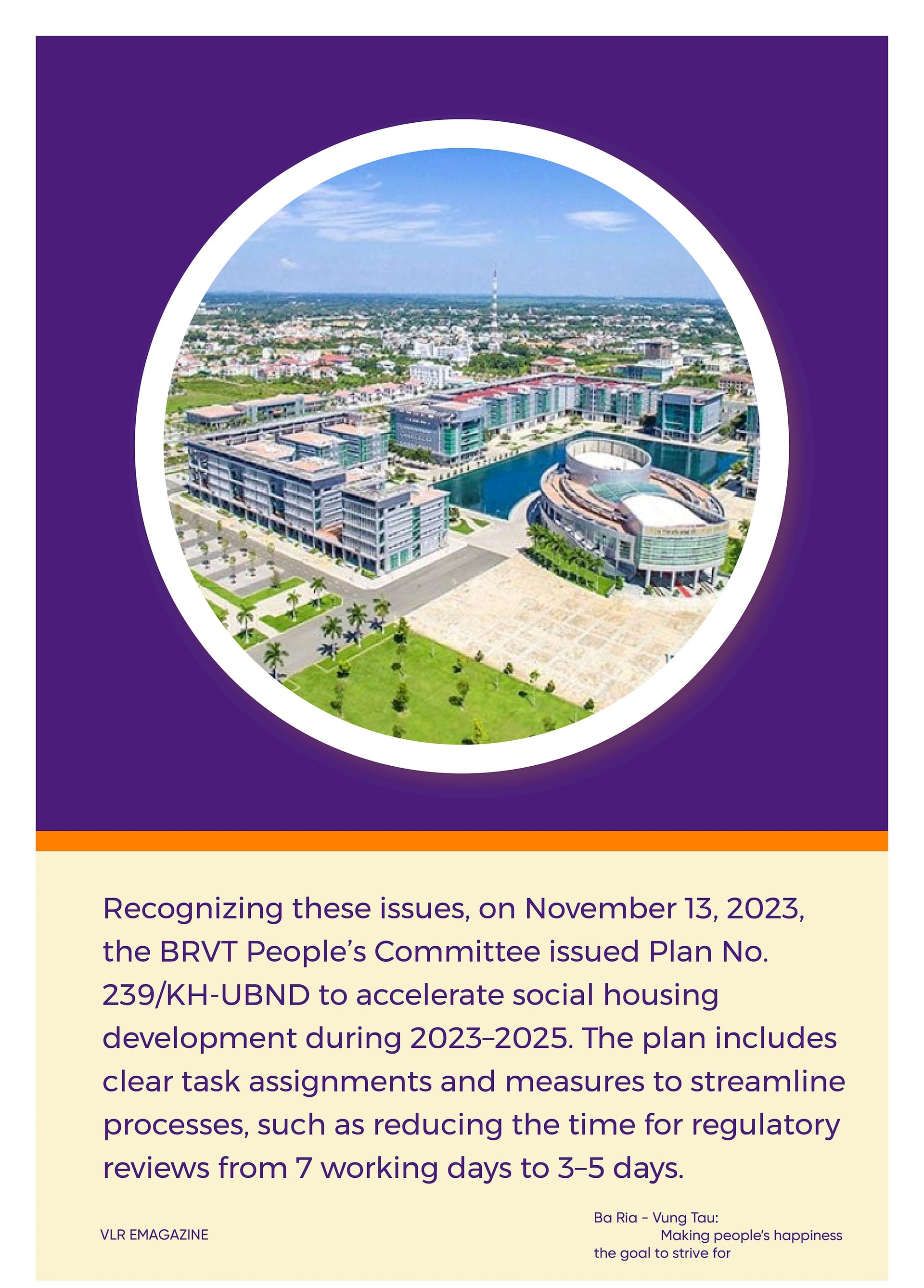
The Department of Natural Resources and Environment has been tasked with leading efforts to address challenges in land allocation, land use planning, and expediting administrative procedures related to land.
To sustain and build on these achievements, BRVT continues to implement economic and social development programs, plans, and projects. These efforts aim to promote rapid and sustainable economic growth while improving the quality of life and fostering a foundation for long-term prosperity and happiness for its people. By 2045, BRVT aspires to achieve a standard of living for its residents comparable to that of developed nations.