
Food must not only taste good; it must prove safety
Modern consumers no longer ask only whether food tastes good. They increasingly care where it comes from, how it was produced, how it was stored, at what temperature it was transported, what certifications it carries, whether the cold chain was broken and how far traceability can go when a problem occurs.
This changes the food supply chain fundamentally. In the past, many companies focused on production and sales, while logistics was treated as transport. Today, logistics has become part of food quality. A product may meet standards at the factory, but if it is stored at the wrong temperature, delivered late, poorly packaged, cross-contaminated in storage or lacks traceability data, consumer trust will be affected.
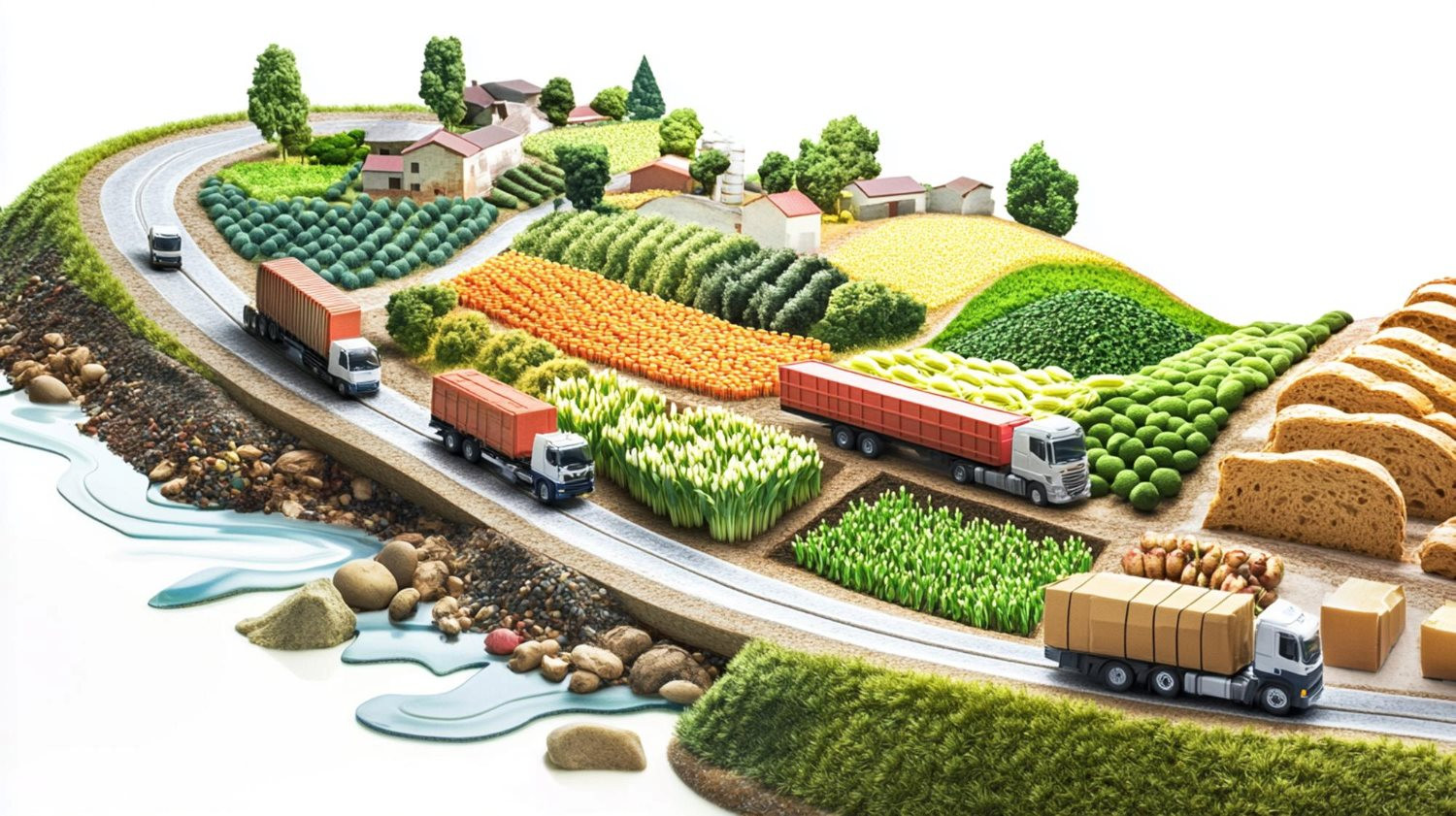
For Vietnam, food supply chains are especially important because they serve both domestic and export markets. Agricultural products, seafood, processed foods, frozen goods, fresh food, industrial catering and food delivery all require reliable logistics systems. As incomes rise and the middle class expands, demand for safety, convenience and transparency will continue to grow.
Food supply chains are chains of continuous risk
Unlike many ordinary goods, food is sensitive to time, temperature, humidity, microorganisms, shock, cross-contamination, packaging and human handling. One wrong point in the chain can damage the entire product value.
Risk begins at the raw material source: seed quality, feed, pesticides, antibiotics, water sources and harvest conditions. It continues through preliminary processing, slaughtering, packaging, freezing, storage, transport, warehousing, handling, distribution, retail and delivery to consumers. At each stage, if data is not recorded, the chain loses its ability to prove what happened.
For fresh and frozen products, the cold chain is critical. It is not enough to “keep goods cold”. Temperature must be controlled at the right threshold, for the right time and through the right process. A warehouse door opened too long, an unstable refrigerated truck, an uncontrolled transfer point or extended waiting time can affect quality before the damage becomes visible.
For processed foods, traceability of ingredients, expiry control, packaging, production batches and storage conditions are equally important. When a food safety incident occurs, companies need to know which batch is involved, where products have gone, where they remain, how to recall them and where the cause may lie.
Food supply chains do not only move products. They move trust. That trust is built through traceability data, temperature control, hygiene procedures, quality certifications, recall capability and transparency when incidents occur.
Three capability layers to build
The first layer is traceability. This is the foundation of trust. Traceability should not be only a QR code attached to a product. It must be a real data system: raw material areas, suppliers, production batches, harvest dates, processing dates, storage conditions, transport routes, points of sale and market feedback. If a traceability label leads only to a simple information page, it creates little management value.
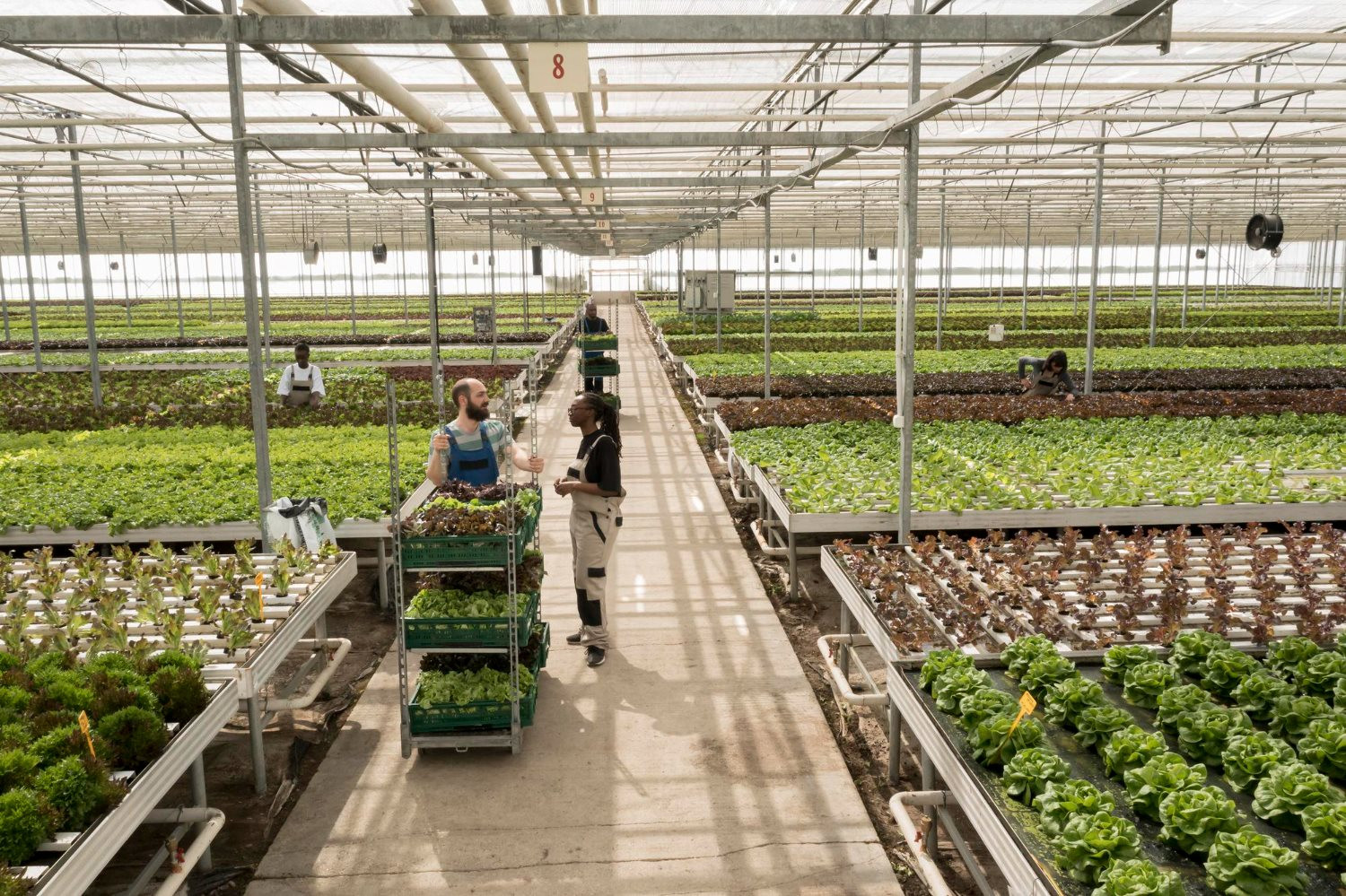
The second layer is storage-condition management. For food, especially fresh, chilled, frozen and short-shelf-life products, storage conditions determine value. Companies need to control temperature, humidity, time, warehouse hygiene, product zoning, handling procedures, transport vehicles and delivery points. Sensor data, temperature alerts and real-time recording will become increasingly important.
The third layer is incident-response capability. A food supply chain cannot promise that risk will never occur. What matters is early detection, fast containment, accurate recall, transparent communication and root-cause correction. If supply chain data is strong, companies can recall the right batch in the right market, reduce damage and protect reputation. If data is weak, a small incident can become a major crisis.
Food e-commerce makes the challenge harder
As food enters e-commerce, the supply chain becomes more complex. Consumers order through apps, websites or marketplaces and expect products to arrive quickly, fresh, at the right temperature, with attractive packaging and easy returns. This requires food fulfilment to be different from ordinary dry-goods fulfilment.
Fresh food requires inventory close to customers, fast turnover, shelf-life control and suitable packaging. Chilled food needs proper vehicles and insulated containers. Ready-to-eat food requires very short delivery times. Frozen goods must maintain temperature from warehouse to doorstep. If one general logistics model is used for all products, quality will be difficult to guarantee.
Food e-commerce also creates strong pressure around returns and complaints. A product delivered 30 minutes late may no longer meet expectations. Damaged packaging may make customers doubt quality. Unclear expiry information can destroy trust. Customer experience in food is therefore more closely tied to logistics than in many other sectors.
Vietnam’s opportunity: from safety to brand value
If Vietnam builds strong food supply chains, it can not only reduce safety risks but also increase brand value. In the domestic market, transparent food chains will help consumers trust Vietnamese products more, from agriculture, seafood, meat, eggs and dairy to processed foods. In export markets, traceability and strong logistics help companies meet stricter standards.
Vietnam has advantages in agriculture, seafood and tropical foods. But to compete sustainably, production advantages must be accompanied by supply chain advantages. A delicious fruit that cannot maintain quality when it reaches the buyer will lose value. A seafood product that meets standards but has weak traceability data will face difficulties when markets tighten controls. A food brand that wants to go far must be able to prove quality, not only advertise it.
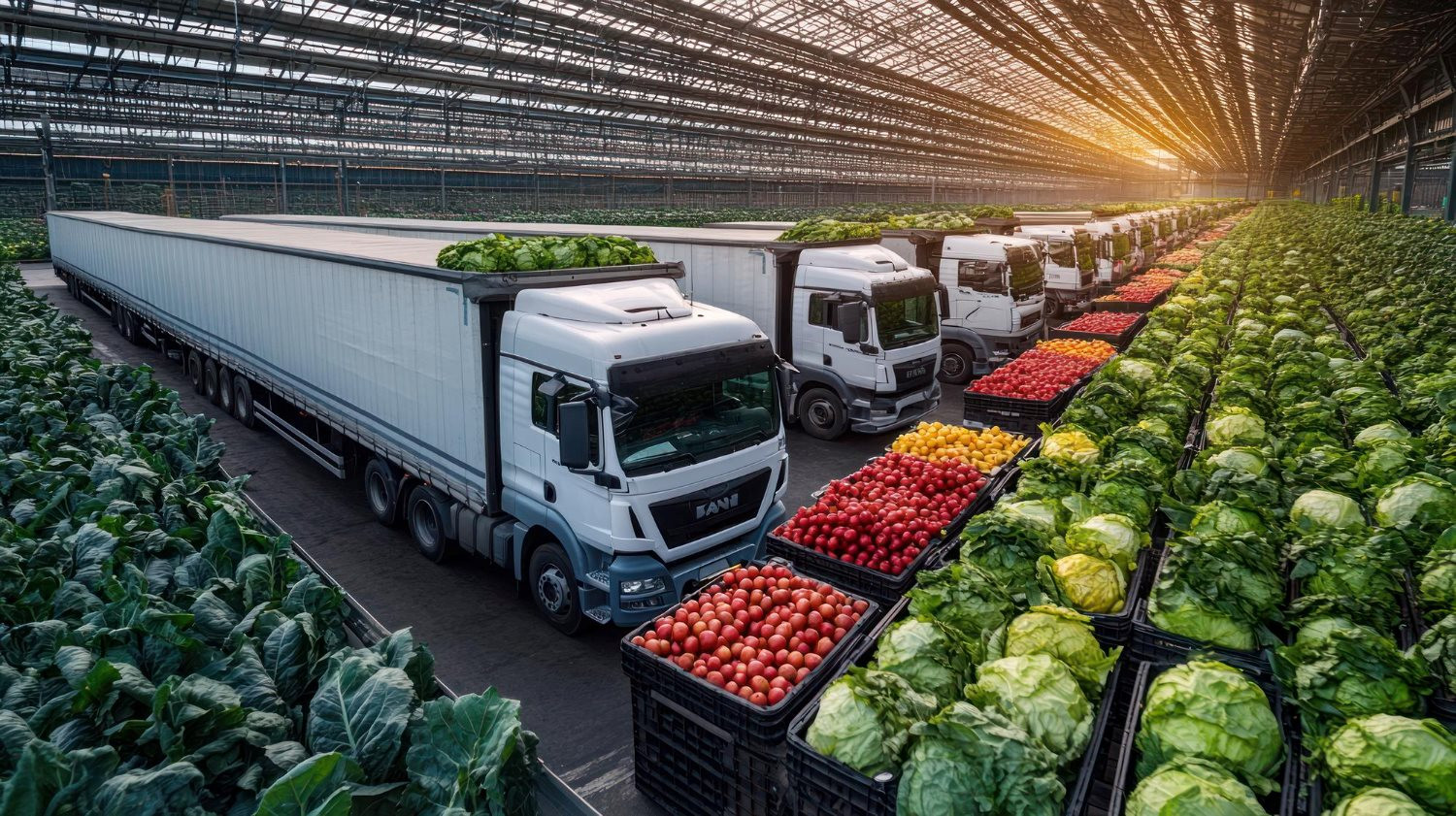
Logistics companies also have many opportunities: cold storage, refrigerated transport, food fulfilment, urban distribution, temperature data, traceability, product recall, insulated packaging and standards consulting. This is a high-demand segment, but it requires specialised capability and strict operational discipline.
Food supply chains are where logistics directly meets public health and social trust. Food cannot be managed with ordinary transport thinking. It requires an integrated system of production, quality control, traceability, cold chains, warehousing, transport, retail, e-commerce and data.
For Vietnam, building safe, transparent and provable food supply chains is both an economic and social task. As consumer trust increasingly depends on data, companies that control their supply chains well will not only sell products, but also build sustainable brands.
.png "BSR Secures Fuel Supply, Accelerates Dung Quat Upgrade")