
From moving goods to moving data
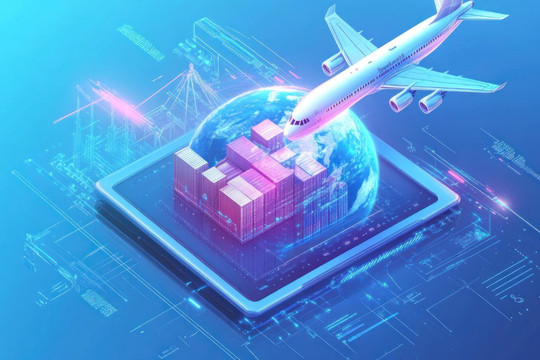
Logistics was once understood mainly as moving goods from point A to point B - as fast, safely and cost-effectively as possible. But in modern supply chains, data has become inseparable from logistics services. A container may move by sea, but its data moves through booking systems, shipping lines, ports, customs, forwarders, banks, insurers, warehouses, factories and customers.
When data is accurate and shared on time, stakeholders can plan more precisely. When data is wrong or late, the supply chain immediately becomes partially blind. Incorrect inventory data can lead to wrong purchasing. An outdated ETA can leave a factory waiting for materials. A mismatched document can hold cargo. Missing temperature data can prevent a company from proving cold-chain quality.

Data is therefore no longer backstage in logistics. It is becoming a strategic asset. Good data reduces waiting time, lowers safety stock, optimises routes, cuts cost, improves traceability, supports emissions reporting, enables trade finance and strengthens trust among stakeholders.
Logistics data must move ahead of goods
In efficient supply chains, data often moves before goods. Before a container reaches the port, the port already has information. Before a truck arrives at the warehouse, the warehouse knows the schedule. Before goods reach customs, documents are prepared. Before customers ask where the shipment is, the company can already see its status in the system.
This is the difference between manual logistics and digital logistics. In manual logistics, information often follows events: goods are already late before the delay is known, documents are already wrong before they are corrected, containers are already held before the cause is investigated. In digital logistics, data is updated earlier, helping companies detect issues before they become losses.
International data standards are reinforcing this trend. In air cargo, IATA states that since January 2026, ONE Record has become the preferred method for cargo data exchange among stakeholders in the air cargo ecosystem. IATA also notes that airlines accounting for more than 70% of global air waybill volumes are on track for implementation, but wider adoption by forwarders, governments and technology providers is needed to accelerate progress. In multimodal transport, eFBL and electronic documents are also creating a new data layer for international trade.

Logistics data does not only answer the question “Where is the cargo?”. It answers more important questions: Is the shipment meeting commitments? Where are extra costs arising? Where is the risk? How much has it emitted? Do the documents match? Can customers trust the supply chain?
Five data groups companies need to manage
The first group is order and inventory data. This is the foundation of every logistics decision. If orders are wrong, inventory is wrong or item codes are inconsistent, every downstream process will be affected. Companies need to standardise SKUs, units of measure, storage locations, inventory status, packaging specifications and order data.
The second group is transport data. This includes routes, vehicles, drivers, schedules, pickup times, delivery times, ETAs, costs, incidents, fuel consumption and on-time delivery rates. These data points help companies optimise routes, reduce empty trips, control service levels and analyse cost.
The third group is document data. Commercial invoices, packing lists, bills of lading, certificates of origin, quarantine certificates, customs documents, insurance papers and related permits must be managed consistently. In international trade, incorrect document data can stop cargo even when the goods themselves have no problem.
The fourth group is quality and cargo-condition data. For cold chains, agriculture, food, pharmaceuticals, chemicals and high-value goods, data on temperature, humidity, shock, seals, waiting time and cargo location is part of the quality record.
The fifth group is emissions and ESG data. As international customers request Scope 3 emissions reporting, logistics cannot remain outside the data system. Companies need data on transport modes, distance, fuel, weight, load factors, warehousing, electricity use and emissions factors for calculation and reporting.
The bottleneck: fragmented data
A major weakness in Vietnamese logistics is not the absence of data, but fragmentation. Data sits in emails, Excel files, accounting systems, warehouse software, chat groups, forwarder systems, customs portals, shipping lines, ports, transport providers and the memories of operations staff. When decisions are needed, companies spend too much time collecting, reconciling and confirming information.
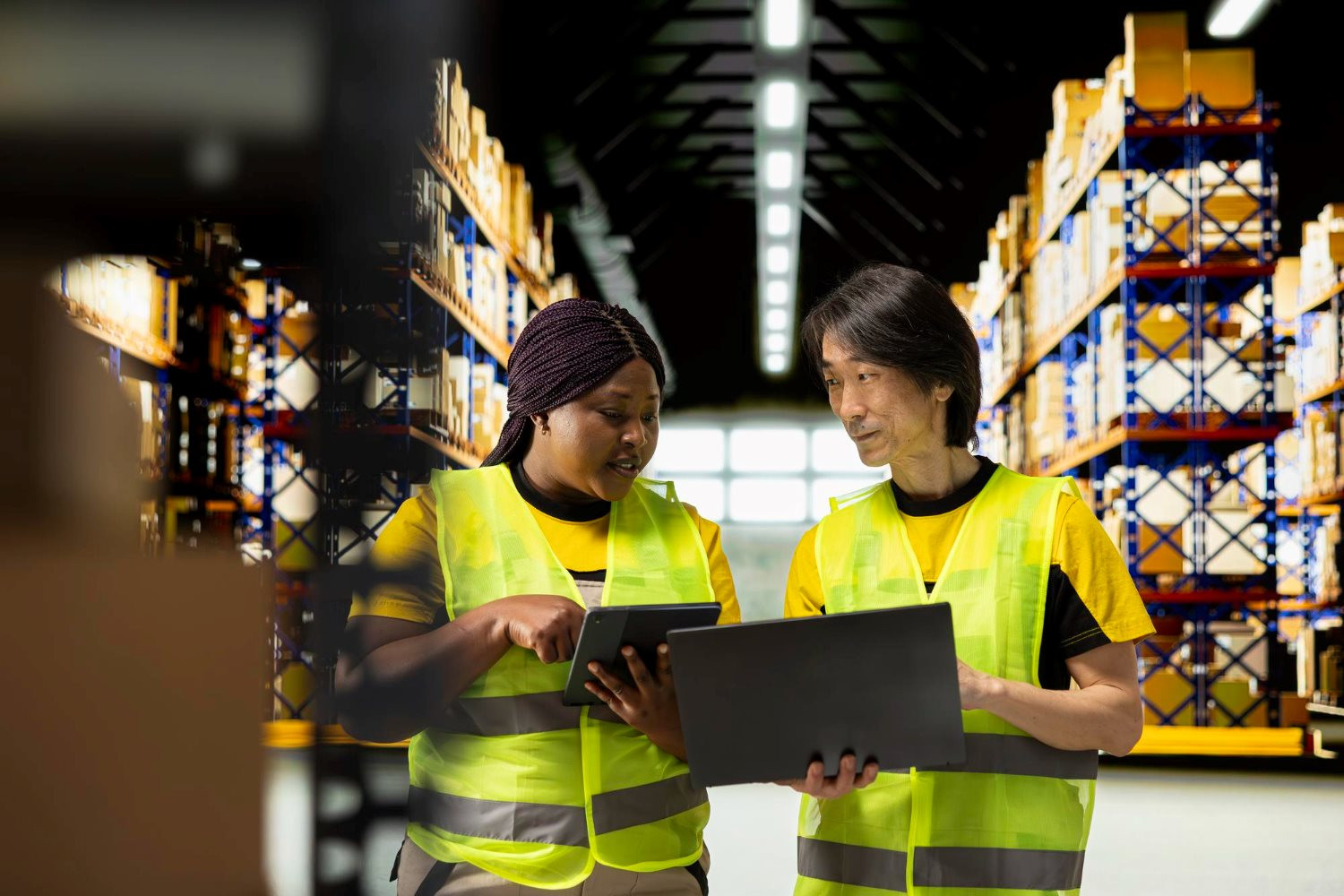
This fragmentation creates three consequences. First, slow response. When information is not centralised, companies detect problems late. Second, weak optimisation. Without clean data, companies do not know where costs arise, which routes are inefficient or which customers are expensive to serve. Third, difficulty integrating with international partners. When customers require standardised data, companies must respond manually, increasing errors and time.
To address this, companies do not need to build a large system immediately. They can start by standardising basic data, building operational dashboards, connecting warehouse, transport, document and accounting data, and applying the principle of entering data once and using it many times.
Data creates value-added services
For logistics providers, data is not only for internal operations. It can become a service. A forwarder can provide shipment dashboards. A warehousing company can provide inventory and turnover reports. A transport provider can provide ETA and emissions data. A fulfilment centre can provide order analytics, return rates and demand forecasts. A cold-chain logistics provider can provide temperature records as proof of quality.
As logistics moves from “moving goods” to “moving goods with data”, service value increases. Customers are not only buying transport capacity; they are buying visibility, control, proof and decision support. This is an opportunity for Vietnamese logistics providers to move beyond price-based competition.
Data in logistics is no longer a technical appendix. It is the new asset of supply chains. Goods may move by truck, ship, aircraft or rail, but their management value is created by the data that moves with them.
For Vietnam, digital logistics should begin with concrete steps: standardising data, reducing manual entry, connecting systems, training data-capable staff, using electronic documents and building trust in information sharing among stakeholders. Companies that manage data well will see their supply chains earlier, more clearly and more deeply. In modern logistics, seeing earlier is an advantage.

.png "BSR Broadens Crude Slate, Strengthens Competitiveness")
.png "Saigon Newport Named One of Asia's Best Companies to Work for in 2026")


.png "BSR NAMED AMONG VIETNAM’S TOP 10 GREEN ESG ENTERPRISES 2026: A Refining and Petrochemical Mark in the Green Transition")