
These air-cargo security regimes require earlier, more detailed and more complete electronic data submissions for each shipment before it is loaded on the aircraft, or else risk “Do Not Load” instructions, cargo holds and heavy penalties. This has turned data quality into a matter of survival for airlines, cargo agents and forwarders across the region.
ICS2, ACAS and the new wave of security regulations
ICS2 (Import Control System 2) is the EU’s new security information system for inbound cargo. It collects pre-arrival security data via the Entry Summary Declaration (ENS). The program is being rolled out in multiple phases: Release 1 in 2021 for postal and express consignments by air, Release 2 in 2023 for commercial air cargo, and from 2024–2025 Release 3 extends coverage to maritime, road, rail and inland waterways traffic.
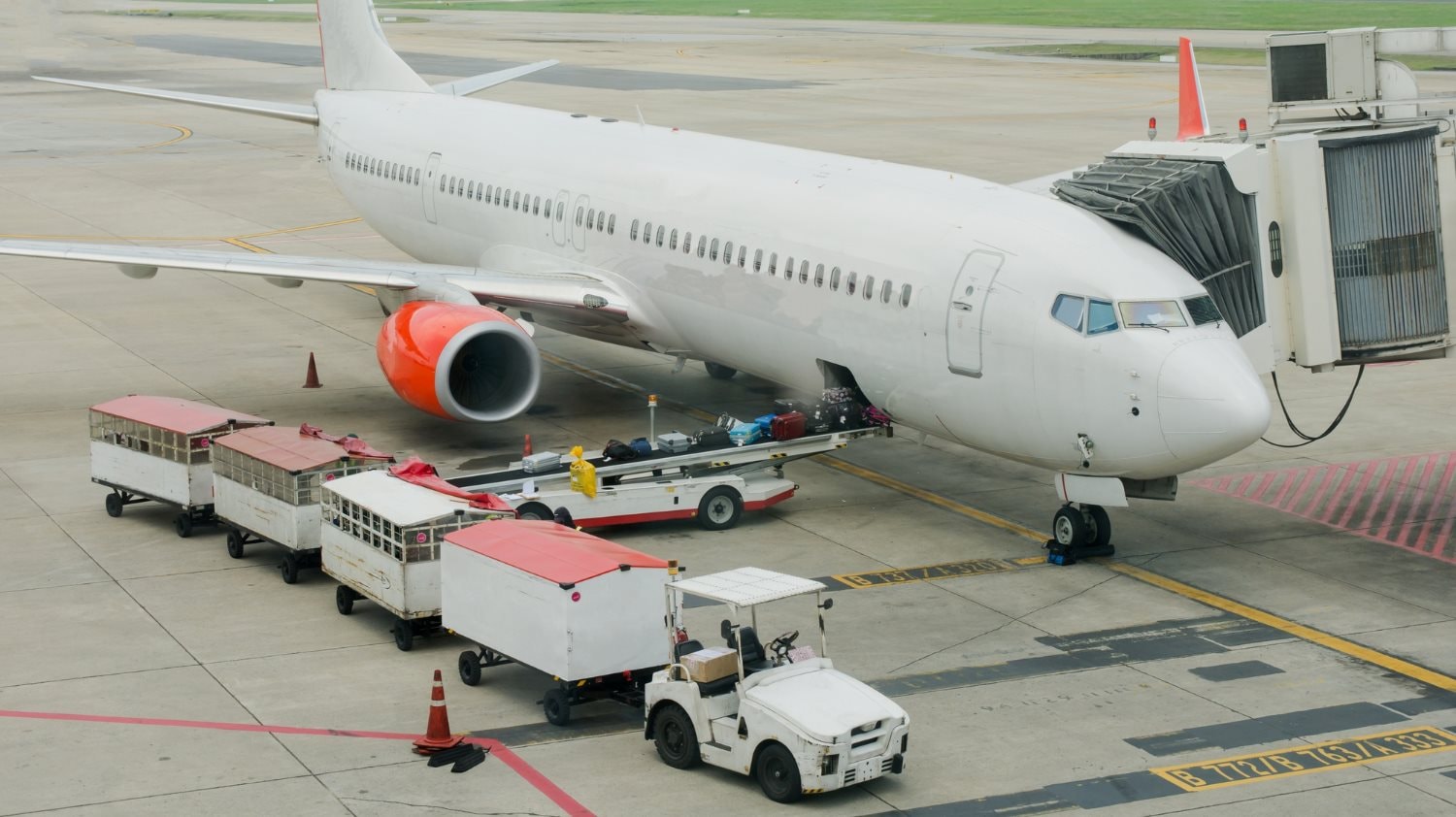
The goal of ICS2 is to allow EU customs authorities to monitor cargo flows and perform security risk analysis as early as the “pre-loading” stage, using a rich ENS dataset on shippers, consignees, cargo descriptions, HS codes, intended routing and more. All cargo entering or transiting the EU – including from Asia – must pass through this filter before being cleared to be loaded on the aircraft or to continue its journey.
In the United States, ACAS (Air Cargo Advance Screening) is a similar program run jointly by CBP and TSA. Officially mandatory since 2018, ACAS requires airlines and certain forwarders to submit a set of electronic data elements on each shipment to CBP before loading onto aircraft bound for the US. In 2024–2025, ACAS is being upgraded with new data elements such as shipper/consignee email and phone numbers, which must be filed electronically through CBP-approved systems “as early as possible, but at a minimum prior to loading.”
Seen from Asia, ICS2 and ACAS are prime examples of the broader “PLACI” trend (Pre-Loading/Pre-Arrival Advance Cargo Information): authorities no longer wait until cargo physically arrives at the border to inspect it, but instead require complete, accurate data from the very origin. On key export lanes to the EU and US, logistics companies in the region must treat compliance as a basic condition for staying in the supply chain.
When data quality becomes a matter of survival
What stands out is that ICS2 and ACAS are not just about “sending data,” but about sending data that is complete, accurate and structured. In their ICS2 guidance, FIATA and the Global Shippers Forum warn that shippers and forwarders must provide detailed, meaningful cargo descriptions and appropriate HS codes; vague labels like “general cargo” or “spare parts” are likely to be flagged as higher risk, triggering delays or holds.
ICS2 also encourages a “house-level filer” model: forwarders cannot simply leave house AWB data entirely in the hands of carriers, but should file directly to maintain control over information and reduce the risk of mismatches. Under ACAS, FIATA stresses that seemingly “small” data points - such as shipper/consignee email and phone number - have become mandatory elements. They must be entered correctly and consistently across systems to avoid repeated rejections or constant requests for correction.
On the digital infrastructure side, IATA has repeatedly emphasized that in order to comply with PLACI requirements like ICS2 and ACAS, the air-cargo industry must accelerate digitalization - e-AWB, e-freight and shared data platforms. This places forwarders in a dual role: both “data submitters” and “data quality controllers.” If internal processes, TMS/ERP systems and connections with customers, airlines and customs brokers are not designed properly, an error at any point can escalate into a security alert, a “Do Not Load” order or an unexpected cargo hold.
A chance to move up the value chain for Vietnamese and ASEAN forwarders
From a more positive perspective, this new “data security net” is also an opportunity for Vietnamese and ASEAN logistics firms to upgrade their position in the value chain. As ICS2 and ACAS force shippers to provide the right data complete and early - forwarders who can advise on standardized descriptions, HS code mapping, build checklists, train customers and offer automated data-integration solutions will stand out. They will no longer be seen as mere “bill-of-lading processors,” but as higher-value partners.
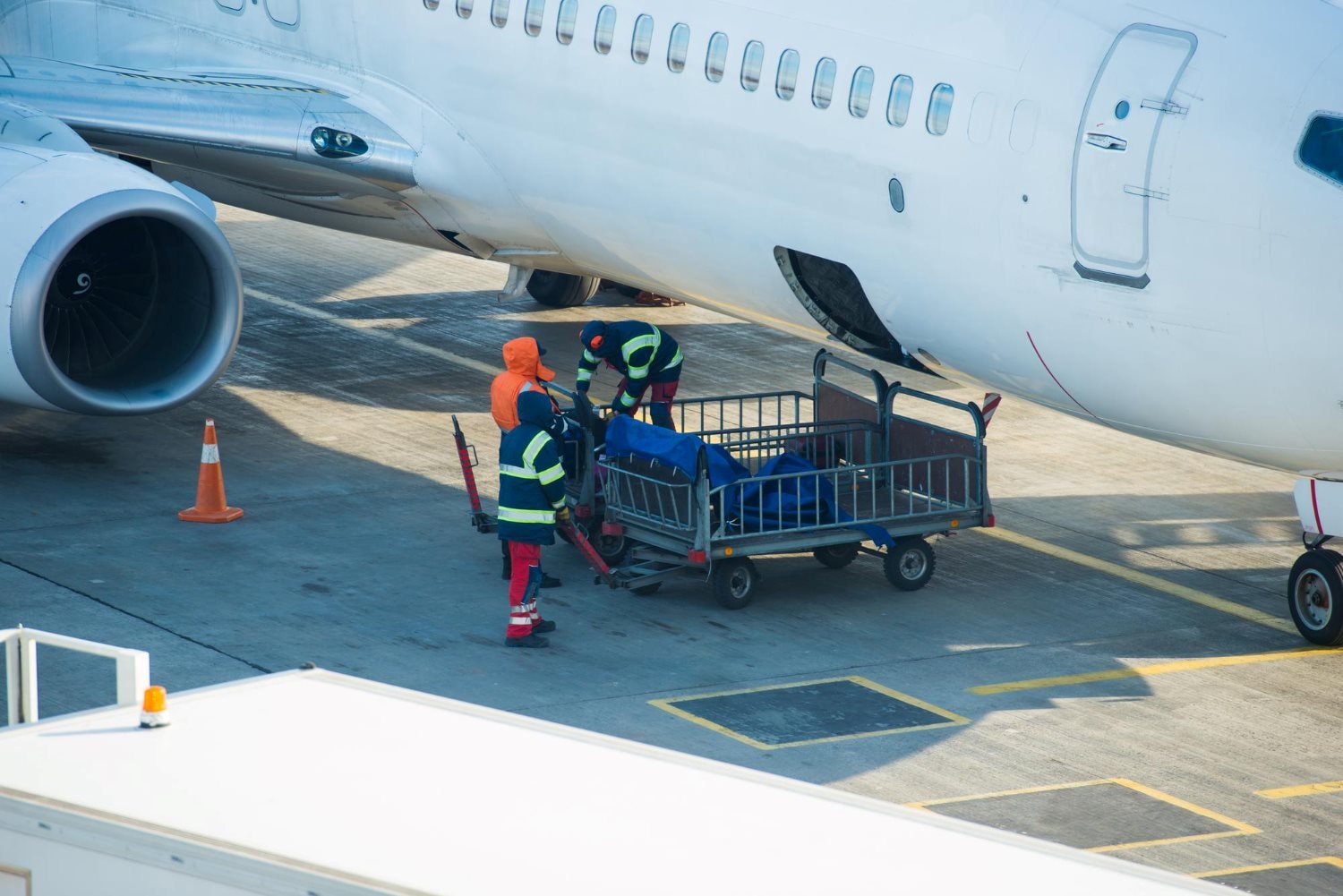
At the strategic level, several major forwarders in the region are already restructuring their systems to get ahead of ICS2/ACAS: investing in shipper portals for data capture, integrating directly with airline and customs systems, and building clean operational data lakes that can later support AI-based forecasting, pricing and routing. This marks a shift from the traditional forwarder model to that of a “logistics orchestrator” - an entity that organizes and coordinates both information and physical flows, rather than simply taking bookings.
For Vietnamese companies, compliance with ICS2 and ACAS is not just an “extra burden” but a ticket to higher-value customer segments in the EU and US. FDI shippers in electronics, textiles and pharmaceuticals often require their logistics partners to demonstrate adherence to international standards, with robust data systems and security procedures. If local firms leverage this wave of regulation to upgrade their own capabilities, they can gain deeper access to higher-yield trade lanes instead of remaining lower-tier agents for global giants.
ICS2 and ACAS are reshaping how the entire air-cargo supply chain operates, especially on Asia–Europe and Asia–US routes. From 2021 to 2025, the EU has steadily expanded ICS2 from postal to air cargo, then to ocean, road and rail; the US has upgraded ACAS with new data elements and tightened timelines for “pre-loading” data submission. As every air waybill becomes tied to a complete “data dossier,” companies that turn compliance into a core capability will enjoy a durable competitive edge.
The “new security net” woven by ICS2 and ACAS signals the end of an era in which air cargo was run largely on paper and experience. A new era is emerging in which every shipment must be “identified” by standardized data, transmitted instantly across multiple systems so that regulators can perform risk analysis before it ever reaches the aircraft. For Asian logistics firms - including those in Vietnam—the real question is no longer “do we comply or not,” but whether they merely meet the minimum, or instead turn these new requirements into a springboard for data standardization, service upgrades and a higher place in the global air-cargo value chain.
.png "TCIT Reaches 2 Million TEUs for the Third Time: The Momentum of Vietnam’s Leading Deep-Sea Port")

.jpg "Asia–Pacific Leads the Pack: A New Air Cargo Boom After the Pandemic")