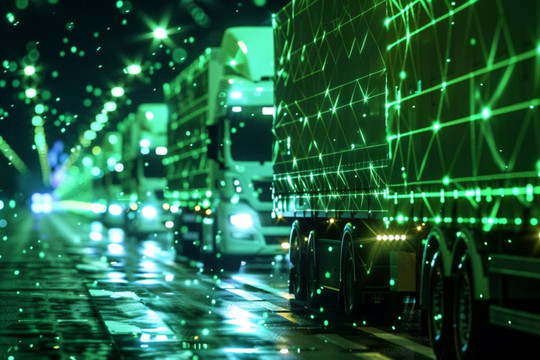

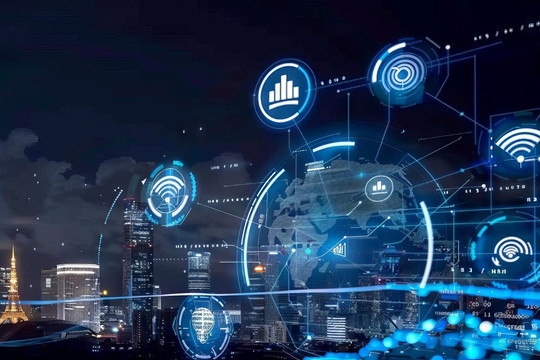
From refrigerated containers to vehicle fleets, sensors are helping logistics move from post-incident reaction to pre-incident prevention through real-time data.
Warehouse automation is not a beauty contest in technology; it is a question of payback, cargo-model fit, and the operational maturity of the enterprise.
A supply chain may have good warehouses, vehicles, and people, yet still fail if its core data is inaccurate, duplicated, or fragmented across departments.
Expressways are a necessary condition for modern logistics, but not a sufficient one if cargo consolidation centers, transfer points, and intelligent coordination are missing.
In border trade, a few hours of customs clearance can make a major difference to the entire value chain, especially for fresh goods, seasonal goods, and products promised for rapid delivery.
The term logistics center is being used too loosely, even though a true center must organize cargo flows, services, and data according to regional logic.
Risk in air cargo does not come only from prohibited goods or dangerous items, but also from flawed data, inaccurate declarations, and weak links in digitalized processes.
Fresh produce can only conquer premium markets if it first wins the race on time, temperature, post-harvest handling, and precise logistics coordination.
As electric vehicles, energy storage systems, and consumer electronics surge, lithium batteries are becoming a cargo category that is both highly valuable and highly sensitive in safety terms.
On April 29, 2026, at the Ho Chi Minh City Opera House, Saigontourist Group hosted the program “A 50-Year Journey Growing with the Nation” and the ceremony to receive the First-Class Labor Order for the second time - one of Vietnam’s high state honors recognizing the company’s outstanding contributions over half a century of development.
Digitalization in air cargo is no longer an isolated IT project; it is about shortening lead times, reducing errors, and improving multi-party coordination around the same shipment.
Consumers have grown used to fast delivery, but the new challenge is how to deliver quickly while remaining profitable, compliant, and capable of sustaining a cross-border customer experience.
With pharmaceuticals, even a small deviation in temperature or timing can turn an entire shipment into a risk; logistics therefore becomes part of treatment quality and market trust.
The AI, data, and semiconductor boom is not merely a technology story; behind it stands a highly sophisticated logistics system requiring exceptional security, speed, and precision.
A strong international cargo airport can transform the position of an entire industrial region by shortening time to market and attracting value chains with higher margins.
Any discussion of the blue economy that leaves out clean, smart, and connected maritime logistics is missing a pillar that decisively shapes value creation.
Green development is being discussed widely in planning and communications, but a green port only has commercial meaning when it is measured by data, performance, and tangible emissions reduction.