
Blockchain and Supply Chain Transparency
Blockchain functions as a distributed data recording system across multiple computers in a network. Each transaction is recorded as a “block” of data, cryptographically linked to the previous one, and cannot be altered without consensus from the entire network. In the supply chain, this means every step—from raw material sourcing to final delivery—is transparently and immutably recorded, helping reduce the risk of misinformation or fraud.
This level of transparency is particularly vital in industries with stringent traceability and compliance requirements, such as food, pharmaceuticals, fashion, and electronics. When information is clearly displayed in real-time, businesses can more easily control quality, strengthen consumer trust, and meet international auditing standards
Practical Applications: Product Tracking and Smart Contracts
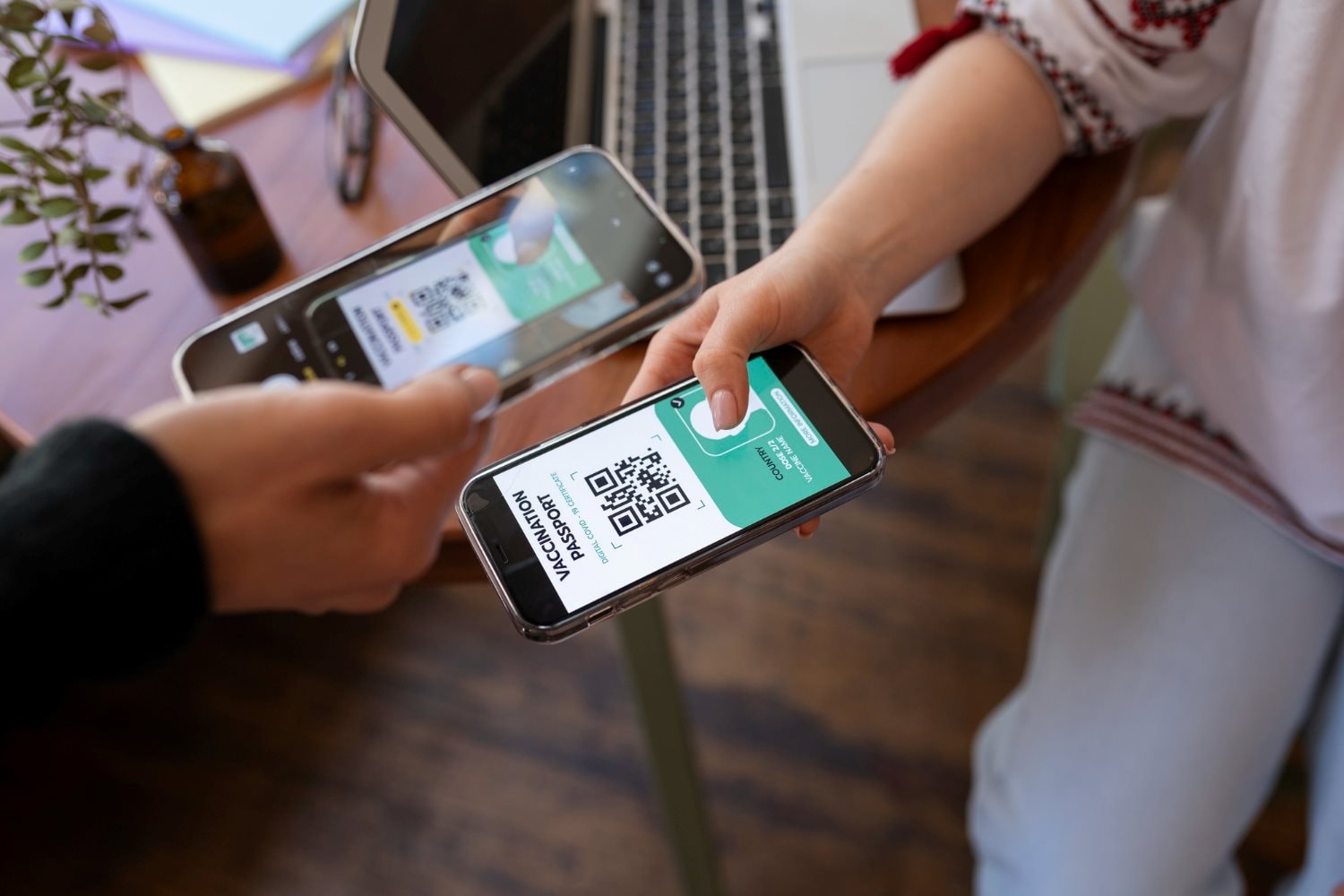
One of the most notable applications of blockchain is its ability to precisely track the journey of goods. Each product can be tagged with a QR code or RFID, linked to the blockchain system to record all milestones during production, transportation, and storage. This allows businesses and consumers to access detailed information about a product’s movement history, storage conditions, and origin—minimizing risks of fraud or counterfeiting.
Additionally, blockchain is used to implement smart contracts—automated transaction terms that execute when predefined conditions are met. For example, a payment can be automatically released when the system confirms that goods have arrived at the correct location and time. This eliminates intermediaries, reduces human error, and accelerates transaction processing in the supply chain.
Case Study: Bumble Bee Foods – From Ocean to Table
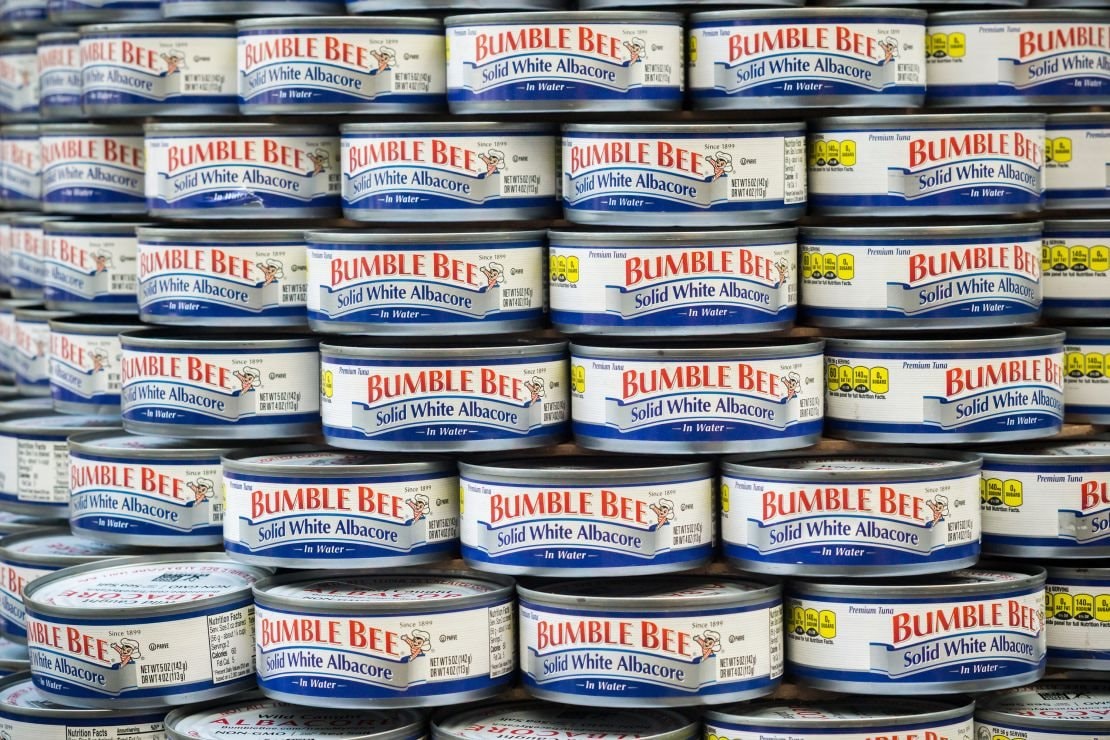
Bumble Bee Foods, one of the largest seafood brands in the U.S., has implemented blockchain for product traceability. Consumers can simply scan a QR code on the packaging to view the entire journey—from catch location and method to processing and delivery to supermarkets. Thanks to this high level of transparency, Bumble Bee has significantly boosted consumer trust and brand value, while reducing supply chain fraud risk.
Potential and Challenges of Implementation
Blockchain not only makes the supply chain more transparent and secure but also opens up the potential for full automation and standardization of operations. However, current barriers include high implementation costs, the need to overhaul technical infrastructure, and a lack of data standardization among stakeholders.
Moreover, data security and privacy remain significant concerns as transaction information is widely shared across the network. Addressing this requires collaboration between businesses, technology providers, and regulators to build a clear legal framework, design flexible systems, and ensure high security standards.

.jpg "Mrs. Tran Lam – Secretary General of Guangzhou Logistics Profession Association (GZLPA):
Vietnam–China Logistics Cooperation on the Rise")
.jpg "CT Group: A Model of Private Enterprise Innovation Aligned with Resolution 68")

.png "Ms. Dang Thi Huong Giang: \"Vision, Responsibility, and Humanity Are Our Guiding Principles\"")
.jpg "Dien Bien, Yunnan and Luang Prabang: Expanding Regional Cooperation and Investment Opportunities")