
A new leverage for a major export sector
The textile and leather–footwear industry currently accounts for 22% of Vietnam's total industrial workforce, contributing USD 72 billion in export turnover in 2024, and continues to grow at a rate of 10% annually. However, experts and participants at the seminar candidly acknowledged a major bottleneck in the value chain—heavy reliance on imported raw materials, low added value, and the lack of research and development centers that effectively connect design with production.
Vietnam now needs a strategic “push”: substantial investment in supporting industries, domestic creativity, and a sustainable cooperation framework among stakeholders.
A long-term breakthrough
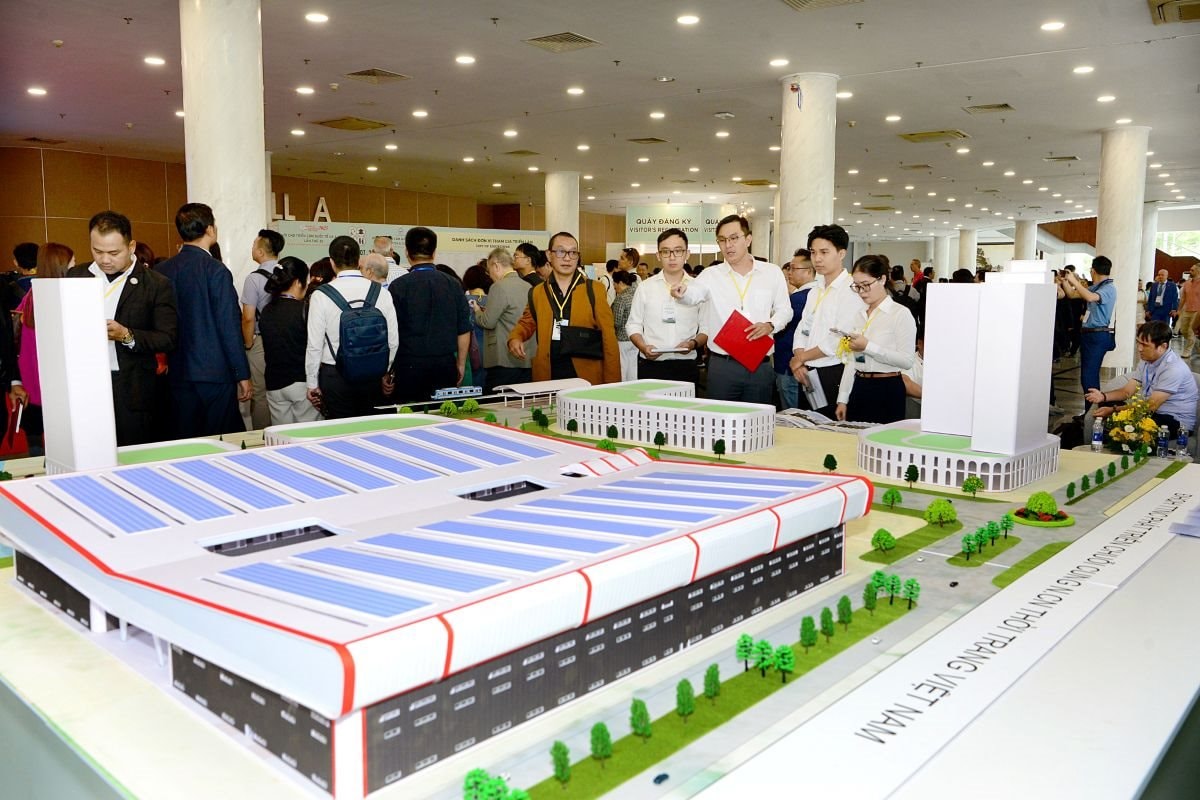
Planned to be located in Ho Chi Minh City on an area of over 40 hectares, this center is considered a national key project. With seven core functions—including supply chain connection, workforce training, innovation research, and international trade promotion—the center is expected to become a new launchpad for Vietnam’s fashion industry from 2026 to 2030, with a long-term vision toward 2035.
This center is not just a cradle for technology, design, and domestic materials—it is a strategic “nerve line” linking creativity, production, and market, helping Vietnam move closer to the role of a high-value global supplier.
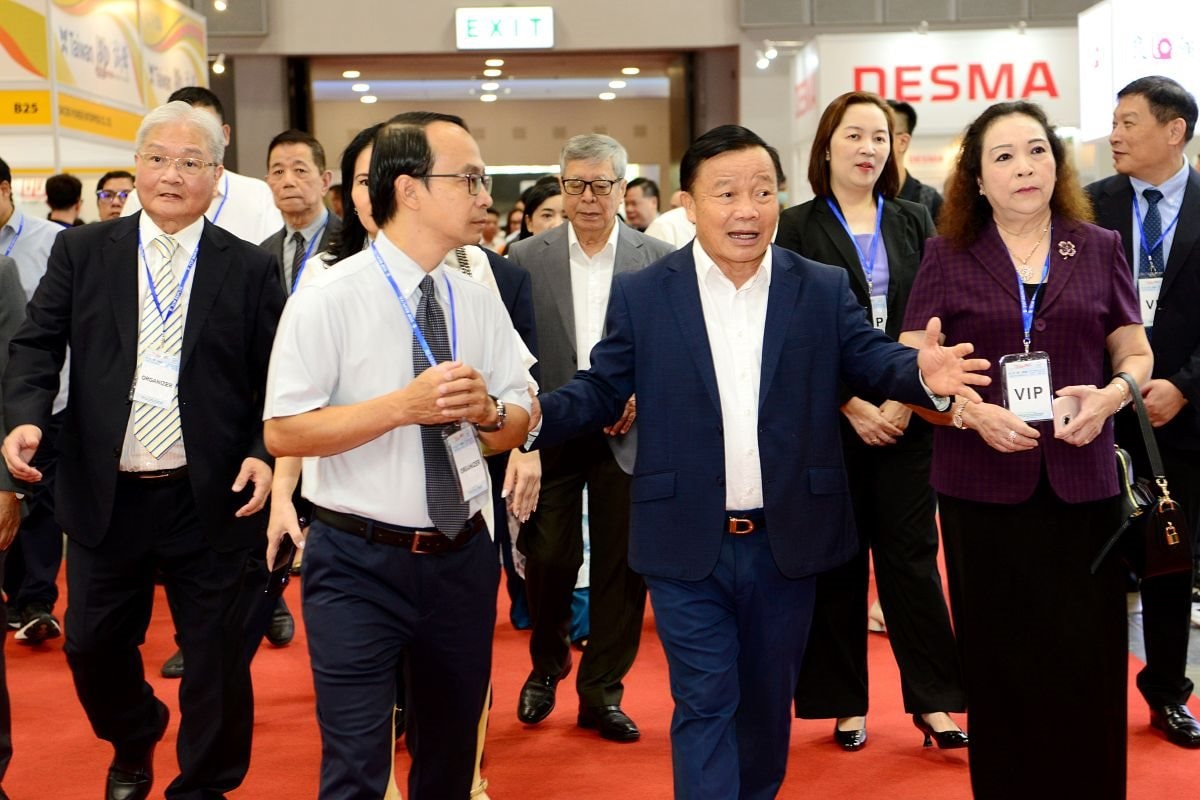
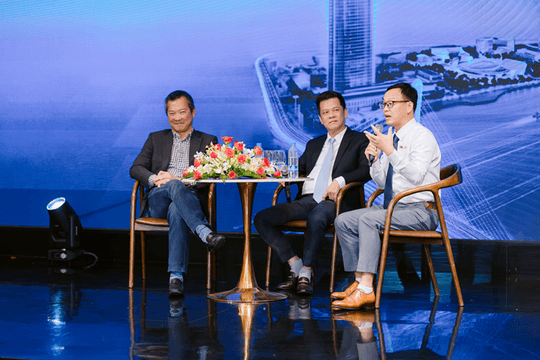
The seminar also recorded many practical proposals from domestic and international business representatives, recommending a sustainable development model based on three pillars: localization of materials, digital transformation of production processes, and international cooperation in design and creativity training.
A new development mindset: From outsourcing to creative autonomy
During the seminar, representatives of ministries, LEFASO, and VITAS emphasized that Vietnam’s fashion industry can no longer rely on the low-cost outsourcing model. In an increasingly fierce global competition, the true differentiator lies in mastering the supply chain—where design ideas originate from cultural identity but also meet green standards, high technology, and transparent traceability.
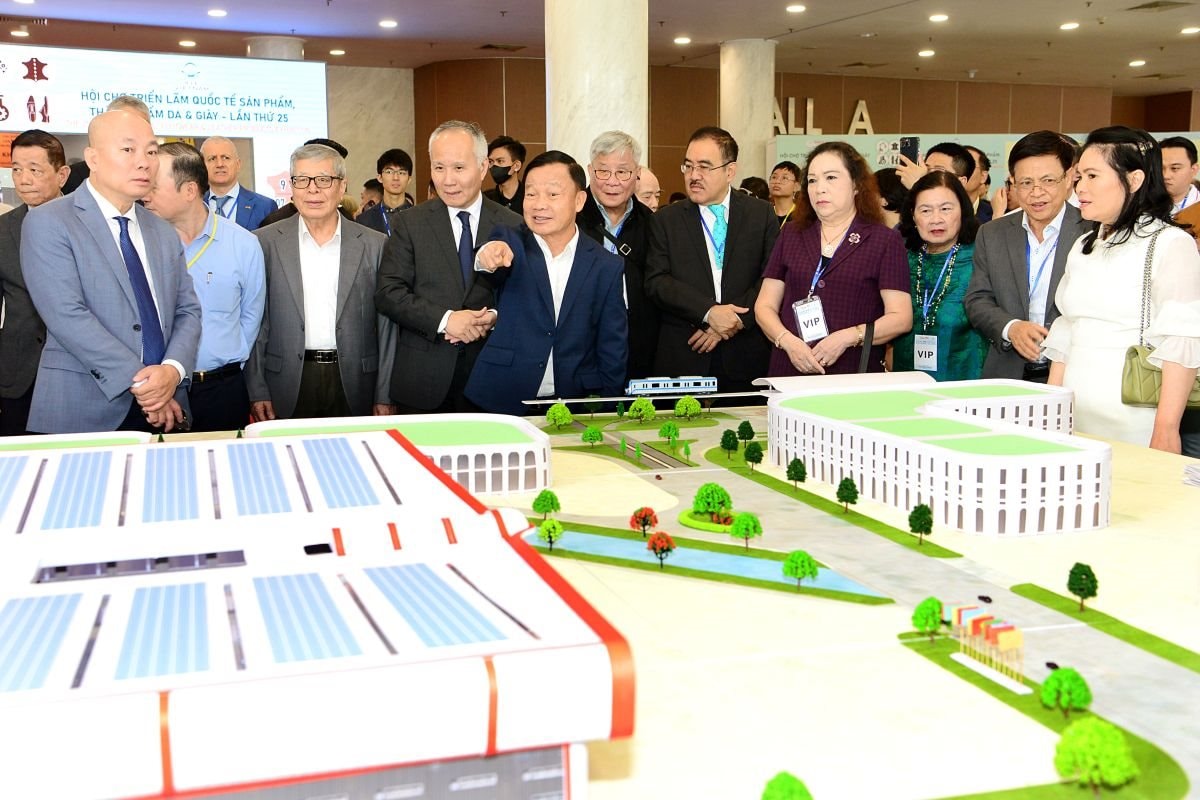
Fashion creativity is no longer the privilege of art—it has become a core competitive capability. To reach the top of the regional ladder, Vietnam must own the idea, the materials, and the market" - said Mr. Nguyen Duc Thuan, Chairman of LEFASO.
The “Supporting Industry Development” seminar affirms that for Vietnam’s fashion industry not only to manufacture for the world but also to shape global trends, we must start from the foundation—a strong domestic supply chain, sustainable innovation, and coordinated policy from the state to enterprises.
.jpg "The Distinct Beauty Of Leather: Where Art Meets Industry")


.jpg "Trade Agreement Between the U.S. and Vietnam: Challenges or Opportunities for Vietnam’s Economy?")
.jpg "Trade War: How Will Vietnam’s Supply Chain Be Affected?")
.jpg "Can Vietnam Mitigate the Impact of the Trade War?")


.png "Dien Bien builds investment value chains to power its next growth chapter")

.jpg "Dien Bien, Yunnan and Luang Prabang: Expanding Regional Cooperation and Investment Opportunities")