
.jpg)
.jpg)
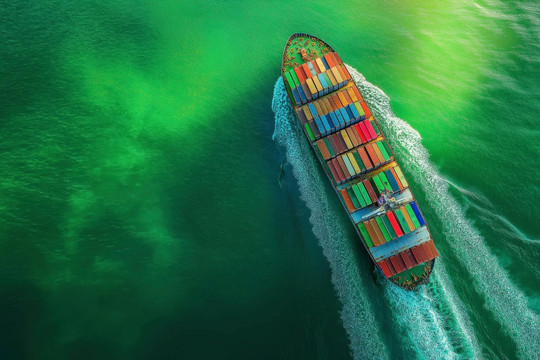
Amid long voyages across the vast oceans, where medical support is hundreds of nautical miles away, the role of ship officers acting as “reluctant doctors” becomes crucial to survival.
.jpg)
.jpg)
Medicine… Adrift on the Waves
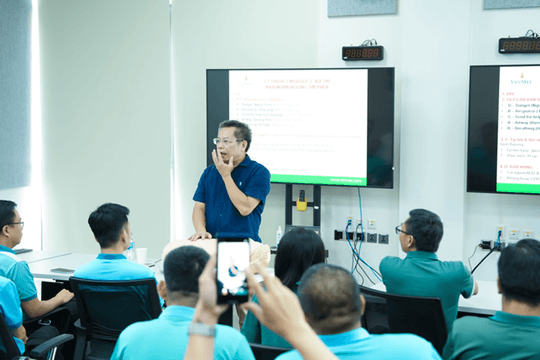
On long-haul vessels, every emergency is a race against time, isolation, and limited equipment. Maritime officers—whether in deck, engine, or technical roles—must be trained in basic first aid and the use of essential medical supplies according to international STCW standards. They handle everything from deep cuts caused by work accidents, appendicitis, unexplained high fevers, to psychological trauma following violent storms.
.jpg)
.jpg)
Under Pressure, Guided by Resolve
There’s no “911” to call, no medical assistant on hand. When a medical incident arises at sea, it is the ship’s officers who must make the call, diagnose, and act. In critical cases, they may contact doctors onshore for remote consultation, but most of the time, they must act immediately—guided only by medical manuals, clinical judgment, and nerves of steel.

The greatest pressure doesn’t come from medical procedures, but from the weight of responsibility. A wrong decision can cost a life. Therefore, every maritime officer must learn to remain absolutely calm—in high waves, amid fears of contagion, or when facing a crewmate’s cries of pain—to act with the composure of a true caregiver.
Healing More Than Wounds
.jpg)
.jpg)
Seafarers often work and live together for up to six months without disembarking. In such confined environments with rotating work shifts, one sleepless person can affect an entire crew’s performance, while a mild depressive episode can spread negative energy throughout the team. Thus, officers take on the role of “emotional managers”—maintaining unity, fostering positivity, and soothing silent fatigue.
.jpg)
.jpg)
As the global maritime industry evolves—with a growing fleet, multinational crews, and increasingly long voyages—the need for comprehensive onboard medical care is becoming urgent. Without clear policies, these “ship doctors” will continue to serve in silence, unrecognized and unprotected.
And thus, a serious gap is forming in the operational ecosystem of maritime logistics—where the human factor risks being forgotten amid technology and data.
They are not formally trained physicians, but they are the ones who keep life’s pulse beating at sea. On every extended voyage, where every emergency must be managed with the bare minimum, the “ship doctor” embodies courage, responsibility, and camaraderie.
It’s time the maritime industry reexamines this vital role—not just to provide proper training, but to honor, support, and protect them. For amid the open sea, sometimes, just one steadfast individual is all it takes to save an entire vessel.

.jpg "Pirates Return: The Maritime Security Threat in the Singapore Strait and the Shadow of a New Somalia")

.jpg "Red Sea in Turmoil: Alternative Routes and the Global Supply Chain Revolution")
.jpg "From Cai Mep – Thi Vai Port to the Logistics Artery of the Super City Ho Chi Minh City")


.png "Dien Bien builds investment value chains to power its next growth chapter")

.jpg "Dien Bien, Yunnan and Luang Prabang: Expanding Regional Cooperation and Investment Opportunities")