
A growing number of “co-opetition” models—where companies both compete and cooperate—are emerging, demonstrating that when resources are shared, both sides can win. Co-opetition is no longer a short-term workaround, but is evolving into a long-term strategy in global supply chain management.
What is Co-opetition and Why Do Companies Embrace It?
The term co-opetition (cooperative competition) describes a relationship in which companies in the same industry or value chain simultaneously collaborate and compete. Instead of competing across all fronts, parties choose to cooperate at specific stages of the supply chain—where they can jointly reduce costs, optimize resources, or meet regulatory requirements—without compromising their core competitive advantages.
The growing adoption of co-opetition stems from the increasing costs of independently developing logistics infrastructure, and the pressing need to optimize operational expenditures. In addition, compliance with ESG standards, origin traceability, and supply chain digitalization often require resources beyond the reach of any single company.
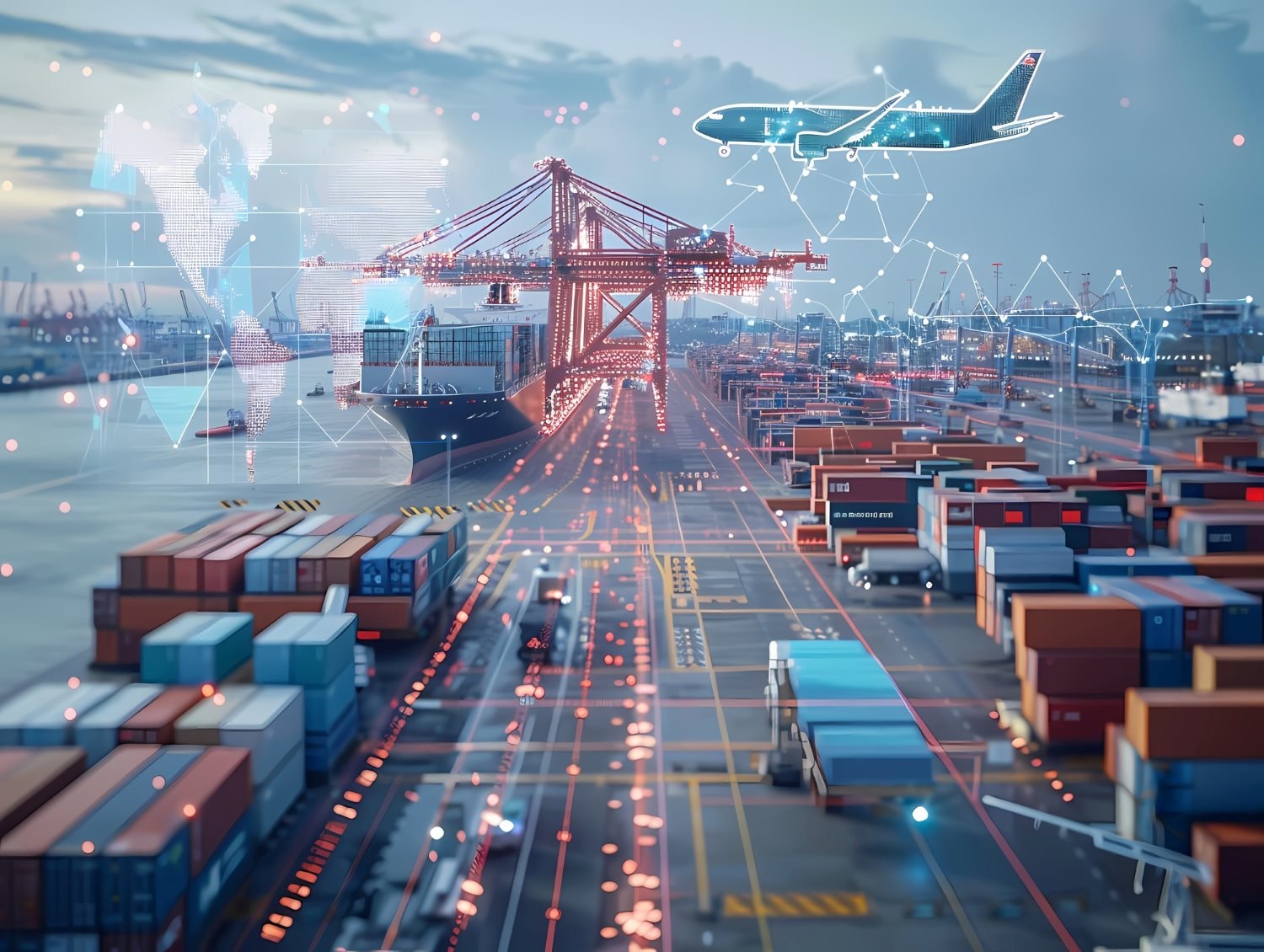
Instead of each firm separately investing in warehousing, transportation fleets, or proprietary blockchain solutions, collaboration to build shared systems helps save costs, improve asset utilization, and reduce emissions.
Forms of Collaboration: Joint Procurement, Shared Transport, Shared Warehousing
Popular collaborative models include joint purchasing of raw materials to negotiate better prices from suppliers, co-loading for shared freight transportation, or co-warehousing in key market regions.
In Europe, rival retailers like Carrefour and Tesco have partnered to build shared cold storage facilities to cut energy costs. In the U.S., Walmart has collaborated with Target in certain states to optimize internal delivery routes. In Vietnam, some companies in seafood, furniture, and textile sectors have implemented shared storage and export container models to shorten delivery times and reduce logistics expenses.
Modern logistics tech platforms also support co-opetition through shared warehouse marketplaces, enabling businesses to rent, lease, or link up storage space based on actual demand—rather than making long-term fixed investments.

Formal and relational governance are critical mechanisms” – According to Wikipedia and arxiv.org, the success of supply chain collaboration relies on a balance between strict legal frameworks (formal governance) and trust-based, frequent communication between parties (relational governance).
Risks and Legal Regulations
Despite the clear benefits, collaboration between competitors carries risks—especially regarding data access, profit sharing, and violations of competition laws. If not properly managed, such cooperation can devolve into market manipulation or abuse of dominant positions.
To mitigate these risks, businesses must establish transparent processes, with clear contracts outlining the scope of cooperation, responsibilities, and data access limitations. Internal auditing systems should be implemented, along with strict compliance with national and international competition regulations.
Another key factor is trust—something that cannot be built overnight, but requires time, consistency, and an effective communication foundation. Successful alliances are those where benefits are distributed fairly, and all parties feel “seen, heard, and engaged” in the decision-making process.

In a global supply chain landscape marked by rising costs, geopolitical uncertainty, and increasing ESG transparency demands, co-opetition is no longer a novel concept—it is becoming a new competitive strategy. Rather than viewing competitors as roadblocks, businesses should begin seeing them as strategic partners in areas of overlapping interest.
We believe that Vietnamese companies—especially those in export sectors—should proactively develop win-win co-opetition models, not only to cut costs but also to build strong network advantages. Those who know how to “go far together” will be the ones who remain resilient and lead in the ever-shifting global value chain.

.jpg "Multimodal Logistics Infrastructure: Foundation for the Development of the New Ho Chi Minh City Megacity")
.jpg "“Ship Doctors” – The Silent Guardians of Life at Sea")
.jpg "Pirates Return: The Maritime Security Threat in the Singapore Strait and the Shadow of a New Somalia")