
.png)
.png)
Amid the reconfiguration of global supply chains, Vietnam’s seaport system has entered a new race. A clear polarization is emerging: those who master the logistics ecosystem are rising, while those who rely on domestic cargo flows and outdated models are gradually falling behind. This is not just a game of volume—it’s a race of vision and integration capability.
Private Capital Drives Ecosystem Momentum
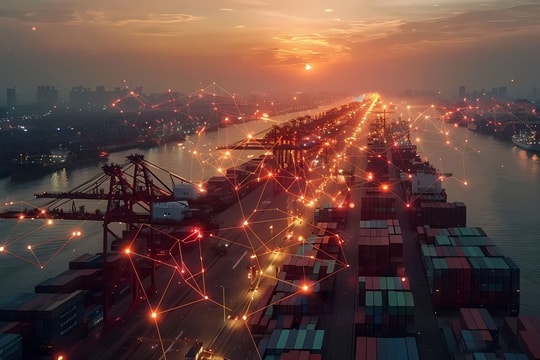
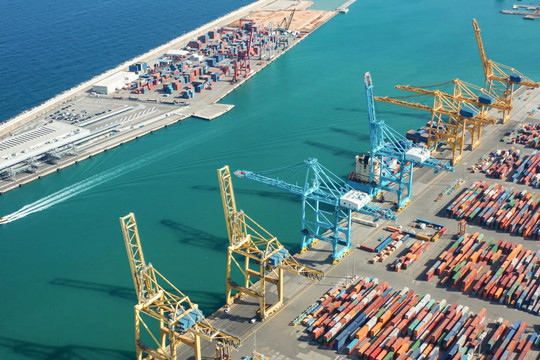
Names like Gemadept, Nam Hai Dinh Vu, and SP-SSA exemplify a new trend: ports are no longer just docking places—they are becoming critical links in a closed-loop logistics chain. By simultaneously owning ports, warehouses, trucking fleets, and cargo-tracking technology platforms, these companies are creating a competitive edge. Business results from the first half of 2025 show impressive growth—some report net profit margins above 30%, despite unstable freight rates and export markets.
.png)
.png)
The Output Rut and the Cost of Dependence
In contrast to the dynamic picture of service-integrated ports, many small ports serving mainly domestic customers are facing difficulties. Quy Nhon Port and Hai Phong Port in the Dinh Vu area are showing clear signs of lagging: slower volume growth, revenues not keeping up with investment costs, and particularly low international cargo attraction.
A core reason is their reliance on “single-line output”—depending on a few types of cargo or fixed customers. When one source withdraws, the port is immediately destabilized. Surrounding logistics infrastructure is underinvested, poorly connected to major industrial zones, and road and rail systems fail to meet demand, significantly reducing their appeal.
Worse still, a lack of technology in cargo management and fragmented data reporting make many logistics firms hesitant to commit to long-term partnerships. This is a wake-up call for local ports: investing in berths alone is not enough without a modern operations strategy and a value-chain vision.
International Joint Ventures: A Boost for Long-Term Thinking
.png)
.png)
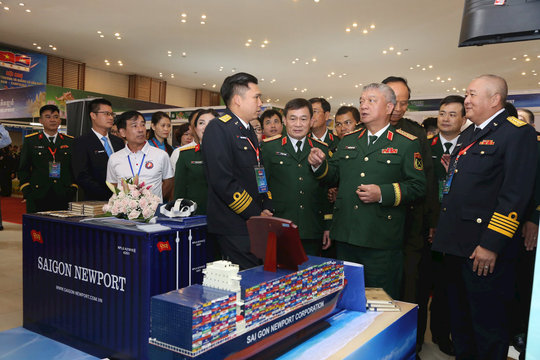
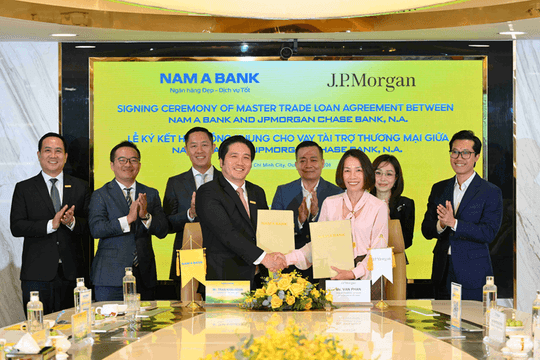
At CMIT (Cai Mep), the presence of foreign partners not only attracts international mother vessels but also enhances operational management. In Quang Ninh, a deep-sea port linked with a Japanese group has shown positive outcomes, from shorter docking times to optimized loading productivity. These are clear examples of how international integration not only expands market share but also strengthens internal capabilities—critical for surviving in the fiercely competitive global supply chain.
Preparing for the 2026 Game
2026 will be a pivotal year—as new trade agreements take effect and technologies for ship operation and cargo management continue evolving rapidly. For Vietnamese ports to break through, they must focus on three directions: genuine digital transformation, developing a skilled logistics workforce, and forming integrated service chains.
.png)
.png)
Technology is the first lever: from smart port management systems and real-time container coordination software to automated container yards. Though these investments are significant, they deliver long-term gains in productivity and service transparency.
Next is human capital: logistics personnel at ports need more than physical stamina—they require data management knowledge, language skills, and cross-border problem-solving capabilities. Lastly, integrated services—creating a “one-stop destination” for customers—are key to building sustainable competitive depth.
.png)
.png)
Vietnam’s seaport market is undergoing a profound reshaping—where polarization is no longer a forecast but clearly evident in financial reports, operational models, and strategic decisions. In this context, companies willing to change, invest methodically, and embrace open connectivity will have the opportunity to rise.



.jpg "Growth Triangle for a Shaping Megacity")