
No duty - but keep financial and contractual discipline
In the first week, recalibrate landed cost by SKU and lane to reflect CVD removal and lower compliance overhead. In parallel, refresh flexible pricing clauses tied to freight indices, as schedules remain volatile. With U.S. partners, set ceiling-and-floor prices for one to two quarters to protect margins, with review triggers for major changes in reefer transport or warehousing costs.
Transport and insurance: standardize weather-risk checklists and delay clauses
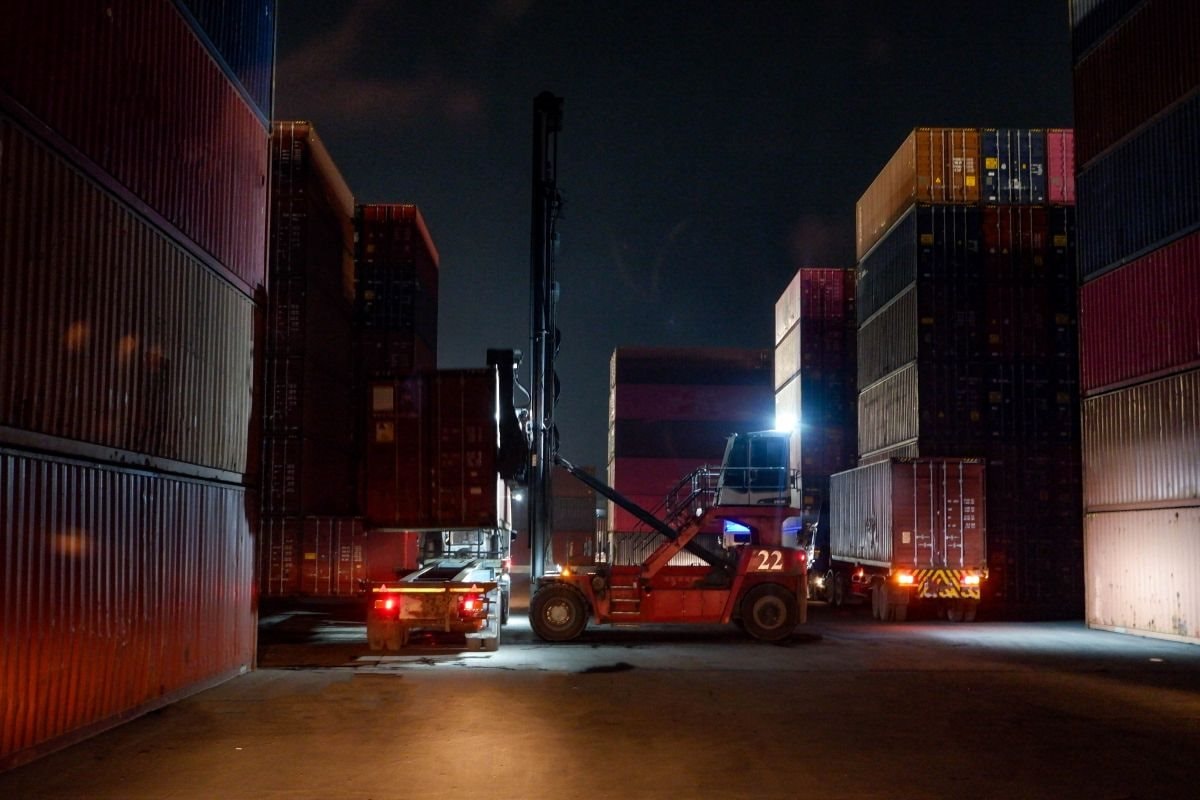
CVD removal does not erase logistics risk: seasonal port congestion, extreme weather, and reefer container shortages still occur. Update war, strike, and weather clauses in transport and insurance contracts, and build a document checklist for sudden re-routing or re-vesseling to minimize disputes over demurrage, storage, and shrink. Each quarter, rate carriers and forwarders by KPIs such as on-time performance, reefer container shortfall, and claim ratios.

Market and marketing: from “no CVD” to a value proposition
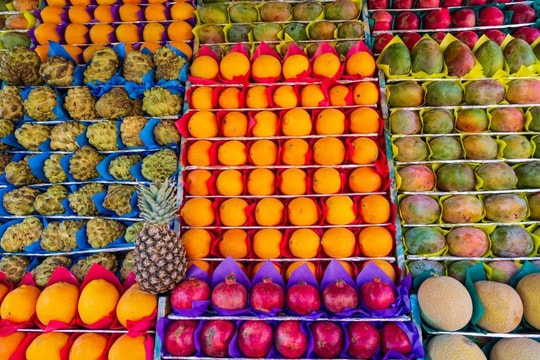
The message should go beyond “CVD removed.” Tell a value story: farm origin and traceability, post-harvest processes, safety certifications, and cold-chain commitments. Prepare an evidence pack for large lots: COA, container temperature logs, residue test results, and GAP/Organic certificates where applicable. In tandem, pilot mini planograms for tropical-fruit bays at retail chains labeled “Vietnam tropical fruits - competitive price after CVD removal” to reposition the category with shoppers.
Q1: Review COGS and selling prices; lock flexible contracts. Q2: expand processed SKUs such as juices and fresh-cut; book additional reefer slots. Q3: raise East Coast retail coverage; test online and quick-commerce channels. Q4: close the year’s KPI review and negotiate next-year targets around the holiday peak. File a claim-and-defect report each quarter to curb return risks.
Portfolio management: favor fast-turn items and higher-value processed goods
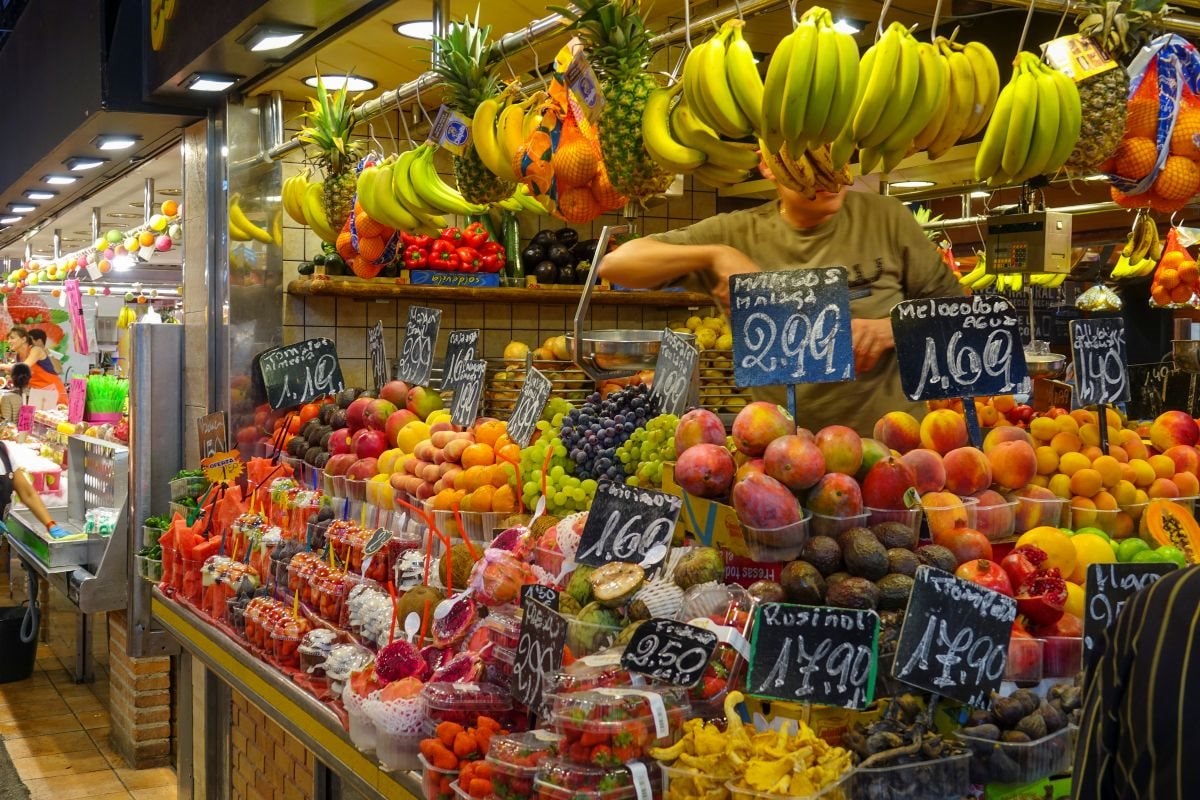
In year one, segment as Group A (fast-turn: bananas, pineapples, mangoes, dragon fruit), Group B (under negotiation or newly permitted: pomelo, passion fruit, coconut), and Group C (processed: juices, purées, dried). Group A captures shelf space quickly; Group B leverages policy momentum to test; Group C builds margin and reduces spoilage risk. Aim to increase Group C’s share to smooth seasonality.
CVD relief is a powerful policy signal that can speed Vietnam’s climb in the U.S. market; the longer-term win lies in disciplined execution: flexible pricing and contracts, airtight insurance and documentation, a proof-based brand story, and smart portfolio rotation. If exporters keep the cadence right, the 2026 produce growth target is within reach, with the U.S. as a key engine thanks to its purchasing power and growing appetite for tropical fruit.
.jpg "Is the Red Sea About to “Reopen”: How a Return to Suez Could Reshape the Market?")
.png "U&I Logistics: Inland Waterways for Agricultural Cargo - Low Cost, High Quality, and Green")
.jpg "Zero-Emission Trucks + AI: a practical road for road freight")

.jpg "Dien Bien, Yunnan and Luang Prabang: Expanding Regional Cooperation and Investment Opportunities")